

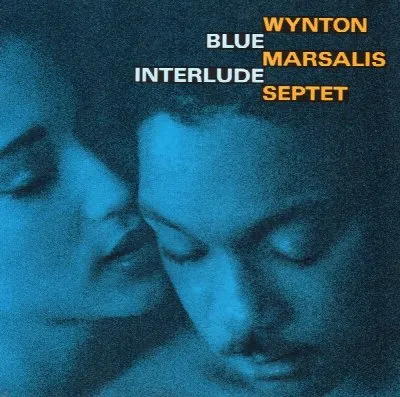
Blue Interlude
Wynton Marsalis · 1992
71 min · 6 tracks · blues
A sweeping exploration of jazz and blues that intertwines storytelling with improvisational brilliance.
Top tracks — play these first
-
→
Brother Veal Start here — accessible entry with immediate hook
-
→
Blue Interlude (The Bittersweet Saga of Sugar Cane and Sweetie Pie) — This extended piece serves as the album's centerpiece, weaving together thematic elements of love and loss through intricate musical dialogues, highlighting Marsalis's mastery of both composition and improvisation.
-
→
Sometimes It Goes Like That — With its reflective tone, this track captures the emotional nuances present throughout the album, showcasing Marsalis's ability to convey complex feelings through melody and rhythm.
-
→
Monologue for Sugar Cane and Sweetie Pie — This track stands out for its spoken-word component, blending narrative with music to create a poignant commentary on relationships, exemplifying Marsalis's innovative fusion of genres.
Elevation
Our rating, out of 100 — and why.
AI-generated from five scored dimensions. An opinion, not a measurement.
The album showcases strong compositional elements and cohesive flow, highlighted by its ambitious title track.
What we noticed
- The title track, 'Blue Interlude', is a 37-minute piece that combines narrative elements with extended improvisation, creating a fluid structure.
- Each track transitions smoothly into the next, maintaining a cohesive flow despite varying tempos and moods.
- Composition 25% of the score
-
8/10
- Craft 20% of the score
-
7/10
- Durability 25% of the score
-
6/10
- Distinctiveness 18% of the score
-
7/10
- Sequencing 12% of the score
-
8/10
the writing — melody, harmony, structure, lyrics
production, performance, arrangement
whether it rewards returning to it
whether it sounds like itself
running order, pacing, length
Known within its scene. Reported but not counted — how far a record travelled describes its reception rather than the record, and a newer release has had less time to travel than an older one.
Is this for you?
Good fit if you like
- extended centerpiece for deep listening
- narrative-driven emotional exploration
- rich instrumental storytelling experience
- cathartic moments of improvisation
Maybe skip if you
- seeking quick, catchy tunes
- prefer short, standalone tracks
Where this album fits
- In the catalog
- Experimental — Ambitious format and extended tracks reflect a departure from traditional jazz structures.
- Themes
- bittersweet love stories· New Orleans jazz heritage· emotive improvisation
- Career context
- In 1992, Wynton Marsalis was already an established figure in jazz, known for his virtuosic trumpet playing. This album followed his critically acclaimed works like 'The Majesty of the Blues' and showcased his ability to blend narrative elements with musical expression. At this point in his career, Marsalis was also becoming increasingly prominent in advocating for jazz as a significant cultural art form.
- Stylistic neighbors
- Branford Marsalis· Chris Botti· Roy Hargrove
Moments worth listening for
Where the writing does something specific.
-
Monologue for Sugar Cane and Sweetie Pie
The narrator shifts from personal reflections to a broader societal commentary, addressing themes of love intertwined with cultural identity.
This shift adds depth by moving beyond individual experience to encompass communal narratives, enriching the listener’s engagement with both personal and collective histories.
Tracklist
- 1 Brother Veal Start here 3:23
- 2 Monologue for Sugar Cane and Sweetie Pie 5:55
- 3 Blue Interlude (The Bittersweet Saga of Sugar Cane and Sweetie Pie) 37:14
- 4 And the Band Played On 5:22
- 5 The Jubilee Suite: Day to Day / Running and Rambling / Grace 12:20
- 6 Sometimes It Goes Like That 7:11
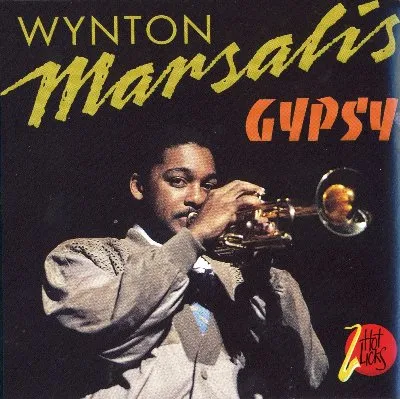

If this landed
Records by other artists that run on the same instinct.
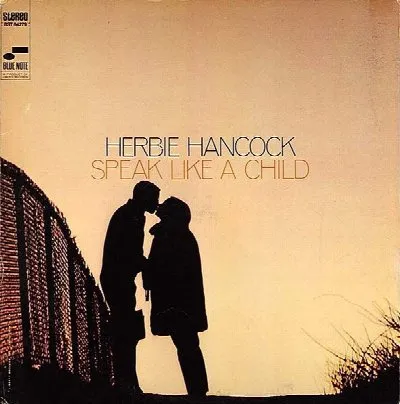
Speak Like a Child
Herbie Hancock
Explores rich harmonic textures and emotional depth, blending jazz with blues influences.
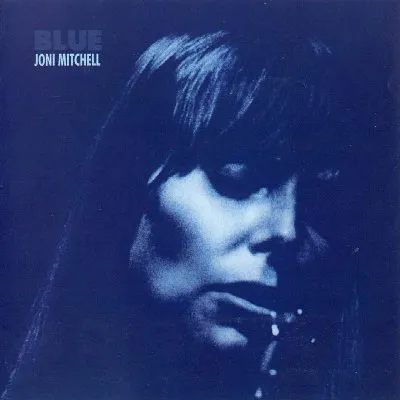
Blue
Joni Mitchell
Shares intimate storytelling and emotional resonance, intertwined with a jazz-influenced sound.
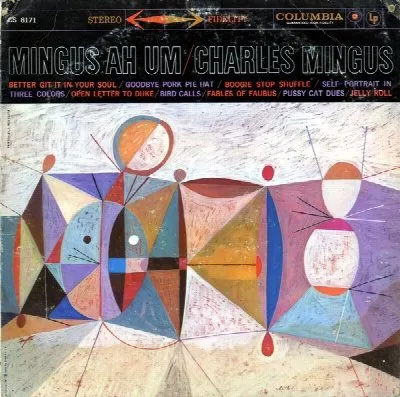
Mingus Ah Um
Charles Mingus
Combines narrative-driven compositions with deep blues roots and complex improvisation.
Reference: Wikipedia · MusicBrainz · Wikidata
Sync your library
Everything you track here works immediately — no account needed. Create one when you want to sync across devices.