

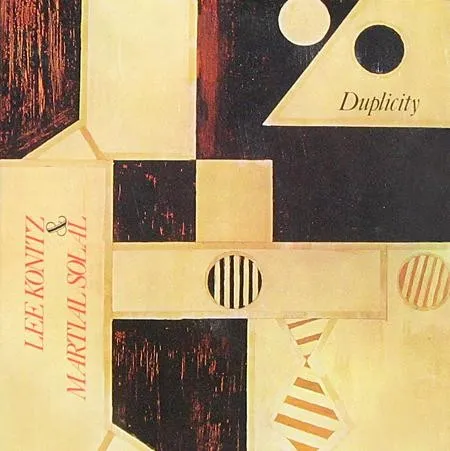
Duplicity
1978 72 min 7 tracks jazz
Elevation 77 /100 AlpineLee Konitz’s cool alto saxophone meets Martial Solal’s quicksilver piano in a duet that keeps changing direction.
Is this for you?
Good fit if you like
- gradual build to emotional climax
- immersive melodic improvisation experience
- thoughtful exploration of intricate harmonies
- for deep listening sessions
Maybe skip if you
- prefer short, standalone tracks
- seek immediate energy bursts
Recommended tracks
Top tracks — play these first
-
Duplicity Start here — The title track introduces the album’s central relationship: alto and piano responding to each other without a rhythm section to fill the spaces.
-
Words Have Changed — At nearly 19 minutes, this extended performance gives the duo room to develop ideas beyond the scale of the shorter pieces.
-
Blues Sketch — Its blues framework offers a useful way into the pair’s dialogue, grounding their interplay in a familiar jazz form.
-
Rhythm Sweet — The album’s longest track gives Konitz and Solal a broad canvas for their rhythmic conversation.
Elevation
Our rating, out of 100 — and why.
AI-generated from five scored dimensions. An opinion, not a measurement. How Elevation works
InstrumentalThe album showcases intricate improvisation and strong collaborative dynamics, marking a notable entry in jazz literature.
What we noticed
- The first track features a complex interplay between Konitz's saxophone and Solal's piano, with each musician responding to the other's phrases.
- Several tracks, such as 'Blues Sketch', employ a call-and-response structure that highlights the improvisational dialogue between the instruments.
- The album maintains a consistent mid-tempo feel, with only slight variations in pace across its seven tracks.
- Composition 25% of the score
-
7/10
- Craft 20% of the score
-
8/10
- Durability 25% of the score
-
6/10
- Distinctiveness 18% of the score
-
8/10
- Sequencing 12% of the score
-
7/10
the writing — melody, harmony, structure, lyrics
production, performance, arrangement
whether it rewards returning to it
whether it sounds like itself
running order, pacing, length
The score is the weighted average of these five, then scaled to spread the range — the scaling never changes which of two albums scores higher.
Known within its scene. Reported but not counted — how far a record travelled describes its reception rather than the record, and a newer release has had less time to travel than an older one.
Tracklist
Disc 1
- 1 Duplicity Start here 6:58
- 2 Roman Walkings 5:28
- 3 Esselle 4:25
- 4 Words Have Changed (recommended) 18:55
Disc 2
- 1 November Talk 6:35
- 2 Blues Sketch (recommended) 11:20
- 3 Rhythm Sweet (recommended) 19:06
Where this album fits
- In the catalog
- Critical Peak — Recognized for its sophisticated interplay, marking an artistic high point in Konitz's career.
- Themes
- French jazz collaboration· improvisational dialogue· melodic complexity
- Career context
- Released in 1978, Duplicity found Lee Konitz well into a career that had taken him from Lennie Tristano’s circle to Miles Davis’s Birth of the Cool sessions. Here he shared the record with French pianist Martial Solal, using the exposed duo format to make their exchanges the center of attention.
- Stylistic neighbors
- Warne Marsh· Paul Desmond· Lennie Tristano
Keep listening
What to play next
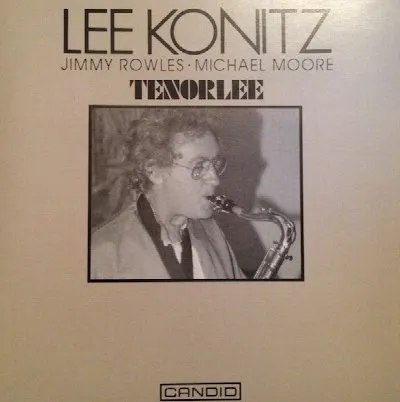
Tenorlee
1996
Continues the improvisational dialogue with a fresh perspective on saxophone textures.

Timespan
1977
Sets the stage with intricate melodies and harmonies that Duplicity builds upon.
Own the record
Some of these are affiliate links: a purchase may earn Northsound a small commission, at no cost to you. It never decides what we recommend or how we score.
Sources
The Weekly Dispatch
One record worth your time, every week — picked the way this page is.
One short email. Free, unsubscribe anytime. Read this week's.
Sync your library
Everything you track here works immediately — no account needed. Create one when you want to sync across devices.