

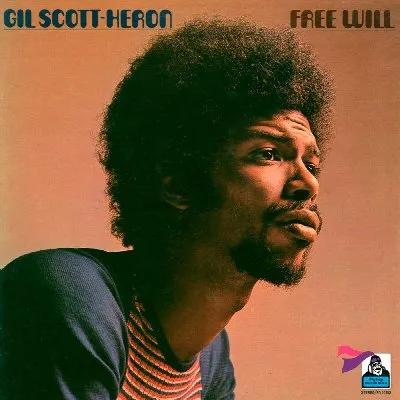
Free Will
Gil Scott-Heron · 1972
60 min · 20 tracks · jazz
A fusion of jazz and spoken word, weaving poignant social commentary with an intimate storytelling style.
Top tracks — play these first
-
→
The Get Out of the Ghetto Blues — This track stands out for its urgent call to action against systemic oppression, combining jazz rhythms with a powerful critique of urban life.
-
→
Free Will — The title track encapsulates the album's themes of autonomy and choice, featuring introspective lyrics that challenge listeners to reflect on their own lives.
-
→
Speed Kills — In this brief but impactful piece, Scott-Heron delivers a stark warning about the dangers of reckless living, using sharp imagery and a rhythmic delivery.
Elevation
Our rating, out of 100 — and why.
AI-generated from five scored dimensions. An opinion, not a measurement.
The blend of spoken word and jazz creates a unique sound, though the album's cohesion is affected by alternate takes.
What we noticed
- Several tracks incorporate social commentary, with lyrics that directly address issues like urban life and systemic oppression.
- The first half of the album maintains a consistent mid-tempo groove, while the latter half introduces more varied rhythms and dynamics.
- Composition 25% of the score
-
7/10
- Craft 20% of the score
-
6/10
- Durability 25% of the score
-
8/10
- Distinctiveness 18% of the score
-
7/10
- Sequencing 12% of the score
-
5/10
the writing — melody, harmony, structure, lyrics
production, performance, arrangement
whether it rewards returning to it
whether it sounds like itself
running order, pacing, length
Significant within its genre. Reported but not counted — how far a record travelled describes its reception rather than the record, and a newer release has had less time to travel than an older one.
Is this for you?
Good fit if you like
- thought-provoking lyrical content
- wave-like pacing and dynamics
- introspective late-night listening
- immersive storytelling experiences
- varied emotional landscapes
Where this album fits
- Career context
- Released in January 1972, Free Will was Gil Scott-Heron's third studio album, following his acclaimed earlier works. At this point in his career, he was establishing himself as a leading voice in the Black arts movement, blending music with political activism and personal narrative.
- Stylistic neighbors
- Amiri Baraka· The Last Poets· Abbey Lincoln
Moments worth listening for
Where the writing does something specific.
-
The Get Out of the Ghetto Blues
The narrative shifts from personal stories to broader societal critiques, emphasizing the urgency of self-empowerment amidst adversity.
Tracklist
Best experienced from track one — press play and let it unfold.
- 1 Free Will 3:42
- 2 The Middle of Your Day 4:32
- 3 The Get Out of the Ghetto Blues 5:11
- 4 Speed Kills 3:18
- 5 Did You Hear What They Said? 3:31
- 6 The King Alfred Plan 2:54
- 7 No Knock 2:10
- 8 Wiggy 1:36
- 9 Ain't No New Thing 4:31
- 10 Billy Green Is Dead 2:15
- 11 Sex Education: Ghetto Style 0:54
- 12 And Then He Wrote 'Meditations' 3:33
- 13 Free Will (alternate take) 3:02
- 14 Speed Kills (alternate take) 3:25
- 15 The King Alfred Plan (alternate take) 3:01
- 16 No Knock (alternate take) 2:04
- 17 Wiggy (alternate take) 1:35
- 18 Ain't No New Thing (alternate take) 3:34
- 19 Billy Green Is Dead (alternate take) 2:57
- 20 Free Will (alternate take 2) 2:53


Reference: Wikipedia · MusicBrainz · Wikidata
Sync your library
Everything you track here works immediately — no account needed. Create one when you want to sync across devices.