

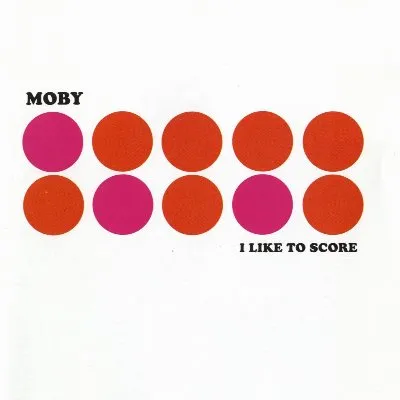
Released 29 years ago this October
I Like to Score
Moby · 1997
48 min · 12 tracks · alternative rock
A mesmerizing blend of ambient textures and cinematic soundscapes that evoke a sense of introspective tranquility.
Top tracks — play these first
-
→
Novio Start here — establishes the sonic palette early
-
→
James Bond Theme (Moby’s re-version) — This track stands out as a bold reimagining of a classic theme, demonstrating Moby's ability to blend recognizable melodies with modern electronic production.
-
→
Go — Originally released earlier in his career, this track's inclusion showcases Moby's evolution while maintaining its danceability and broad appeal.
-
→
God Moving Over the Face of the Waters — An expansive piece featuring lush soundscapes that encapsulate the album's cinematic ambition and emotional depth, making it a standout moment.
-
→
I Like to Score — The title track encapsulates the album's theme by directly linking Moby’s musical style with his venture into film scoring, blending ambient sounds with rhythmic elements.
Elevation
Our rating, out of 100 — and why.
AI-generated from five scored dimensions. An opinion, not a measurement.
InstrumentalMoby's blend of ambient and electronic elements creates a unique soundscape that stands out in the genre.
What we noticed
- The album features a consistent use of ambient textures layered with electronic beats, creating a cinematic atmosphere throughout.
- Several tracks, such as 'James Bond Theme' and 'New Dawn Fades', reinterpret well-known melodies while maintaining a cohesive sound.
- The pacing varies, with some tracks like 'Go' providing rhythmic energy, while others like 'God Moving Over the Face of the Waters' offer a more meditative experience.
- Composition 25% of the score
-
7/10
- Craft 20% of the score
-
8/10
- Durability 25% of the score
-
6/10
- Distinctiveness 18% of the score
-
8/10
- Sequencing 12% of the score
-
7/10
the writing — melody, harmony, structure, lyrics
production, performance, arrangement
whether it rewards returning to it
whether it sounds like itself
running order, pacing, length
Known within its scene. Reported but not counted — how far a record travelled describes its reception rather than the record, and a newer release has had less time to travel than an older one.
Is this for you?
Good fit if you like
- wave-like pacing for introspection
- cinematic soundscapes for focus
- short tracks encourage replaying
- dynamic ebb and flow experience
- evocative moods for quiet moments
Maybe skip if you
- seeking high-energy party tracks
- prefer standalone singles over cohesion
Where this album fits
- In the catalog
- Deep Cut — Explores film scoring and unique themes, but not a primary entry point for new listeners.
- Themes
- cinematic soundscapes· Twin Peaks nostalgia· modern film scoring
- Career context
- Released in 1997, I Like to Score followed Moby's breakthrough album, Play, solidifying his status as a prominent figure in electronic music. At this point in his career, Moby began experimenting with scoring films and integrating cinematic elements into his work, showcasing his versatility as an artist.
- Stylistic neighbors
- Massive Attack· Thievery Corporation· Air
Moments worth listening for
Where the writing does something specific.
-
Grace
The final section shifts from ethereal sounds to a more grounded melody that evokes resolution amidst its ambient layering.
This transition highlights Moby's skill in creating emotional arcs within instrumental music, allowing listeners to feel a journey without words.
Tracklist
- 1 Novio Start here 2:38
- 2 James Bond Theme (Moby’s re-version) 3:23
- 3 Go 3:59
- 4 Ah-Ah 2:24
- 5 I Like to Score 2:21
- 6 Oil 1 4:51
- 7 New Dawn Fades 5:34
- 8 God Moving Over the Face of the Waters 5:44
- 9 First Cool Hive 5:41
- 10 Nash 1:22
- 11 Love Theme 4:36
- 12 Grace 5:26

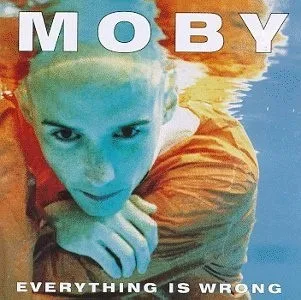
If this landed
Records by other artists that run on the same instinct.
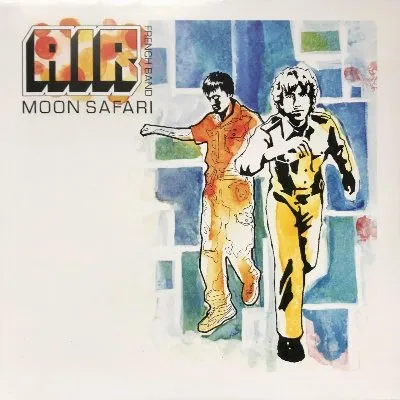
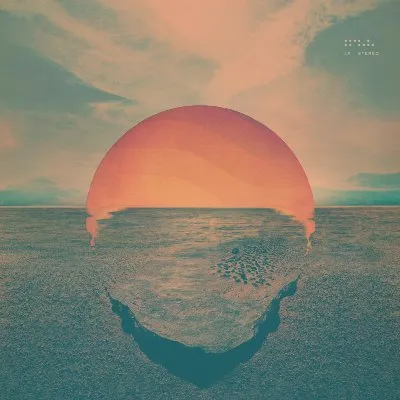
Reference: Wikipedia · MusicBrainz · Wikidata
Sync your library
Everything you track here works immediately — no account needed. Create one when you want to sync across devices.