

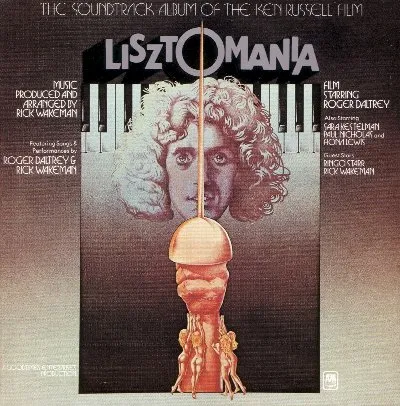
Lisztomania
Rick Wakeman · 1975
33 min · 12 tracks · classical music
A theatrical blend of progressive rock and classical motifs, woven into a narrative tapestry exploring human passion and artistic obsession.
Top tracks — play these first
-
→
Rienzi / Chopsticks Fantasia Start here — This opening track sets the stage for the album's thematic exploration by juxtaposing classical influences with playful whimsy, embodying Wakeman's innovative style.
-
→
Love’s Dream — The lush arrangement and emotive melodies in this piece highlight the romantic themes central to Liszt's story, showcasing Wakeman's ability to blend genres seamlessly.
-
→
Master Race — This brief yet impactful track uses stark contrasts in sound to evoke intense emotions, reflecting on darker aspects of history tied to Liszt's time.
Elevation
Our rating, out of 100 — and why.
AI-generated from five scored dimensions. An opinion, not a measurement.
InstrumentalThe album blends progressive rock with classical elements, creating a cohesive narrative while showcasing technical skill.
What we noticed
- The album features a continuous flow of thematic material, with motifs from classical pieces interspersed throughout the tracks.
- Each track varies in tempo and dynamics, creating a dramatic narrative arc that reflects the emotional highs and lows of Liszt's life.
- Composition 25% of the score
-
8/10
- Craft 20% of the score
-
7/10
- Durability 25% of the score
-
6/10
- Distinctiveness 18% of the score
-
7/10
- Sequencing 12% of the score
-
8/10
the writing — melody, harmony, structure, lyrics
production, performance, arrangement
whether it rewards returning to it
whether it sounds like itself
running order, pacing, length
Known within its scene. Reported but not counted — how far a record travelled describes its reception rather than the record, and a newer release has had less time to travel than an older one.
Is this for you?
Good fit if you like
- kaleidoscopic instrumental explorations
- dynamic range with interludes
- wave-like pacing and shifts
- short tracks for quick bursts
Maybe skip if you
- need for consistent energy
Where this album fits
- In the catalog
- Critical Peak — Ambitious concept album showcasing Wakeman's artistic growth and complexity.
- Themes
- theatrical narratives· societal critique
- Career context
- Released in 1975, Lisztomania was Rick Wakeman's fifth solo album, following his successful breakthrough with The Six Wives of Henry VIII. At this point, Wakeman was solidifying his reputation as a pioneering figure in progressive rock while also exploring the intersection of classical music and rock.
- Stylistic neighbors
- Keith Emerson· Genesis· Yes
Tracklist
- 1 Rienzi / Chopsticks Fantasia Start here 4:23
- 2 Love’s Dream 4:30
- 3 Dante Period 2:09
- 4 Orpheus Song 3:11
- 5 Hell 2:03
- 6 Hibernation 1:13
- 7 Excelsior Song 2:34
- 8 Master Race 0:48
- 9 Rape, Pillage & Clap 3:15
- 10 Funerailles 3:55
- 11 Free Song 2:00
- 12 Peace at Last 3:10
What to play next
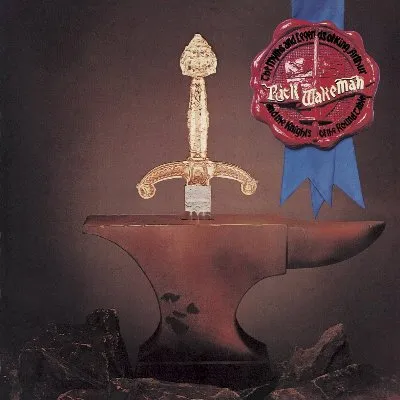
The Myths and Legends of King Arthur and the Knights of the Round Table
1975
Continues the theatrical and narrative style with rich orchestration and themes.

Journey to the Centre of the Earth plus
Sets a foundation in progressive rock storytelling that leads into Lisztomania's thematic depth.
If this landed
Records by other artists that run on the same instinct.

Reference: Wikipedia · MusicBrainz · Wikidata
Sync your library
Everything you track here works immediately — no account needed. Create one when you want to sync across devices.