

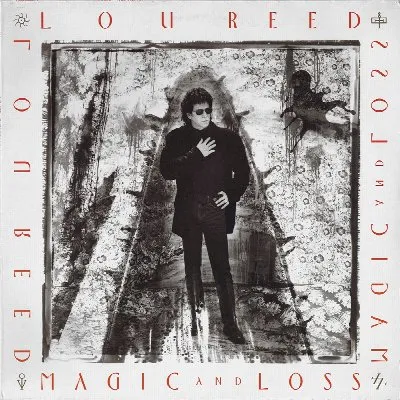
Magic and Loss
Lou Reed · 1992
58 min · 14 tracks · alternative rock
Measured rock arrangements leave room for a conversational voice to confront illness and death with both tenderness and anger.
Top tracks — play these first
-
→
What’s Good (The Thesis) Start here — Everyday comparisons collide with the reality of disease in a brisk, biting song that sets out the album’s refusal to make mortality tidy.
-
→
Magician (Internally) — Its extended narrative follows a patient through treatment, letting the plainspoken details of medical care carry the song’s dread.
-
→
Cremation (Ashes to Ashes) — A spare account of a cremation ceremony brings the album’s concern with death down to physical ritual and the people left observing it.
-
→
Magic and Loss (The Summation) — The closing track searches for a way through grief without denying it, giving the album’s sequence a hard-won sense of movement.
Elevation
Our rating, out of 100 — and why.
AI-generated from five scored dimensions. An opinion, not a measurement.
The album's minimalist approach and introspective themes create a cohesive exploration of grief.
What we noticed
- The album features a sparse arrangement, often relying on minimal instrumentation such as piano and guitar, which emphasizes the lyrical content.
- Several tracks employ a spoken-word style, blending narrative with melody, creating an intimate atmosphere.
- The thematic progression moves through various aspects of loss and mortality, with the last track serving as a reflective conclusion to the preceding narratives.
- Composition 25% of the score
-
7/10
- Craft 20% of the score
-
6/10
- Durability 25% of the score
-
7/10
- Distinctiveness 18% of the score
-
7/10
- Sequencing 12% of the score
-
8/10
the writing — melody, harmony, structure, lyrics
production, performance, arrangement
whether it rewards returning to it
whether it sounds like itself
running order, pacing, length
Known within its scene. Reported but not counted — how far a record travelled describes its reception rather than the record, and a newer release has had less time to travel than an older one.
Is this for you?
Good fit if you like
- haunting reflections on mortality
- wave-like pacing with introspection
- dynamic exploration of themes
- late-night solitary contemplation
Maybe skip if you
- seekers of upbeat energy
- prefer straightforward song structures
Where this album fits
- In the catalog
- Critical Peak — Explores profound themes of grief, marking an artistic reflection in Reed's catalog.
- Themes
- New York elegies· Catholic funeral rites· mortality’s shadow
- Career context
- Magic and Loss followed Lou Reed’s 1989 solo album New York and Songs for Drella, his 1990 collaboration with former Velvet Underground bandmate John Cale. Written after the deaths of two friends, it continued the direct, narrative approach of his late-1980s work while turning toward mortality.
- Stylistic neighbors
- David Bowie· Iggy Pop· The Velvet Underground
Tracklist
- 1 Dorita (The Spirit) 1:07
- 2 What’s Good (The Thesis) Start here 3:22
- 3 Power and Glory (The Situation) 4:23
- 4 Magician (Internally) 6:23
- 5 Sword of Damocles (Externally) 3:42
- 6 Goodby Mass (In a Chapel Bodily Termination) 4:25
- 7 Cremation (Ashes to Ashes) 2:54
- 8 Dreamin’ (Escape) 5:09
- 9 No Chance (Regret) 3:15
- 10 Warrior King (Revenge) 4:27
- 11 Harry’s Circumcision (Reverie Gone Astray) 5:29
- 12 Gassed and Stoked (Loss) 4:18
- 13 Power and Glory, Part II (Magic Transformation) 2:57
- 14 Magic and Loss (The Summation) 6:39
What to play next
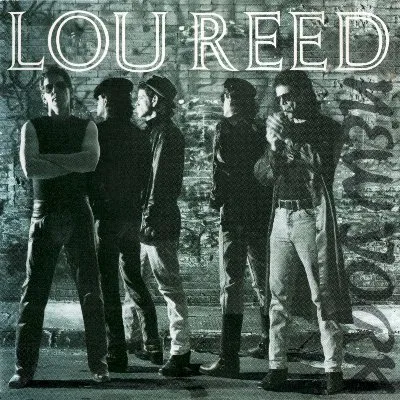
New York
1989
Continues the introspective themes with a more narrative-driven approach.

A Night with Lou Reed
1991
Sets the stage with live energy that contrasts yet complements the introspection of Magic and Loss.
If this landed
Records by other artists that run on the same instinct.

Reference: Wikipedia · MusicBrainz · Wikidata
Sync your library
Everything you track here works immediately — no account needed. Create one when you want to sync across devices.