

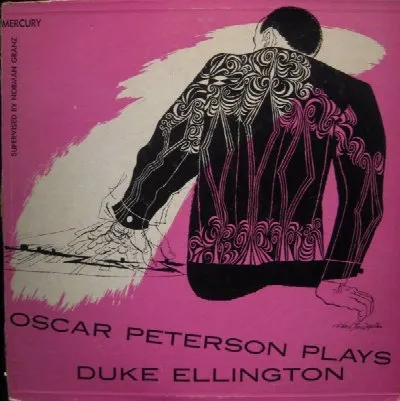
Oscar Peterson Plays Duke Ellington
Oscar Peterson · 1952
40 min · 12 tracks · blues
A vibrant homage to Ellington's legacy, blending intricate piano work with rich orchestral arrangements and soulful improvisation.
Top tracks — play these first
-
→
John Hardy’s Wife Start here — establishes the sonic palette early
-
→
Sophisticated Lady — This track highlights Peterson's lyrical piano style and ability to convey deep emotion through subtle phrasing, capturing the essence of Ellington's composition beautifully.
-
→
Take the A Train — As one of Ellington's most famous pieces, Peterson's rendition showcases his energetic improvisation and swing feel, making it a standout on the album.
-
→
Cottontail — The lively tempo and intricate harmonies in this track allow Peterson to exhibit both technical brilliance and playful interaction with the rhythm section.
-
→
I Got It Bad and That Ain’t Good — Peterson’s interpretation adds a fresh layer of complexity to this classic, with his expressive playing conveying the song’s themes of longing effectively.
Elevation
Our rating, out of 100 — and why.
AI-generated from five scored dimensions. An opinion, not a measurement.
Peterson's interpretations of Ellington's works highlight his skill while maintaining a cohesive sound throughout the album.
What we noticed
- The orchestration varies from lush strings to brass accents, providing a rich backdrop that complements the piano without overshadowing it.
- Composition 25% of the score
-
8/10
- Craft 20% of the score
-
8/10
- Durability 25% of the score
-
7/10
- Distinctiveness 18% of the score
-
7/10
- Sequencing 12% of the score
-
6/10
the writing — melody, harmony, structure, lyrics
production, performance, arrangement
whether it rewards returning to it
whether it sounds like itself
running order, pacing, length
Known within its scene. Reported but not counted — how far a record travelled describes its reception rather than the record, and a newer release has had less time to travel than an older one.
Is this for you?
Good fit if you like
- steady melodic flow throughout
- vibrant piano interplay enjoyment
- for afternoon relaxation
- swinging rhythms to uplift mood
Maybe skip if you
- prefer instant gratification tracks
- seek high-energy party music
Where this album fits
- In the catalog
- Breakthrough — This album contributed to Peterson's rise to international fame and recognition.
- Themes
- Montreal jazz scene· Ellington's legacy· swinging rhythms
- Career context
- In 1952, Oscar Peterson was solidifying his reputation as a leading jazz pianist following the success of his earlier trio recordings. This album came during a period when he was rapidly gaining recognition in the United States, particularly for his virtuosic technique and innovative style. Peterson's collaboration with prominent figures like Duke Ellington further established him as a pivotal force in jazz.
- Stylistic neighbors
- Bill Evans· Herbie Hancock· McCoy Tyner
Moments worth listening for
Where the writing does something specific.
-
I Got It Bad and That Ain’t Good
The shift from a reflective mood to an intensified emotional plea reveals deep vulnerability within the music.
This structural choice emphasizes the complexity of human emotion, allowing listeners to engage intimately with the narrative conveyed through the music.
Tracklist
- 1 John Hardy’s Wife Start here 3:24
- 2 Sophisticated Lady 3:01
- 3 Things Ain’t What They Used to Be 3:16
- 4 Sittin’ and Rockin’ 3:45
- 5 In a Mellow Tone 3:09
- 6 I Got It Bad and That Ain’t Good 3:17
- 7 Prelude to a Kiss 3:19
- 8 Cottontail 3:53
- 9 Don’t Get Around Much Anymore 4:00
- 10 Take the A Train 3:19
- 11 Rockin’ in Rhythm 2:56
- 12 Never No Lament 3:01

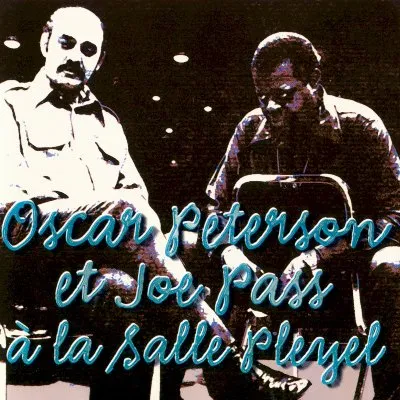
If this landed
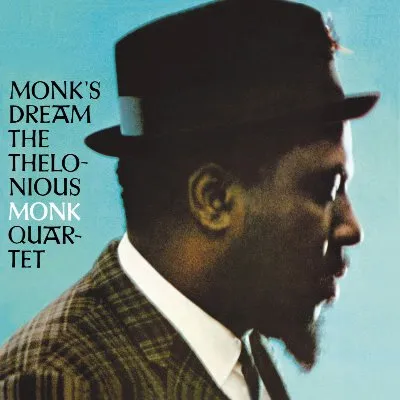
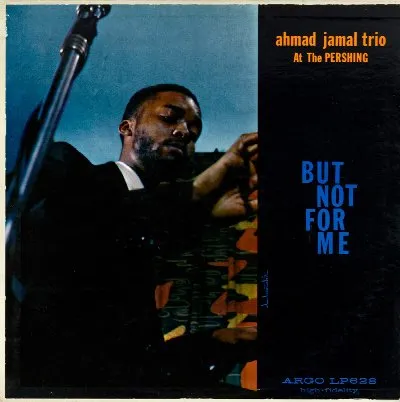
Records by other artists that run on the same instinct.
Reference: Wikipedia · MusicBrainz · Wikidata
Sync your library
Everything you track here works immediately — no account needed. Create one when you want to sync across devices.