


Released 70 years ago
Tenor Madness
Sonny Rollins · 1956
35 min · 5 tracks · jazz
A vibrant showcase of improvisational brilliance, blending soulful melodies with intricate rhythms and a bold tenor saxophone presence.
Top tracks — play these first
-
→
Tenor Madness Start here — The title track serves as a tour de force for Rollins and Coltrane, showcasing their contrasting styles while engaging in spontaneous improvisation that defines the essence of the album.
-
→
When Your Lover Has Gone — This track highlights Rollins' lyrical approach to the tenor saxophone, weaving a poignant narrative that contrasts beautifully with his more aggressive playing on other tracks.
-
→
My Reverie — With its lush harmonies and soothing melodies, this piece illustrates Rollins’ ability to blend emotional depth with technical skill, creating a moment of introspection within the album.
Elevation
Our rating, out of 100 — and why.
AI-generated from five scored dimensions. An opinion, not a measurement.
InstrumentalThe album showcases impressive improvisation and distinct melodies, marking a significant moment in jazz history.
What we noticed
- Each track varies in tempo and mood, with 'When Your Lover Has Gone' offering a slower, more reflective pace compared to the upbeat 'Paul's Pal'.
- Composition 25% of the score
-
8/10
- Craft 20% of the score
-
9/10
- Durability 25% of the score
-
7/10
- Distinctiveness 18% of the score
-
8/10
- Sequencing 12% of the score
-
6/10
the writing — melody, harmony, structure, lyrics
production, performance, arrangement
whether it rewards returning to it
whether it sounds like itself
running order, pacing, length
Significant within its genre. Reported but not counted — how far a record travelled describes its reception rather than the record, and a newer release has had less time to travel than an older one.
Is this for you?
Good fit if you like
- long, immersive listening sessions
- dynamic emotional journeys
- contemplative late-night vibes
Where this album fits
- In the catalog
- Breakthrough — Marked a significant return and showcased Rollins' impact on the post-bop movement.
- Themes
- post-bop innovation· intimate balladry· saxophone camaraderie
- Career context
- Released in 1956, Tenor Madness followed Sonny Rollins' acclaimed album Way Out West and marked his return to the studio after a hiatus. This album is significant as it features a famous collaboration with John Coltrane, capturing two giants of jazz in an electrifying setting during the height of their creative powers.
- Stylistic neighbors
- John Coltrane· Ornette Coleman· Wayne Shorter
Tracklist
- 1 Tenor Madness Start here 12:16
- 2 When Your Lover Has Gone 6:13
- 3 Paul's Pal 5:12
- 4 My Reverie 6:08
- 5 The Most Beautiful Girl in the World 5:36


If this landed
Records by other artists that run on the same instinct.
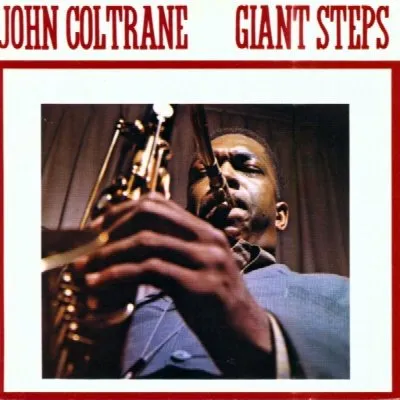
Giant Steps
John Coltrane
Shares intricate harmonic structures and showcases virtuosic saxophone improvisation.

The Shape of Jazz to Come
Ornette Coleman
Explores post-bop innovation with a focus on free improvisation and melodic exploration.

Speak No Evil
Wayne Shorter
Combines lyrical depth with innovative compositions, maintaining a rich saxophone presence.
Reference: Wikipedia · MusicBrainz · Wikidata
Sync your library
Everything you track here works immediately — no account needed. Create one when you want to sync across devices.