

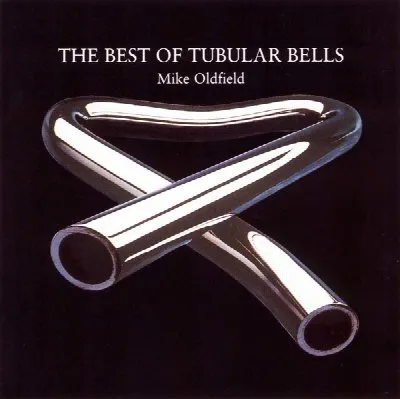
The Best of Tubular Bells
Mike Oldfield · 2001
62 min · 12 tracks · classical music
Circling piano figures open onto a shifting world of chiming instruments and electric guitars, where pastoral calm can turn theatrical without warning.
Top tracks — play these first
-
→
Tubular Bells, Part 1 (original edit) Start here — The opening edit introduces the circling piano motif that became the work’s calling card, with layers gradually gathering around its uneasy pulse.
-
→
Tubular Bells, Part 2: "The Caveman Song" (original edit) — Guttural vocal noises and a lurching rhythm interrupt the suite’s more stately passages, revealing Oldfield’s appetite for absurdity.
-
→
Sentinel (Tubular Bells II) — The opening of the 1992 sequel revisits the original’s repeating piano pattern with a brighter, more polished studio sound.
-
→
The Bell (Tubular Bells II) — A spoken master of ceremonies introduces instruments as they join the music, turning the layering process into a playful piece of theatre.
-
→
Far Above the Clouds (Tubular Bells III) — A propulsive electronic beat and ringing melodic lines bring the recurring bell motif into the dance-influenced sound of the 1998 sequel.
Elevation
Our rating, out of 100 — and why.
AI-generated from five scored dimensions. An opinion, not a measurement.
InstrumentalThe compilation showcases Oldfield's range but lacks the cohesive narrative of a full album.
What we noticed
- Tracks from later albums like 'Tubular Bells II' and 'Tubular Bells III' are included, demonstrating Oldfield's evolving sound while maintaining thematic continuity.
- Composition 25% of the score
-
6/10
- Craft 20% of the score
-
7/10
- Durability 25% of the score
-
5/10
- Distinctiveness 18% of the score
-
6/10
- Sequencing 12% of the score
-
4/10
the writing — melody, harmony, structure, lyrics
production, performance, arrangement
whether it rewards returning to it
whether it sounds like itself
running order, pacing, length
Significant within its genre. Reported but not counted — how far a record travelled describes its reception rather than the record, and a newer release has had less time to travel than an older one.
Is this for you?
Good fit if you like
- wave-like dynamics throughout experience
- immersive soundscapes for contemplation
- captivating journey through time
- patient unfolding with varied pacing
Maybe skip if you
- seeking immediate gratification
- prefer straightforward song structures
Where this album fits
- In the catalog
- Starting Point — This compilation introduces new listeners to Oldfield's influential sound and legacy.
- Themes
- Celtic soundscapes· progressive rock evolution· ambient tranquility
- Career context
- Released in 2001, this compilation looks back to Oldfield’s 1973 debut Tubular Bells and follows its sequels Tubular Bells II and Tubular Bells III. It also includes music from The Millennium Bell, his 1999 album, alongside orchestral and live versions of the original work.
- Stylistic neighbors
- Vangelis· Jean-Michel Jarre· Enya
Tracklist
- 1 Tubular Bells, Part 1 (original edit) Start here 4:42
- 2 Tubular Bells, Part 1 (orchestral edit) 3:14
- 3 Tubular Bells, Part 1 (original edit) Start here 3:47
- 4 Tubular Bells, Part 1 (Exposed edit) 3:20
- 5 Tubular Bells, Part 1 (original edit) Start here 8:29
- 6 Tubular Bells, Part 2: "The Caveman Song" (original edit) 4:47
- 7 Tubular Bells, Part 2 (Exposed edit) 4:15
- 8 Sentinel (Tubular Bells II) 8:07
- 9 The Bell (Tubular Bells II) 6:59
- 10 Far Above the Clouds (Tubular Bells III) 5:27
- 11 The Millenium Bell (The Millenium Bell) 7:32
- 12 Tubular Bells, Part 2: "Sailors Hornpipe" (original edit) 1:36
What to play next
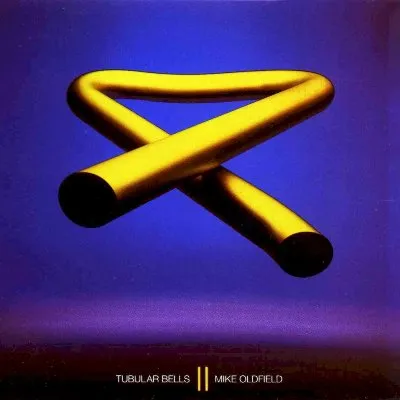
Tubular Bells II
1992
Continues the progressive rock and ambient themes from the current album.
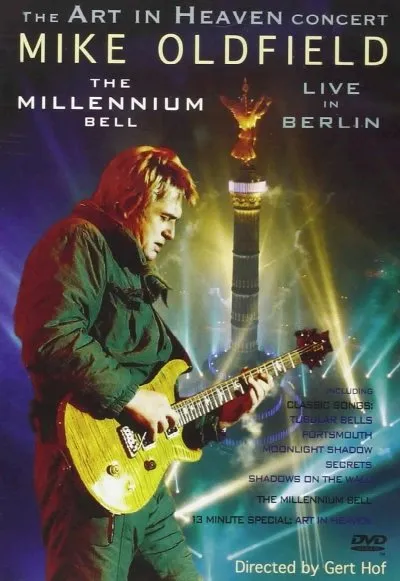
The Art in Heaven Concert
2000
If this landed
Records by other artists that run on the same instinct.
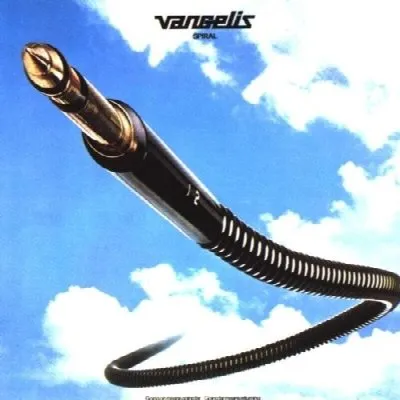
Spiral
Vangelis
Explores expansive synth landscapes with a similar ethereal and progressive feel.
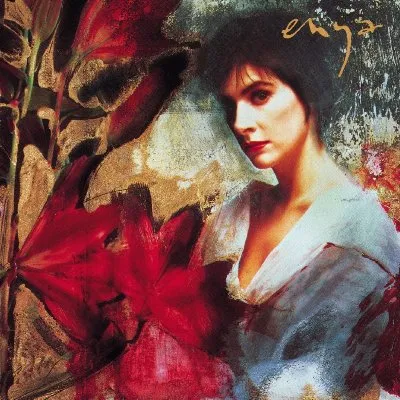
Watermark
Enya
Features lush, layered vocals and ambient textures, echoing Celtic influences and tranquil soundscapes.

Oxygène
Jean-Michel Jarre
Combines electronic soundscapes with progressive structures, creating immersive auditory journeys.
Reference: Wikipedia · MusicBrainz · Wikidata
Sync your library
Everything you track here works immediately — no account needed. Create one when you want to sync across devices.