

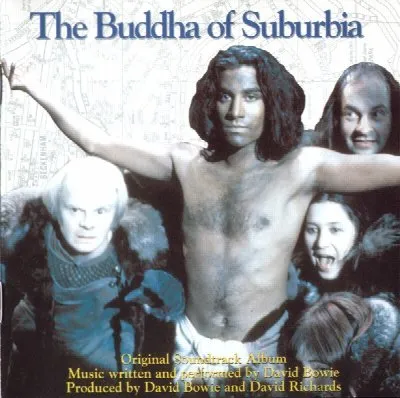
Released 33 years ago this November
The Buddha of Suburbia
David Bowie · 1993
55 min · 10 tracks · alternative rock
An eclectic blend of ambient rock and art pop that reflects on suburban life with introspective lyricism.
Top tracks — play these first
-
→
Buddha of Suburbia Start here — This title track encapsulates the album's exploration of suburban identity through an atmospheric soundscape that blends funk and rock elements.
-
→
Strangers When We Meet — This song features poignant reflections on alienation and connection, showcasing Bowie's lyrical depth paired with a haunting melody.
-
→
Ian Fish, U.K. Heir — In this track, Bowie employs vivid storytelling to critique societal expectations, making it a standout piece that highlights his narrative prowess.
Elevation
Our rating, out of 100 — and why.
AI-generated from five scored dimensions. An opinion, not a measurement.
The album blends ambient textures with reflective lyrics, showcasing Bowie's creative resurgence in the early '90s.
What we noticed
- Several tracks incorporate layered synthesizers and ambient soundscapes, creating a lush backdrop for the reflective lyrics.
- The running time includes both shorter, concise songs and longer, more exploratory pieces, which contribute to a varied pacing throughout.
- Composition 25% of the score
-
7/10
- Craft 20% of the score
-
8/10
- Durability 25% of the score
-
6/10
- Distinctiveness 18% of the score
-
7/10
- Sequencing 12% of the score
-
5/10
the writing — melody, harmony, structure, lyrics
production, performance, arrangement
whether it rewards returning to it
whether it sounds like itself
running order, pacing, length
Known within its scene. Reported but not counted — how far a record travelled describes its reception rather than the record, and a newer release has had less time to travel than an older one.
Is this for you?
Good fit if you like
- reflective moods for quiet moments
- explorative listening with varied pacing
- suburban themes of longing
- immersive soundscapes for introspection
Maybe skip if you
- seeking fast-paced excitement
- prefer straightforward song structures
Where this album fits
- In the catalog
- Experimental — Represents a shift in Bowie's sound, blending ambient rock and art pop.
- Themes
- suburban ennui· class identity· alienation in suburbia
- Career context
- Released in 1993, The Buddha of Suburbia is David Bowie's first album of the 1990s, following his commercial peak in the 1980s. This soundtrack to a British miniseries marked a shift in Bowie's career, experimenting with new sounds and themes after a decade dominated by mainstream success.
- Stylistic neighbors
- Brian Eno· Roxy Music· Talking Heads
Moments worth listening for
Where the writing does something specific.
-
Strangers When We Meet
The shift from introspection to addressing a potential romantic connection reveals layers of vulnerability and desire.
This structural contrast deepens the emotional complexity, juxtaposing personal reflection with the possibility of intimacy.
Tracklist
- 1 Buddha of Suburbia Start here 4:29
- 2 Sex and the Church 6:23
- 3 South Horizon 5:24
- 4 The Mysteries 7:11
- 5 Bleed Like a Craze, Dad 5:23
- 6 Strangers When We Meet 4:58
- 7 Dead Against It 5:47
- 8 Untitled No. 1 5:02
- 9 Ian Fish, U.K. Heir 6:29
- 10 Buddha of Suburbia Start here 4:20

If this landed
Records by other artists that run on the same instinct.
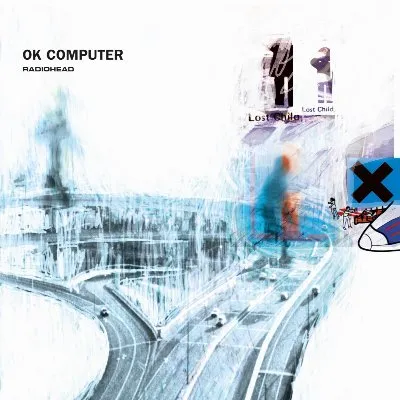
OK Computer
Radiohead
Explores themes of alienation and modernity with lush soundscapes and reflective lyrics.

Moon Safari
Air
Shares ambient textures and a dreamy quality, evoking feelings of suburban escapism.

Different Class
Pulp
Captures class identity and suburban life through sharp lyrics and eclectic production.
Reference: Wikipedia · MusicBrainz · Wikidata
Sync your library
Everything you track here works immediately — no account needed. Create one when you want to sync across devices.