


The Division Bell
Pink Floyd · 1994
66 min · 11 tracks · progressive rock
David Gilmour’s guitar drifts through spacious keyboards while measured rhythms give the album’s meditations on distance room to breathe.
Top tracks — play these first
-
→
Cluster One Start here — The opening instrumental gives Wright’s piano and Gilmour’s guitar space to converse before the album turns to its lyrical preoccupation with communication.
-
→
Wearing the Inside Out — Wright’s lead vocal brings a hushed presence to a song about withdrawal and recovery, with saxophone adding to its late-night atmosphere.
-
→
Keep Talking — A sampled Stephen Hawking voice introduces a song that turns the album’s concern with communication into a forceful exchange, propelled by Gilmour’s talk-box guitar.
-
→
High Hopes — Bell sounds and images of an earlier life frame the closing track, which ends with an extended lap-steel guitar passage from Gilmour.
Elevation
Our rating, out of 100 — and why.
AI-generated from five scored dimensions. An opinion, not a measurement.
The album features strong melodies and thoughtful arrangements but lacks the impact of earlier works.
What we noticed
- The album opens with an instrumental track that sets a reflective tone, followed by songs that often feature extended instrumental sections.
- Several tracks incorporate layered vocal harmonies and call-and-response patterns, emphasizing themes of communication.
- The use of sound effects and ambient textures throughout creates a sense of space and introspection.
- Composition 25% of the score
-
7/10
- Craft 20% of the score
-
8/10
- Durability 25% of the score
-
6/10
- Distinctiveness 18% of the score
-
6/10
- Sequencing 12% of the score
-
7/10
the writing — melody, harmony, structure, lyrics
production, performance, arrangement
whether it rewards returning to it
whether it sounds like itself
running order, pacing, length
Known within its scene. Reported but not counted — how far a record travelled describes its reception rather than the record, and a newer release has had less time to travel than an older one.
Is this for you?
Good fit if you like
- wave-like pacing with resolution
- nostalgic introspection in soundscapes
- long-form exploration of themes
- thoughtful moments for reflection
- immersive listening for solitude
Maybe skip if you
- prefer instant gratification tracks
- seek upbeat, fast-paced songs
Where this album fits
- In the catalog
- Late Career Highlight — Shows continued vitality and relevance after a long hiatus from the band.
- Themes
- communication breakdown· nostalgic reflections· solitude and yearning
- Career context
- Released in 1994, The Division Bell was Pink Floyd’s second studio album after Roger Waters left the band, following 1987’s A Momentary Lapse of Reason. Keyboardist Richard Wright, who had returned as a touring musician for the previous album, resumed a more substantial role, singing lead on Wearing the Inside Out.
- Stylistic neighbors
- King Crimson· Camel· Genesis
Moments worth listening for
Where the writing does something specific.
-
Keep Talking
In the chorus, repeated questions about a failure to speak alternate with replies admitting that speech has become difficult.
The call-and-response structure turns a breakdown in communication into a dialogue that can barely sustain itself.
Tracklist
- 1 Cluster One Start here 5:58
- 2 What Do You Want From Me 4:21
- 3 Poles Apart 7:04
- 4 Marooned 5:28
- 5 A Great Day for Freedom 4:18
- 6 Wearing the Inside Out 6:48
- 7 Take It Back 6:12
- 8 Coming Back to Life 6:19
- 9 Keep Talking 6:11
- 10 Lost for Words 5:14
- 11 High Hopes 8:31
What to play next
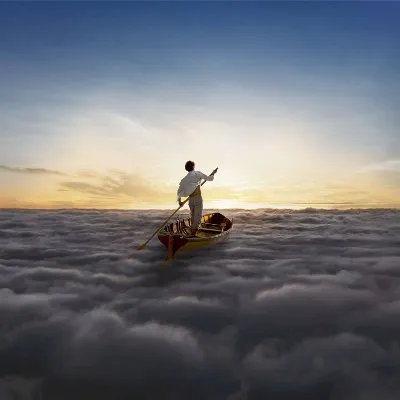
The Endless River
2014
Continues the contemplative soundscape with lush instrumentation and themes of reflection.

A Momentary Lapse of Reason
1987
Sets the stage for 'The Division Bell' with similar sonic textures and thematic elements.
If this landed
Records by other artists that run on the same instinct.
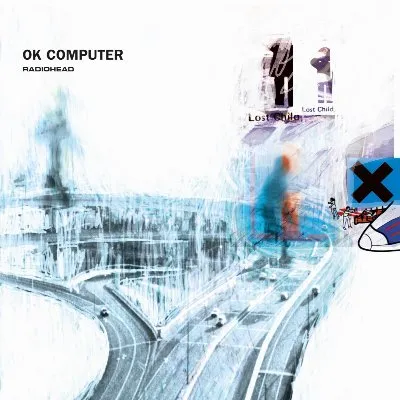
OK Computer
Radiohead
Explores themes of alienation and communication breakdown with expansive soundscapes and introspective lyrics.
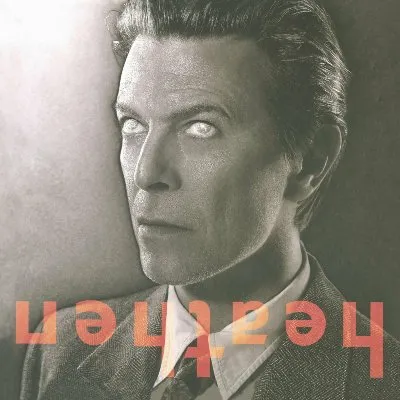
Heathen
David Bowie
Shares a reflective tone and atmospheric production, focusing on themes of loss and nostalgia.

Stupid Dream
Porcupine Tree
Combines atmospheric rock with lyrical introspection, delving into themes of isolation and yearning.
Reference: Wikipedia · MusicBrainz · Wikidata
Sync your library
Everything you track here works immediately — no account needed. Create one when you want to sync across devices.