

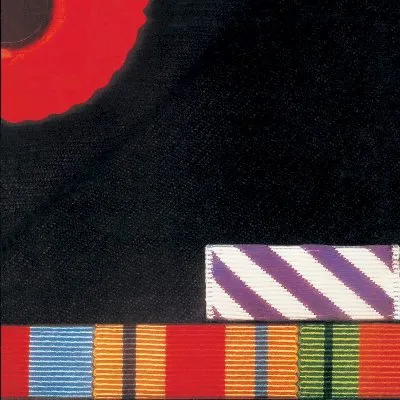
The Final Cut
Pink Floyd · 1983
43 min · 12 tracks · progressive rock
A somber orchestration of reflective melodies and poignant lyrics that capture the aftermath of war and personal loss.
Top tracks — play these first
-
→
The Post War Dream Start here — Opening the album, this track sets a tone of disillusionment with its stark imagery of war and loss, establishing a thematic foundation for what follows.
-
→
The Fletcher Memorial Home — This track critiques societal leaders by imagining a retirement home for them, illustrating Waters' biting commentary on authority and responsibility.
-
→
Not Now John — With its catchy yet cynical chorus, this song juxtaposes personal struggles against broader societal issues, highlighting a recurring theme of alienation throughout the album.
Elevation
Our rating, out of 100 — and why.
AI-generated from five scored dimensions. An opinion, not a measurement.
The album's orchestration and lyrical focus create a cohesive yet polarizing experience reflecting on war.
What we noticed
- The album features a consistent use of orchestral arrangements, with strings and brass complementing the guitar and vocals throughout.
- Each track transitions smoothly into the next, often using sound effects or spoken word segments to maintain thematic continuity.
- Lyrically, the album focuses heavily on war and loss, with many songs featuring narrative elements that reflect personal and collective trauma.
- Composition 25% of the score
-
7/10
- Craft 20% of the score
-
6/10
- Durability 25% of the score
-
6/10
- Distinctiveness 18% of the score
-
7/10
- Sequencing 12% of the score
-
8/10
the writing — melody, harmony, structure, lyrics
production, performance, arrangement
whether it rewards returning to it
whether it sounds like itself
running order, pacing, length
Significant within its genre. Reported but not counted — how far a record travelled describes its reception rather than the record, and a newer release has had less time to travel than an older one.
Is this for you?
Good fit if you like
- somber reflections on loss
- steady pacing for deep focus
- thematic development across tracks
- introspective listening sessions
- orchestral arrangements enhancing mood
Maybe skip if you
- seeking upbeat and lively tracks
- prefer standalone hit singles
Where this album fits
- In the catalog
- Experimental — Represents a departure from previous sounds, focusing on war themes and personal loss.
- Themes
- post-war disillusionment· political critique· haunting memories of conflict
- Career context
- Released on March 21, 1983, The Final Cut is Pink Floyd's twelfth studio album and marks a significant moment following the band’s commercial peak with The Wall in 1979. It stands as Roger Waters' final album with the group before his departure, emphasizing his vision through themes of grief and disillusionment. This album encapsulates the band's stylistic shift towards more introspective and politically charged content.
- Stylistic neighbors
- King Crimson· Yes· Genesis
Tracklist
- 1 The Post War Dream Start here 3:02
- 2 Your Possible Pasts 4:22
- 3 One of the Few 1:23
- 4 The Hero’s Return 2:56
- 5 The Gunners Dream 5:07
- 6 Paranoid Eyes 3:40
- 7 Get Your Filthy Hands Off My Desert 1:19
- 8 The Fletcher Memorial Home 4:11
- 9 Southampton Dock 2:13
- 10 The Final Cut 4:46
- 11 Not Now John 5:01
- 12 Two Suns in the Sunset 5:14


If this landed
Records by other artists that run on the same instinct.

Low
David Bowie
Shares a similar somber atmosphere with experimental production and introspective themes of alienation.

Lost in the Dream
The War on Drugs
Explores themes of disillusionment with layered instrumentation and reflective lyrical content.

Hounds of Love
Kate Bush
Combines haunting orchestral arrangements with personal narratives, reflecting on loss and emotional complexity.
Reference: Wikipedia · MusicBrainz · Wikidata
Sync your library
Everything you track here works immediately — no account needed. Create one when you want to sync across devices.