

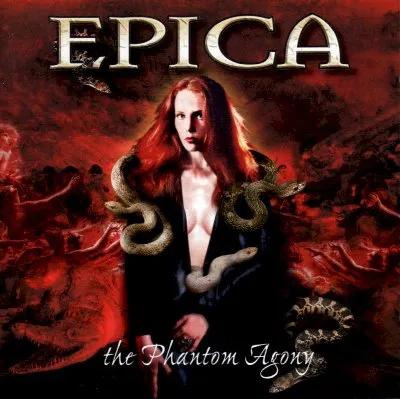
The Phantom Agony
Epica · 2003
56 min · 10 tracks · symphonic metal
Operatic vocals and choral grandeur meet harsh growls as symphonic arrangements press against the weight of gothic metal.
Top tracks — play these first
-
→
Sensorium Start here — After the orchestral introduction, the first full song sets Simons’s soaring vocal against choral passages and heavy guitars, establishing the album’s scale.
-
→
Cry for the Moon (The Embrace That Smothers, Part IV) — Its pointed criticism of abuse and institutional silence gives the album’s symphonic drama a concrete target, while clean and harsh vocals sharpen the confrontation.
-
→
Façade of Reality (The Embrace That Smothers, Part V) — This extended piece links religious extremism with the aftermath of the September 11 attacks, using shifts between orchestral grandeur and heavy riffing to sustain its argument.
-
→
The Phantom Agony — The nine-minute title track gives the band room to move between ominous atmosphere, choral writing and forceful metal, bringing the album’s theatrical ambitions to a close.
Elevation
Our rating, out of 100 — and why.
AI-generated from five scored dimensions. An opinion, not a measurement.
The album combines symphonic elements with metal effectively, establishing a strong identity within its genre.
What we noticed
- The album opens with a choral introduction that sets a dramatic tone, followed by heavy guitar riffs that dominate the first half.
- Each track features orchestral elements layered over metal instrumentation, creating a dense soundscape that supports the lyrical themes.
- Several tracks incorporate operatic vocals alongside growls, alternating between melodic and aggressive passages to enhance emotional impact.
- The final track is a re-recorded single version of the title track, which alters the pacing and energy compared to the preceding songs.
- Composition 25% of the score
-
7/10
- Craft 20% of the score
-
8/10
- Durability 25% of the score
-
6/10
- Distinctiveness 18% of the score
-
7/10
- Sequencing 12% of the score
-
5/10
the writing — melody, harmony, structure, lyrics
production, performance, arrangement
whether it rewards returning to it
whether it sounds like itself
running order, pacing, length
Significant within its genre. Reported but not counted — how far a record travelled describes its reception rather than the record, and a newer release has had less time to travel than an older one.
Is this for you?
Good fit if you like
- wave-like pacing with climaxes
- operatic vocals for dramatic impact
- immersive orchestral arrangements
- dynamic journey of emotions
- focused listening for details
Maybe skip if you
- seeking straightforward, short tracks
- prefer instant gratification styles
Where this album fits
- In the catalog
- Breakthrough — This debut album established Epica's presence in the symphonic metal genre.
- Themes
- orchestral grandeur· mythical narratives
- Career context
- The Phantom Agony was the 2003 debut album by Dutch symphonic metal band Epica, formed after guitarist and vocalist Mark Jansen left After Forever. It introduced singer Simone Simons alongside Jansen’s growls, establishing a vocal contrast that would remain central to the band’s sound.
- Stylistic neighbors
- Nightwish· Within Temptation· Kamelot
Tracklist
- 1 Adyta (The Neverending Embrace) 1:26
- 2 Sensorium Start here 4:48
- 3 Cry for the Moon (The Embrace That Smothers, Part IV) 6:44
- 4 Feint 4:19
- 5 Illusive Consensus 5:00
- 6 Façade of Reality (The Embrace That Smothers, Part V) 8:12
- 7 Run for a Fall 6:32
- 8 Seif al Din (The Embrace That Smothers, Part VI) 5:47
- 9 The Phantom Agony 9:01
- 10 The Phantom Agony (single version) 4:34
What to play next
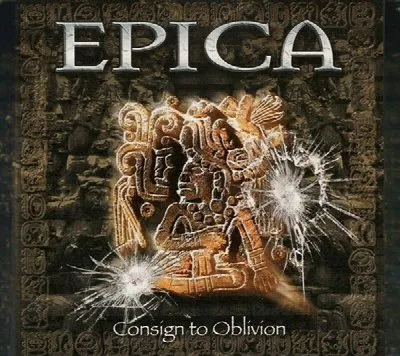
Consign to Oblivion
2005
Continues the symphonic and dramatic sound, deepening themes of existential struggle.

We Will Take You with Us
2004
A live album that captures the energy leading into the more complex sound of The Phantom Agony.
If this landed
Records by other artists that run on the same instinct.
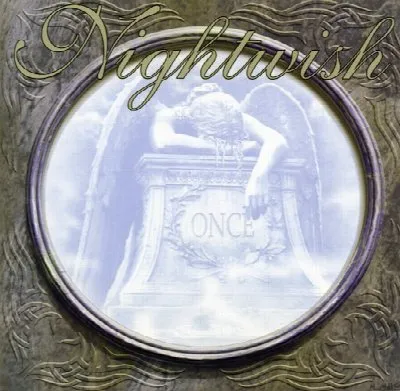
Once
Nightwish
Shares orchestral grandeur and operatic vocals with heavy metal instrumentation.
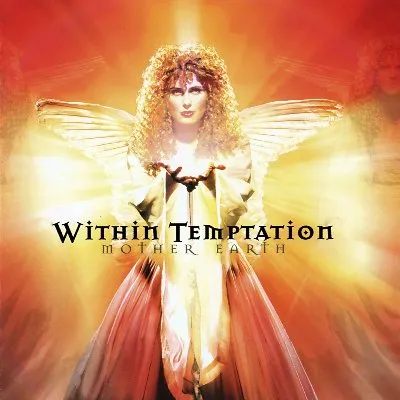
Mother Earth
Within Temptation
Combines lush arrangements and mythical themes with a symphonic metal approach.
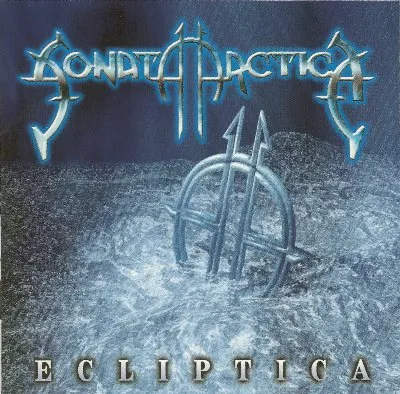
Ecliptica
Sonata Arctica
Features intricate melodies and dramatic storytelling, aligning with the grand themes of Epica.
Reference: Wikipedia · MusicBrainz · Wikidata
Sync your library
Everything you track here works immediately — no account needed. Create one when you want to sync across devices.