

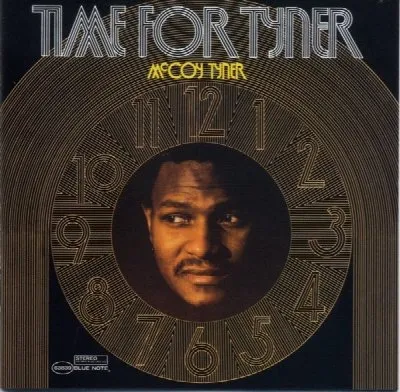
Time for Tyner
McCoy Tyner · 1969
42 min · 6 tracks · jazz
McCoy Tyner’s ringing piano meets Bobby Hutcherson’s shimmering vibraphone in a post-bop set that moves from expansive originals to nimble standards.
Top tracks — play these first
-
→
African Village Start here — The extended opener gives Tyner’s forceful chords and Hutcherson’s vibraphone room to develop over an insistent rhythmic foundation.
-
→
Little Madimba — Its repeating melodic figures make the interplay between piano and vibraphone especially compelling, with the rhythm section keeping the piece in motion.
-
→
May Street — A more compact Tyner original, it concentrates the set’s harmonic drive into a brisk performance.
-
→
I Didn’t Know What Time It Was — The standard shows how Tyner can reshape a familiar theater melody through his own harmonic language without losing its songlike character.
Elevation
Our rating, out of 100 — and why.
AI-generated from five scored dimensions. An opinion, not a measurement.
InstrumentalInnovative compositions and vibrant rhythms make this a standout in jazz, though it dips slightly in cohesion.
What we noticed
- The album opens with a strong rhythmic pulse in 'African Village', establishing an African influence that persists throughout.
- Each track features extended improvisation, particularly highlighting Tyner's piano work and interaction with the ensemble.
- Composition 25% of the score
-
8/10
- Craft 20% of the score
-
7/10
- Durability 25% of the score
-
8/10
- Distinctiveness 18% of the score
-
8/10
- Sequencing 12% of the score
-
6/10
the writing — melody, harmony, structure, lyrics
production, performance, arrangement
whether it rewards returning to it
whether it sounds like itself
running order, pacing, length
Significant within its genre. Reported but not counted — how far a record travelled describes its reception rather than the record, and a newer release has had less time to travel than an older one.
Is this for you?
Good fit if you like
- steady progression to resolution
- rich melodies for deep focus
- afternoon exploration with layers
- sophisticated rhythms for contemplation
Maybe skip if you
- seek instant gratification
- prefer standalone tracks
Where this album fits
- In the catalog
- Breakthrough — First album as a leader post-Coltrane, establishing Tyner's solo reputation.
- Themes
- African village rhythms· post-Coltrane piano exploration· jazz-standard reinterpretation
- Career context
- Released in 1969, Time for Tyner followed The Real McCoy and Tender Moments in Tyner’s run of Blue Note albums. By then, the pianist had established himself as a bandleader after leaving John Coltrane’s quartet in 1965.
- Stylistic neighbors
- Herbie Hancock· Chick Corea· Randy Weston
Tracklist
- 1 African Village Start here 12:09
- 2 Little Madimba 8:32
- 3 May Street 5:20
- 4 I Didn’t Know What Time It Was 7:10
- 5 The Surrey With the Fringe on Top 5:11
- 6 I’ve Grown Accustomed to Her Face 4:26
What to play next
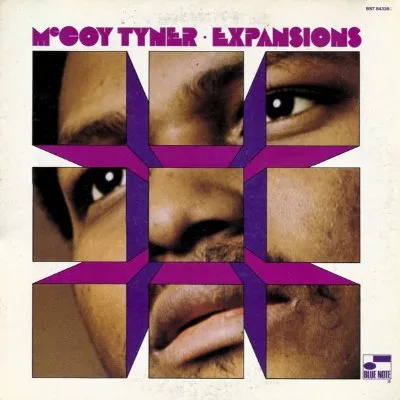
Expansions
1970
Continues the vibrant fusion of jazz and world influences with innovative structures.
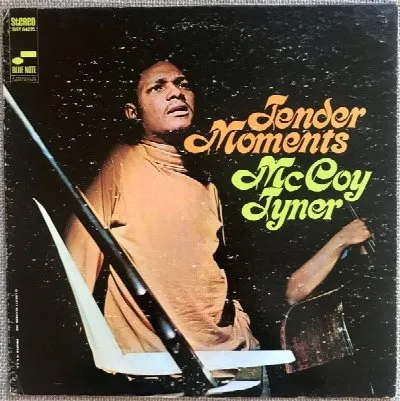
Tender Moments
1968
Sets the stage with a more introspective sound, leading into Tyner's energetic exploration.
If this landed
Records by other artists that run on the same instinct.
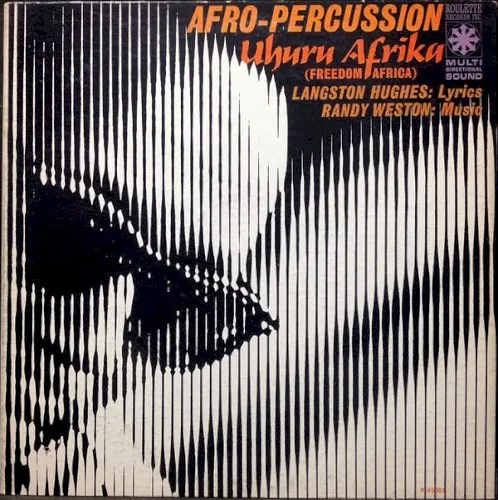
Uhuru Afrika
Randy Weston
Pairs exploratory piano with African percussion and rhythms in a suite-like jazz setting.
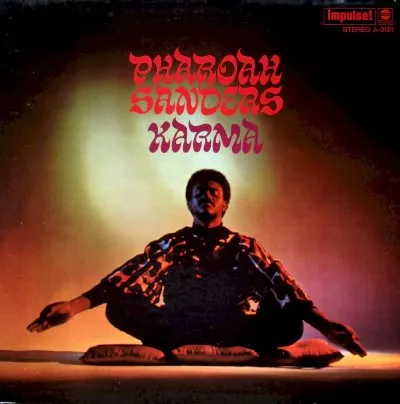
Karma
Pharoah Sanders
Shares post-Coltrane modal exploration, insistent percussion, and an expansive spiritual atmosphere.
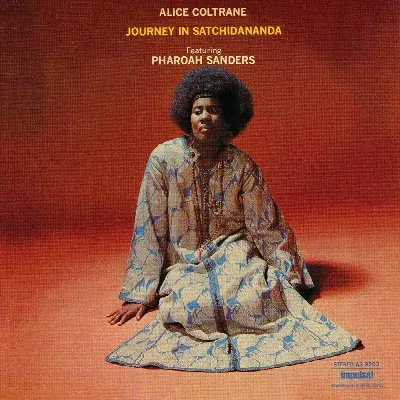
Journey in Satchidananda
Alice Coltrane
Blends spiritual jazz with repeating percussion and modal piano, extending the post-Coltrane search.
Reference: Wikipedia · MusicBrainz · Wikidata
Sync your library
Everything you track here works immediately — no account needed. Create one when you want to sync across devices.