

Top tracks — play these first
-
→
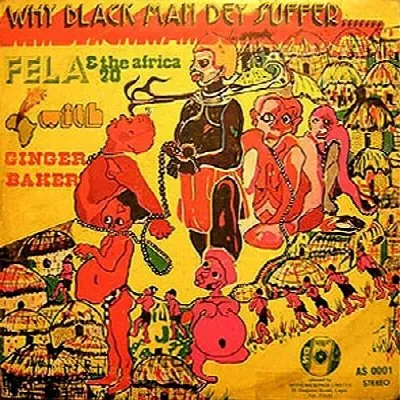
Why Black Man Dey Suffer — The title track combines rich musicality with pointed lyrics addressing the systemic inequalities faced by black individuals, making it a cornerstone of Kuti's political expression.
-
→
Ikoyi Mentality Versus Mushin Mentality — This track contrasts two different mindsets within Nigerian society, showcasing Kuti's ability to blend complex themes with vibrant instrumentation that engages listeners both intellectually and emotionally.
Elevation
Our rating, out of 100 — and why.
AI-generated from five scored dimensions. An opinion, not a measurement.
The album showcases strong composition and craft, with its unique blend of jazz and African rhythms standing out.
What we noticed
- The album consists of two extended tracks, each over ten minutes long, allowing for extensive instrumental exploration.
- The first track features a repetitive horn motif that builds in intensity, while the second track contrasts with a more laid-back groove.
- Both tracks incorporate call-and-response patterns between instruments, creating a dynamic interplay that engages the listener.
- Composition 25% of the score
-
8/10
- Craft 20% of the score
-
9/10
- Durability 25% of the score
-
7/10
- Distinctiveness 18% of the score
-
8/10
- Sequencing 12% of the score
-
6/10
the writing — melody, harmony, structure, lyrics
production, performance, arrangement
whether it rewards returning to it
whether it sounds like itself
running order, pacing, length
Significant within its genre. Reported but not counted — how far a record travelled describes its reception rather than the record, and a newer release has had less time to travel than an older one.
Where this album fits
- In the catalog
- Breakthrough — Established Fela Kuti's reputation in Afrobeat and showcased his political critique.
- Themes
- Nigerian social injustice· class struggle in Lagos· political activism through music
- Moods
- Chill· Introspective
- Career context
- Released in 1971, Why Black Man Dey Suffer marked Fela Kuti's rise as a prominent figure in Afrobeat, following his earlier works that established his unique sound. This album came after the groundbreaking release of his debut, Fela Kuti & The Africa '70, solidifying his role as a political voice against oppression in Nigeria.
- Stylistic neighbors
- Tony Allen· Antibalas· Orlando Julius
Tracklist
Best experienced from track one — press play and let it unfold.
- 1 Why Black Man Dey Suffer 15:15
- 2 Ikoyi Mentality Versus Mushin Mentality 12:56

If this landed
Records by other artists that run on the same instinct.

Reference: Wikipedia · MusicBrainz · Wikidata
Sync your library
Everything you track here works immediately — no account needed. Create one when you want to sync across devices.