

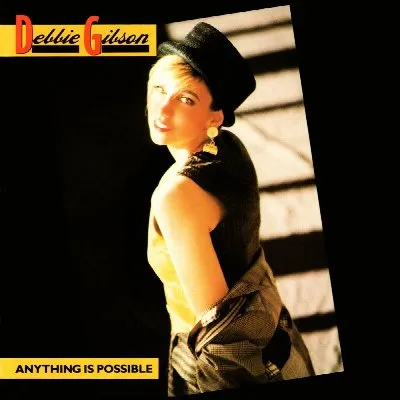
Anything Is Possible
Debbie Gibson · 1990
73 min · 16 tracks · house music
Bright dance-pop rhythms give way to expansive ballads as Debbie Gibson stretches her teen-pop sound toward adult drama.
Top tracks — play these first
-
→
Another Brick Falls Start here — establishes the sonic palette early
-
→
Anything Is Possible — The title track pairs Gibson’s buoyant dance-pop delivery with an optimistic hook, making it the album’s clearest link to her earlier radio hits.
-
→
One Step Ahead — Its brisk pop arrangement and wary romantic outlook show Gibson balancing dance-floor momentum with a more guarded point of view.
-
→
Where Have You Been? — At over six minutes, this ballad gives Gibson room to develop a searching vocal performance beyond the compact format of her singles.
-
→
This So-called Miracle — The album closes with its longest track, a ballad whose extended running time gives the record a more contemplative finish than its dance-pop opening suggests.
Elevation
Our rating, out of 100 — and why.
AI-generated from five scored dimensions. An opinion, not a measurement.
The album balances catchy melodies with varied tempos, though it doesn't stand out significantly in its genre.
What we noticed
- The first half of the album features upbeat tracks with consistent dance rhythms, while the second half introduces slower tempos and more introspective lyrics.
- Several tracks utilize layered vocal harmonies, creating a rich texture that enhances the melodic hooks.
- The title track is followed by a series of songs that incorporate varying instrumental arrangements, including synthesizers and drum machines.
- Composition 25% of the score
-
6/10
- Craft 20% of the score
-
6/10
- Durability 25% of the score
-
5/10
- Distinctiveness 18% of the score
-
5/10
- Sequencing 12% of the score
-
6/10
the writing — melody, harmony, structure, lyrics
production, performance, arrangement
whether it rewards returning to it
whether it sounds like itself
running order, pacing, length
Known within its scene. Reported but not counted — how far a record travelled describes its reception rather than the record, and a newer release has had less time to travel than an older one.
Is this for you?
Good fit if you like
- dynamic journey with emotional peaks
- uplifting anthems for self-empowerment
- playful melodies for carefree moments
- reflective ballads for introspective moods
- catchy hooks that invite singing
Maybe skip if you
- prefer immediate gratification tracks
- dislike varied emotional landscapes
Where this album fits
- In the catalog
- Breakthrough — Follow-up to her commercial breakthrough, showcasing continued success and sound.
- Themes
- 1990 teen-pop optimism· emotional brick walls· dance-pop courtship
- Career context
- Anything Is Possible was Gibson’s third studio album, following the 1989 commercial breakthrough Electric Youth. For the 1990 record, she collaborated with veteran Motown songwriter and producer Lamont Dozier while continuing to write much of her own material.
- Stylistic neighbors
- Taylor Dayne· Lisa Stansfield· Exposé
Moments worth listening for
Where the writing does something specific.
-
Anything Is Possible
The chorus repeatedly turns the title’s promise of possibility into a direct declaration.
That repetition makes the song’s optimism work as an active refrain rather than a conclusion saved for the end.
Tracklist
- 1 Another Brick Falls Start here 3:57
- 2 Anything Is Possible 3:46
- 3 Reverse Psychology 4:27
- 4 One Step Ahead 4:51
- 5 Stand Your Ground 3:50
- 6 Deep Down 4:52
- 7 It Must've Been My Boy 4:19
- 8 Lead Them Home My Dreams 5:36
- 9 One Hand, One Heart 4:36
- 10 Sure 4:18
- 11 Negative Energy 3:41
- 12 Mood Swings 3:54
- 13 Try 4:09
- 14 In His Mind 3:34
- 15 Where Have You Been? 6:08
- 16 This So-called Miracle 7:28
What to play next
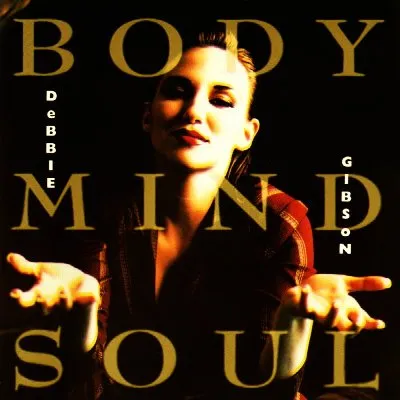
Body, Mind
1993
Continues the upbeat energy while exploring deeper themes and sounds.
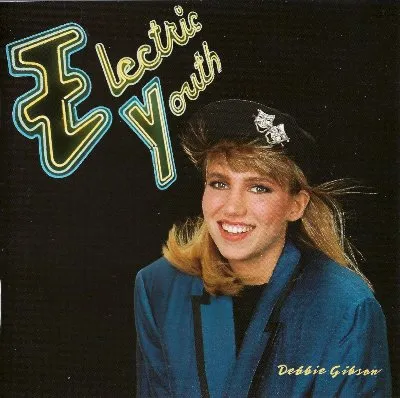
Electric Youth
1989
Sets the stage with a similar vibrant pop sound and catchy melodies.
If this landed
Records by other artists that run on the same instinct.
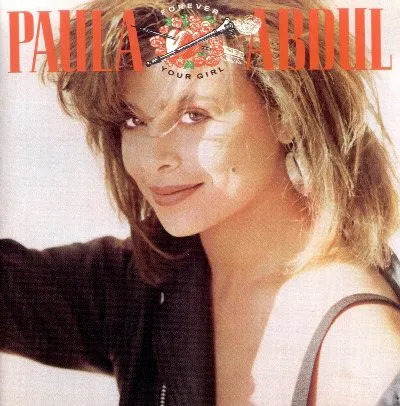
Forever Your Girl
Paula Abdul
Shares bright late-'80s dance-pop, crisp rhythmic production, and youthful songs about romantic push and pull.
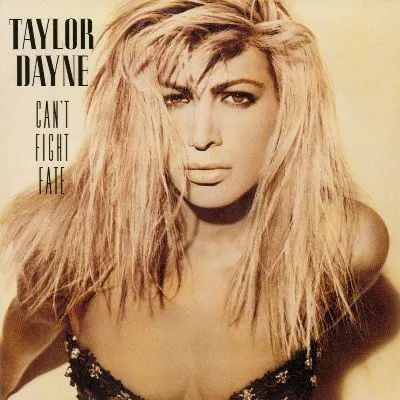
Can't Fight Fate
Taylor Dayne
Pairs upbeat dance-pop arrangements with big, emotionally direct songs about attraction and heartbreak.
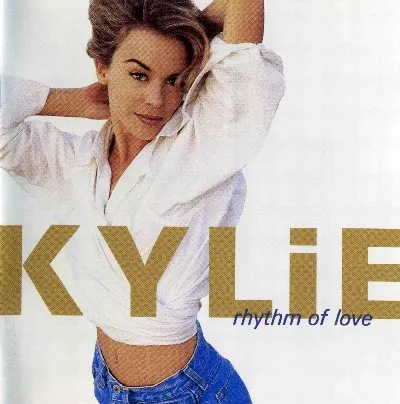
Rhythm of Love
Kylie Minogue
Leans into polished dance-pop and house textures while giving its romantic songs a more mature edge.
Reference: Wikipedia · MusicBrainz · Wikidata
Sync your library
Everything you track here works immediately — no account needed. Create one when you want to sync across devices.