

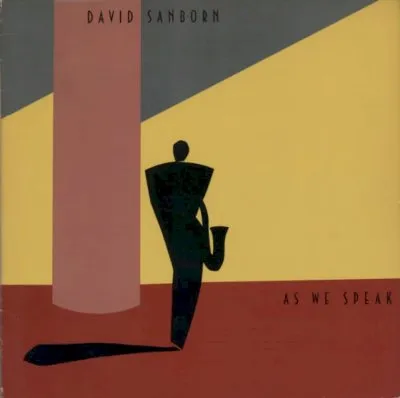
As We Speak
1981 39 min 9 tracks blues
Elevation 62 /100 FoothillsSanborn’s incisive alto lines cut through a polished jazz-fusion sound shaped by R&B rhythms and pop-minded arrangements.
Is this for you?
Good fit if you like
- smooth transitions between tracks
- short bursts of melodic warmth
- reflective moments of calmness
- engaging melodies for introspection
Maybe skip if you
- prefer heavy, driving rhythms
- want fast-paced, energetic tracks
Recommended tracks
Top tracks — play these first
-
Port of Call Start here — The opening track introduces the record’s crossover approach, setting Sanborn’s sharply articulated lead against a polished ensemble backdrop.
-
Rush Hour — Its forward momentum brings the rhythmic side of Sanborn’s fusion style into focus, with the alto cutting clearly through the arrangement.
-
As We Speak — The title track centers Sanborn’s expressive phrasing within the concise, accessible studio sound that defines the album.
-
Love Will Come Someday — The longest track gives the closing stretch more room to unfold than the album’s compact opening numbers.
Elevation
Our rating, out of 100 — and why.
AI-generated from five scored dimensions. An opinion, not a measurement. How Elevation works
The album showcases solid musicianship with engaging saxophone work but lacks a strong cohesive narrative.
What we noticed
- The first three tracks feature a consistent mid-tempo groove, while the subsequent tracks introduce varying tempos and dynamics.
- Several tracks prominently feature Sanborn's saxophone solos that are layered with smooth backing instrumentation, creating a rich sound texture.
- The album includes moments of call-and-response between the saxophone and other instruments, particularly in 'Better Believe It' and 'Rush Hour'.
- Composition 25% of the score
-
6/10
- Craft 20% of the score
-
7/10
- Durability 25% of the score
-
6/10
- Distinctiveness 18% of the score
-
6/10
- Sequencing 12% of the score
-
5/10
the writing — melody, harmony, structure, lyrics
production, performance, arrangement
whether it rewards returning to it
whether it sounds like itself
running order, pacing, length
The score is the weighted average of these five, then scaled to spread the range — the scaling never changes which of two albums scores higher.
Significant within its genre. Reported but not counted — how far a record travelled describes its reception rather than the record, and a newer release has had less time to travel than an older one.
Tracklist
- 1 Port of Call Start here 4:29
- 2 Better Believe It 3:31
- 3 Rush Hour (recommended) 4:43
- 4 Over and Over 4:12
- 5 Back Again 3:52
- 6 As We Speak (recommended) 4:17
- 7 Straight to the Heart 3:26
- 8 Rain on Christmas 4:47
- 9 Love Will Come Someday (recommended) 6:16
Where this album fits
- In the catalog
- Fan Favorite — Beloved by fans for its blend of jazz and pop elements, showcasing Sanborn's signature style.
- Themes
- rush-hour city traffic· 1981 jazz-fusion crossover
- Career context
- As We Speak followed David Sanborn’s 1981 album Voyeur, which won a Grammy for Best Jazz Fusion Performance. It continued his move toward compact, studio-crafted instrumentals after years working both as a bandleader and a sought-after session player.
- Stylistic neighbors
- Tom Scott· Michael Brecker· Stanley Turrentine
Keep listening
What to play next
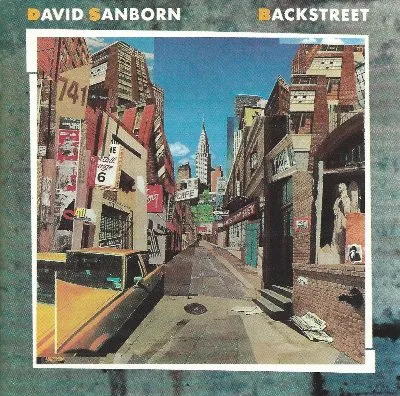
Backstreet
1982
Continues the smooth jazz vibe with a fresh energy and engaging arrangements.
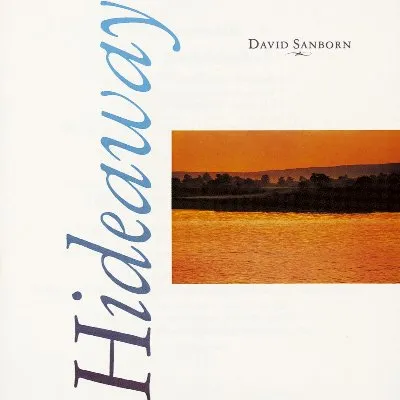
Hideaway
1987
Sets the stage with similar styles and themes, creating a seamless transition.
Related records
If this landed
Records by other artists that run on the same instinct.
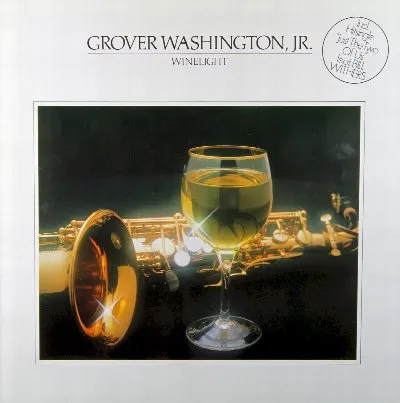
Winelight
Grover Washington, Jr.
Pairs fluid saxophone leads with polished R&B grooves in the same early-'80s jazz-pop crossover lane.
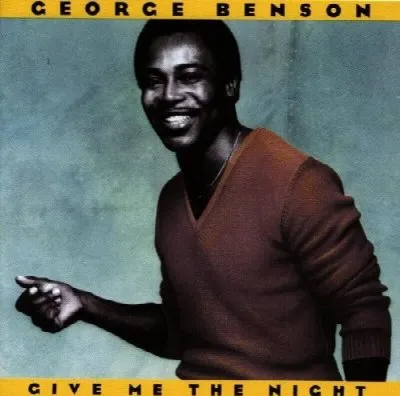
Give Me the Night
George Benson
Shares sleek city-night production, jazz phrasing, and buoyant soul-funk rhythms.
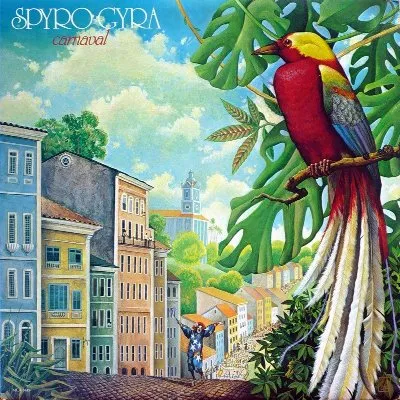
Carnaval
Spyro Gyra
Combines bright sax lines and crisp, danceable fusion grooves with a similarly urban polish.
Own the record
Some of these are affiliate links: a purchase may earn Northsound a small commission, at no cost to you. It never decides what we recommend or how we score.
Sources
The Weekly Dispatch
One record worth your time, every week — picked the way this page is.
One short email. Free, unsubscribe anytime. Read this week's.
Sync your library
Everything you track here works immediately — no account needed. Create one when you want to sync across devices.