

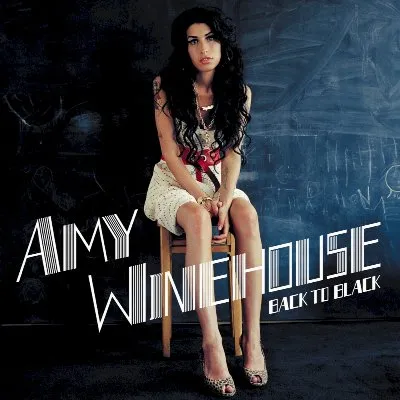
Released 20 years ago
Back to Black
Amy Winehouse · 2006
35 min · 11 tracks · contemporary R&B
Winehouse’s smoky voice cuts through girl-group grandeur and tightly wound soul rhythms with a conversational intimacy.
Top tracks — play these first
-
→
Rehab Start here — A brassy, sharply phrased refusal turns a dispute over treatment into a defiant soul single, with Winehouse’s conversational timing cutting against the polished backing.
-
→
You Know I’m No Good — Over a tense, horn-led groove, Winehouse delivers a candid account of infidelity with a knowingness that complicates any easy confession.
-
→
Back to Black — Its stately drums and dark orchestral sweep frame a breakup as a slow procession, drawing on girl-group drama without softening the vocal’s bitterness.
-
→
Tears Dry on Their Own — Built around the melody of Marvin Gaye and Tammi Terrell’s Ain’t No Mountain High Enough, it sets Winehouse’s breakup writing against an almost buoyant Motown pulse.
Elevation
Our rating, out of 100 — and why.
AI-generated from five scored dimensions. An opinion, not a measurement.
A tightly written set of character songs, distinguished by Winehouse’s phrasing and a precise, vintage-leaning arrangement; the late energy dip slightly loosens its pacing.
What we noticed
- The opening three tracks keep a clipped, swinging pulse; the title track then slows into a spacious, string-led lament.
- The original ten-track sequence closes with the brisk, horn-driven He Can Only Hold Her after Wake Up Alone and Some Unholy War have lowered the energy.
- Tears Dry on Their Own turns a repeated vocal refrain and a Motown-derived groove into the album’s sharpest lift after the title track and Love Is a Losing Game.
- Composition 25% of the score
-
9/10
- Craft 20% of the score
-
9/10
- Durability 25% of the score
-
9/10
- Distinctiveness 18% of the score
-
9/10
- Sequencing 12% of the score
-
8/10
the writing — melody, harmony, structure, lyrics
production, performance, arrangement
whether it rewards returning to it
whether it sounds like itself
running order, pacing, length
Defined its genre or moment. Reported but not counted — how far a record travelled describes its reception rather than the record, and a newer release has had less time to travel than an older one.
Is this for you?
Good fit if you like
- wry confessions beside heartbreak
- compact bursts of romantic fallout
- defiance giving way to loneliness
- a brief return to familiar
Maybe skip if you
- want untroubled romantic moods
- prefer emotional distance from relationship
Where this album fits
- In the catalog
- Breakthrough — Its global recognition established Winehouse's wider reputation and defined her signature soul-influenced sound.
- Themes
- 1960s girl-group heartbreak· infidelity confessions· rehab refusal· Motown breakup rhythms
- Career context
- Back to Black was Amy Winehouse’s second album, following her 2003 debut Frank. Working with producers Mark Ronson and Salaam Remi, she moved from Frank’s jazz-inflected sound toward arrangements indebted to 1960s soul and girl groups.
- Stylistic neighbors
- Duffy· Joss Stone· Sharon Jones & The Dap-Kings
Tracklist
- 1 Rehab Start here 3:33
- 2 You Know I’m No Good 4:16
- 3 Me & Mr Jones 2:31
- 4 Just Friends 3:11
- 5 Back to Black 4:00
- 6 Love Is a Losing Game 2:34
- 7 Tears Dry on Their Own 3:05
- 8 Wake Up Alone 3:41
- 9 Some Unholy War 2:21
- 10 He Can Only Hold Her 2:48
- 11 You Know I’m No Good 3:22
What to play next

Amy Winehouse at The BBC
2012
Hear the songs in a live setting, where her phrasing and jazz-rooted arrangements bring fresh color to the familiar s...
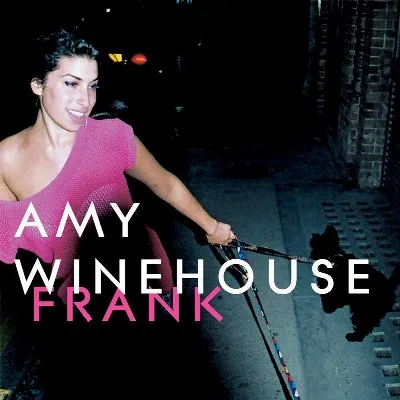
Frank
2003
It traces the jazzier, more conversational songwriting that Back to Black reshaped into a sharper soul sound.
If this landed
Records by other artists that run on the same instinct.
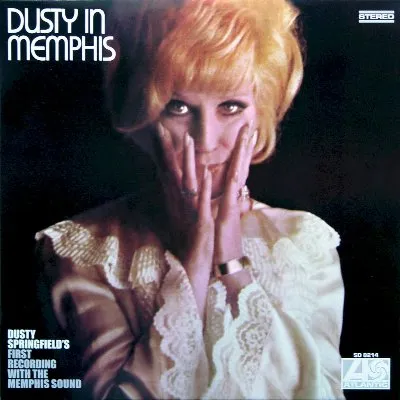
Dusty in Memphis
Dusty Springfield
Pairs a smoky, intimate vocal with 1960s soul arrangements and songs of romantic hurt.
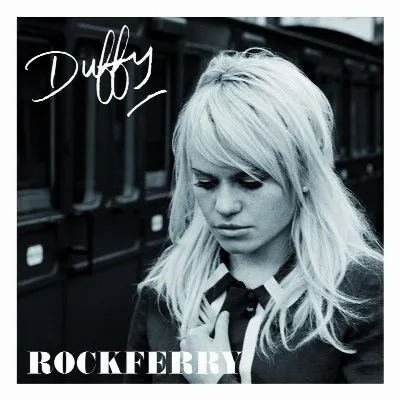
Rockferry
Duffy
Shares retro girl-group drama, husky vocals, and tightly arranged songs about heartbreak.
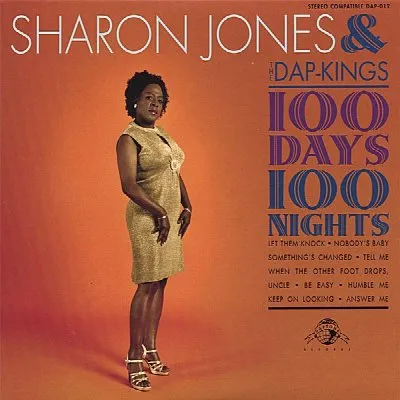
100 Days, 100 Nights
Sharon Jones & The Dap-Kings
Uses live-band vintage soul rhythms and direct breakup storytelling in a similarly warm, analog palette.
Reference: Wikipedia · MusicBrainz · Wikidata
Sync your library
Everything you track here works immediately — no account needed. Create one when you want to sync across devices.