

Elevation
Our rating, out of 100 — and why.
AI-generated from five scored dimensions. An opinion, not a measurement.
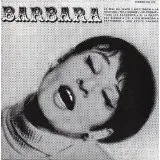
A strongly authored chanson set, with precise shifts in mood and an original twelve-track sequence that closes without the later-edition extras.
What we noticed
- The opening pair moves from the piano-led weight of “Le Mal de vivre” into the more pointed, sharply paced “Si la photo est bonne.”
- “Göttingen” arrives sixth, before “Une petite cantate”; the original twelve-track sequence then closes with “Toi” and “Tu ne te souviendras pas.”
- The catalogue’s final three tracks are later additions, so the album’s original shape is shorter than the listed fifteen-track edition.
- Composition 25% of the score
-
8/10
- Craft 20% of the score
-
8/10
- Durability 25% of the score
-
8/10
- Distinctiveness 18% of the score
-
8/10
- Sequencing 12% of the score
-
8/10
the writing — melody, harmony, structure, lyrics
production, performance, arrangement
whether it rewards returning to it
whether it sounds like itself
running order, pacing, length
Significant within its genre. Reported but not counted — how far a record travelled describes its reception rather than the record, and a newer release has had less time to travel than an older one.
Tracklist
Best experienced from track one — press play and let it unfold.
- 1 Le Mal de vivre 3:54
- 2 Si la photo est bonne 2:52
- 3 Septembre (quel joli temps) 3:46
- 4 J’ai troqué 2:12
- 5 Tous les passants 1:54
- 6 Göttingen 2:45
- 7 Toi l’homme 3:21
- 8 Une petite cantate 2:01
- 9 La Solitude 3:19
- 10 Les Mignons 2:38
- 11 Toi 1:45
- 12 Tu ne te souviendras pas 2:55
- 13 Attendez que ma joie revienne 2:47
- 14 Le Verger en Lorraine 2:09
- 15 Ce matin‐là 2:32

Reference: MusicBrainz · Wikidata
Sync your library
Everything you track here works immediately — no account needed. Create one when you want to sync across devices.