

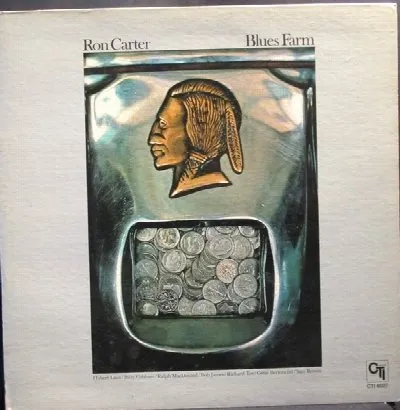
Blues Farm
Ron Carter · 1973
36 min · 6 tracks · jazz
Carter’s nimble bass lines thread through warm electric textures and supple rhythms, bringing a chamber-like intimacy to jazz fusion.
Top tracks — play these first
-
→
Blues Farm Start here — The extended title track gives Carter room to make the bass both a rhythmic anchor and a melodic voice, setting the album’s easy-moving pulse.
-
→
Django — Carter’s reading of John Lewis’s composition brings a measured lyricism to the set and connects its electric setting to an earlier jazz repertoire.
-
→
A Hymn for Him — The Charles Mingus composition provides an expansive counterweight to the shorter pieces, with its stately theme inviting the band to linger over its melodic contours.
-
→
Two-Beat Johnson — This compact track changes the album’s pace, concentrating its rhythmic play into less than three minutes.
Elevation
Our rating, out of 100 — and why.
AI-generated from five scored dimensions. An opinion, not a measurement.
InstrumentalThe album displays strong composition and distinctiveness in its jazz arrangements, though it may not be widely recognized.
What we noticed
- The album features intricate bass lines that often lead the melodies, with other instruments weaving around them.
- The arrangements include moments of call-and-response between instruments, highlighting the interplay among musicians.
- Composition 25% of the score
-
8/10
- Craft 20% of the score
-
7/10
- Durability 25% of the score
-
6/10
- Distinctiveness 18% of the score
-
7/10
- Sequencing 12% of the score
-
6/10
the writing — melody, harmony, structure, lyrics
production, performance, arrangement
whether it rewards returning to it
whether it sounds like itself
running order, pacing, length
Known within its scene. Reported but not counted — how far a record travelled describes its reception rather than the record, and a newer release has had less time to travel than an older one.
Is this for you?
Good fit if you like
- steady pacing for focused listening
- consistent flow with varied dynamics
- introspective moments of reflection
- soulful grooves for relaxed vibes
Maybe skip if you
- seek instant gratification
- prefer standalone singles
Where this album fits
- In the catalog
- Breakthrough — This album solidified Ron Carter's reputation as a solo artist after years as a sideman.
- Themes
- CTI studio fusion· bass-led chamber jazz· warm electric textures
- Career context
- Released in 1973, Blues Farm followed Carter’s years in Miles Davis’s second great quintet and his 1969 album Uptown Conversation. As a leader on Creed Taylor’s CTI label, Carter placed his bass at the center of a sound that drew on both small-group jazz and studio-era fusion.
- Stylistic neighbors
- Paul Chambers· Sam Jones· Ray Brown
Tracklist
- 1 Blues Farm Start here 8:02
- 2 A Small Ballad 5:41
- 3 Django 5:33
- 4 A Hymn for Him 8:14
- 5 Two-Beat Johnson 2:52
- 6 R2, M1 6:06
What to play next
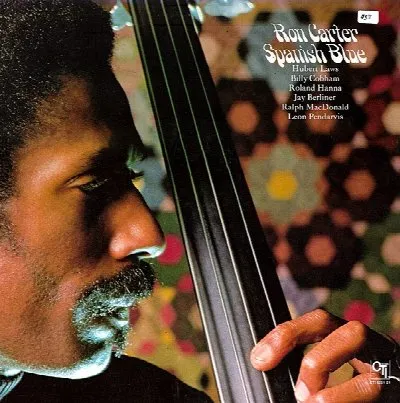
Spanish Blue
1975
Continues the post-bop exploration with rich melodies and complex arrangements.
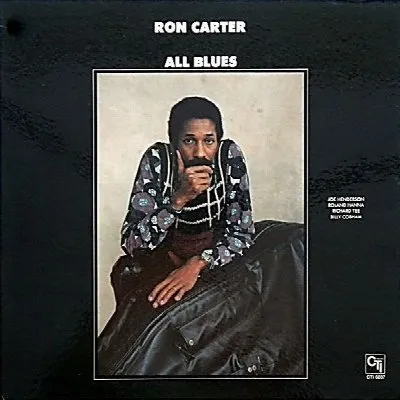
All Blues
1973
Precedes Blues Farm with a similar soulful and intricate jazz style.
If this landed
Records by other artists that run on the same instinct.
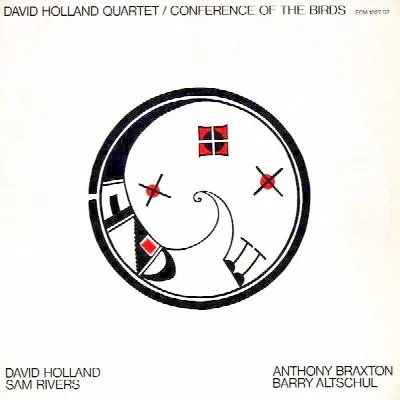
Conference of the Birds
Dave Holland
Shares a bassist-composer focus, intricate ensemble interplay, and post-bop writing that leaves room for rhythmic surprise.
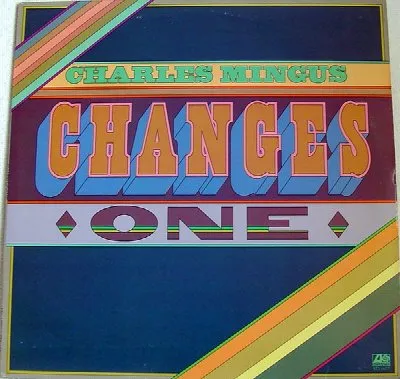
Changes One
Charles Mingus
Pairs a bandleader-bassist's melodic lines with soulful themes and tightly interlocking post-bop arrangements.
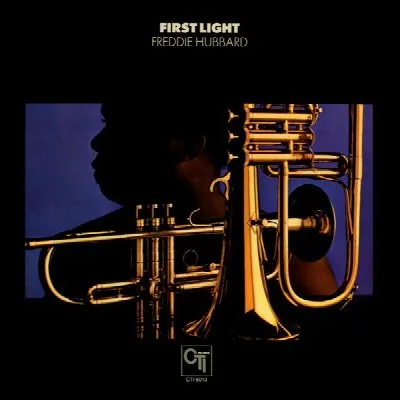
First Light
Freddie Hubbard
Shares the warm early-'70s studio sheen, soulful melodies, and layered jazz arrangements.
Reference: Wikipedia · MusicBrainz · Wikidata
Sync your library
Everything you track here works immediately — no account needed. Create one when you want to sync across devices.