

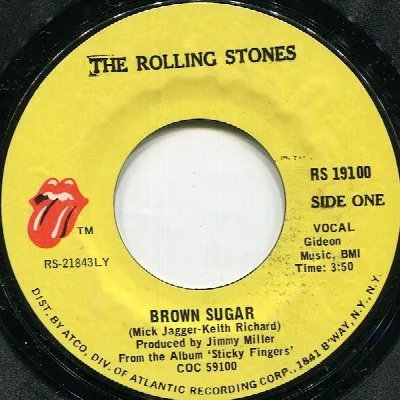
Brown Sugar
The Rolling Stones · 1971
7 min · 2 tracks · blues
A slashing guitar riff meets barroom saxophone while the flip side drives harder on brass and a tightly wound rhythm section.
Top tracks — play these first
-
→
Brown Sugar — Keith Richards’s opening guitar figure gives the song its jolt, while Bobby Keys’s saxophone solo adds a loose, brassy counterweight to its disturbing historical imagery.
-
→
Bitch — The B-side locks its clipped guitar riff to a punchy horn arrangement, turning the band’s blues-rock vocabulary into something leaner and more forceful.
Elevation
Our rating, out of 100 — and why.
AI-generated from five scored dimensions. An opinion, not a measurement.
Two forceful, riff-led songs with sharply different grooves make a strong pairing, though the A/B single format gives them little sequencing arc.
What we noticed
- “Brown Sugar” opens on a clipped guitar riff, then adds handclaps, backing voices and saxophone; the arrangement keeps returning to that riff between vocal sections.
- “Bitch” shifts to a tighter, faster guitar groove, with horn stabs answering the vocal and a brief guitar solo before the final refrain.
- Composition 25% of the score
-
7/10
- Craft 20% of the score
-
8/10
- Durability 25% of the score
-
7/10
- Distinctiveness 18% of the score
-
7/10
- Sequencing 12% of the score
-
4/10
the writing — melody, harmony, structure, lyrics
production, performance, arrangement
whether it rewards returning to it
whether it sounds like itself
running order, pacing, length
Significant within its genre. Reported but not counted — how far a record travelled describes its reception rather than the record, and a newer release has had less time to travel than an older one.
Where this album fits
- In the catalog
- Deep Cut — A prominent 1971 single from the band's established era, rather than an album that defines a catalog entry point.
- Themes
- Atlantic slave-trade imagery· plantation violence· barroom saxophone
- Career context
- Released in 1971, this single arrived as the Rolling Stones launched their own Rolling Stones Records label. Both tracks also appeared on Sticky Fingers, the band’s first studio album for the label and their first with Mick Taylor as a full-time member.
- Stylistic neighbors
- The Who· Led Zeppelin· The Doors
Moments worth listening for
Where the writing does something specific.
-
Brown Sugar
The opening verse moves from a slave ship’s arrival to violence against enslaved people before the song shifts into its repeated refrain.
That abrupt transition sets historical brutality against the release of a danceable hook, making the song’s surface excitement inseparable from its subject.
Tracklist
Best experienced from track one — press play and let it unfold.
- 1 Brown Sugar 3:50
- 2 Bitch 3:42
What to play next
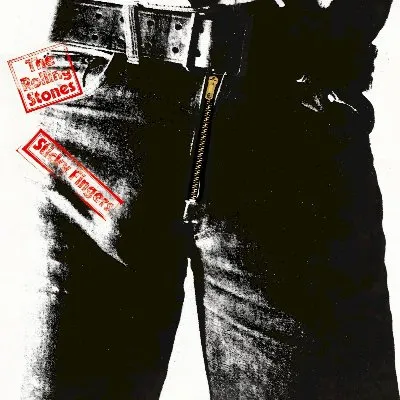
Sticky Fingers
1971
Hear the full album context for its bluesy guitar attack and loose, roots-rock groove.
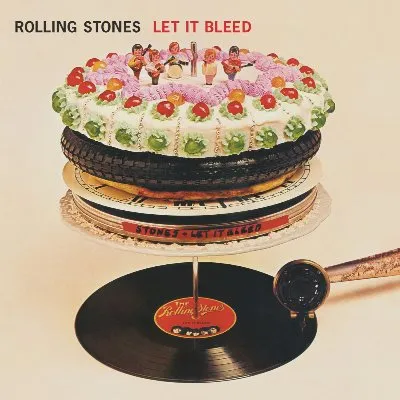
Let It Bleed
1969
Its mix of blues grit and country-inflected rock sets up the sound that carries into this era.
If this landed
Records by other artists that run on the same instinct.
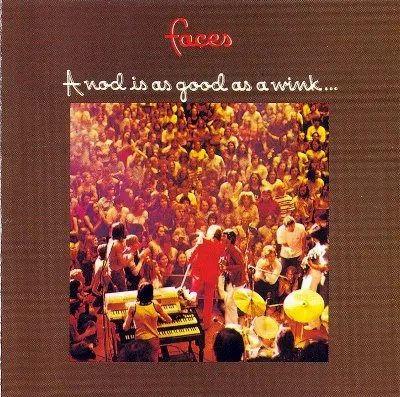
A Nod Is As Good As a Wink... to a Blind Horse
Faces
Shares the loose, barroom R&B feel, rough-edged vocals, and guitar-led swagger of early-'70s British rock.
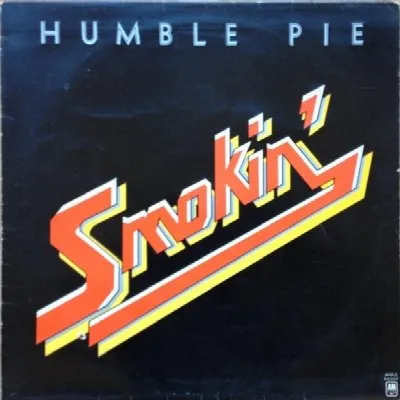
Smokin'
Humble Pie
Pairs hard, bluesy guitar riffs with a gritty, soulful vocal and a punchy rhythm section.
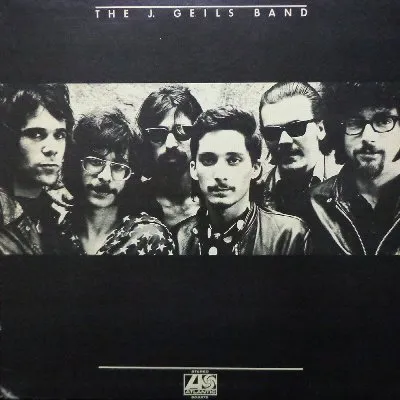
The J. Geils Band
The J. Geils Band
Brings blues riffs and tightly played R&B together with the kind of brassy, barroom energy heard in the source.
Reference: Wikipedia · MusicBrainz · Wikidata
Sync your library
Everything you track here works immediately — no account needed. Create one when you want to sync across devices.