

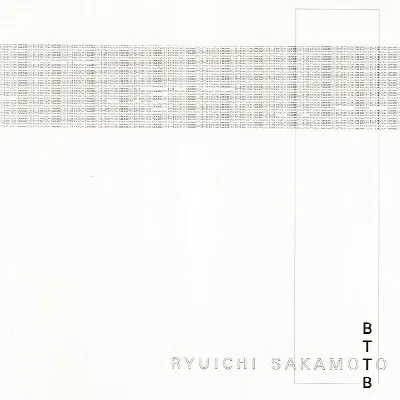
BTTB
Ryuichi Sakamoto · 1999
63 min · 16 tracks · electronic music
An intimate blend of minimalist piano motifs and ambient soundscapes that invites introspection and emotional exploration.
Top tracks — play these first
-
→
Energy Flow Start here — This track exemplifies the album's core aesthetic with its repetitive yet evolving piano lines that evoke a sense of calm and contemplation. Its minimalist structure allows for deep emotional engagement, making it an enduring favorite.
-
→
Sonatine — Sonatine stands out for its delicate interplay between melodic phrases and silence, creating an atmosphere that feels both expansive and intimate. This track captures Sakamoto's ability to convey profound emotion through simplicity.
-
→
Choral No. 1 — This piece features haunting harmonies that elevate the piano motifs to an ethereal level, showcasing Sakamoto's skill in blending traditional elements with modern compositions. It serves as a bridge between the past and present.
Elevation
Our rating, out of 100 — and why.
AI-generated from five scored dimensions. An opinion, not a measurement.
InstrumentalBTTB showcases Sakamoto's skill in blending minimalist piano with ambient elements, creating a reflective and cohesive listening experience.
What we noticed
- The album features a consistent use of minimalist piano melodies that dominate the soundscape, often accompanied by subtle ambient textures.
- Tracks like 'Energy Flow' and 'Opus' utilize repetitive motifs that evolve gradually, creating a meditative atmosphere throughout.
- Several pieces, such as 'Choral No. 1' and 'Chanson', incorporate choral elements that add depth without overwhelming the piano's central role.
- Composition 25% of the score
-
8/10
- Craft 20% of the score
-
8/10
- Durability 25% of the score
-
7/10
- Distinctiveness 18% of the score
-
7/10
- Sequencing 12% of the score
-
8/10
the writing — melody, harmony, structure, lyrics
production, performance, arrangement
whether it rewards returning to it
whether it sounds like itself
running order, pacing, length
Significant within its genre. Reported but not counted — how far a record travelled describes its reception rather than the record, and a newer release has had less time to travel than an older one.
Is this for you?
Good fit if you like
- wave-like pacing with resolution
- deep introspection during quiet moments
- serene background for focused work
- dynamic exploration of emotional depth
Maybe skip if you
- seeking high-energy tracks
- prefer straightforward, upbeat melodies
Where this album fits
- In the catalog
- Critical Peak — BTTB showcases Sakamoto's innovative approach, marking a high point in his artistic evolution.
- Themes
- minimalist piano landscapes· intimate reflections· serene electronic textures
- Career context
- BTTB marked a significant moment in Ryuichi Sakamoto's career as it was his first album released after his Grammy-winning work on the soundtrack for The Last Emperor. By 1999, Sakamoto had firmly established himself as a pivotal figure in electronic and experimental music, following groundbreaking releases like Left Handed Dream and Beauty. This album showcases his transition towards more personal and reflective compositions.
- Stylistic neighbors
- Brian Eno· Alva Noto· Tangerine Dream
Tracklist
- 1 Energy Flow Start here 4:34
- 2 Put Your Hands Up (piano version) 4:53
- 3 Railroad Man (piano version) 4:42
- 4 Opus 4:25
- 5 Sonatine 3:38
- 6 Intermezzo 3:44
- 7 Lorenz and Watson 3:57
- 8 Choral No. 1 2:27
- 9 Choral No. 2 2:05
- 10 Bachata 8:14
- 11 Chanson 2:24
- 12 Prelude 4:07
- 13 Uetax 0:26
- 14 Aqua 4:29
- 15 Tong Poo 5:05
- 16 Reversing 3:56
What to play next
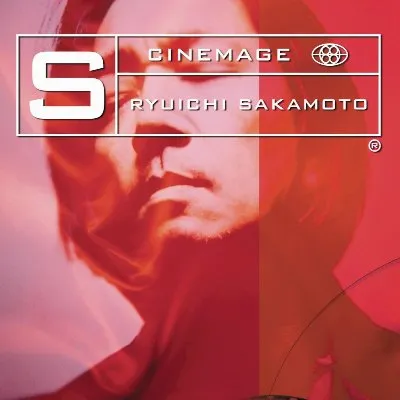
Cinemage
1999
Continues the reflective piano style with added orchestral elements.

Sweet Revenge
1998
Sets a similar introspective mood leading into BTTB.
If this landed
Records by other artists that run on the same instinct.
Sleep
Max Richter
Shares intimate piano motifs with serene electronic textures for deep contemplation.
Re:member
Ólafur Arnalds
Combines minimalist piano with lush electronic elements, evoking introspection and tranquility.
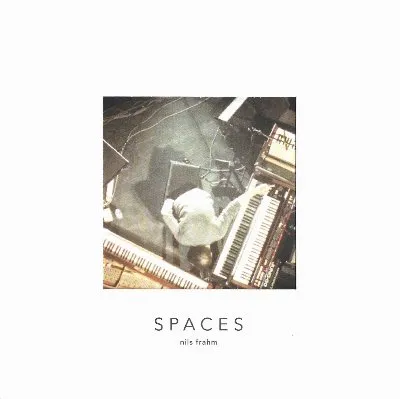
Spaces
Nils Frahm
Explores a similar blend of acoustic piano and ambient soundscapes, fostering reflective listening.
Reference: Wikipedia · MusicBrainz · Wikidata
Sync your library
Everything you track here works immediately — no account needed. Create one when you want to sync across devices.