

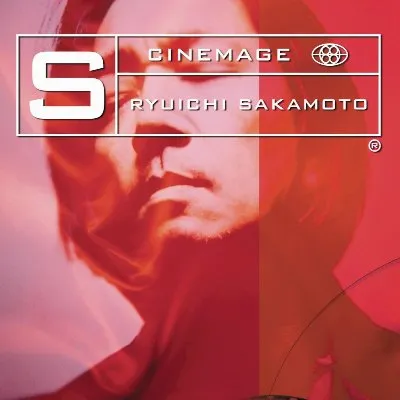
Cinemage
Ryuichi Sakamoto · 1999
48 min · 6 tracks · electronic music
A lush blend of orchestral arrangements and electronic textures, bridging the gap between film scoring and avant-garde experimentation.
Top tracks — play these first
-
→
Forbidden Colours Start here — This track stands out for its haunting melody paired with minimalist instrumentation, reflecting Sakamoto's skill in creating emotional depth through simplicity.
-
→
The Last Emperor — As the title track from his Oscar-winning score, it encapsulates Sakamoto's signature blend of classical and electronic elements, serving as a poignant reminder of his cinematic roots.
-
→
Little Buddha — This piece intertwines Eastern musical motifs with ambient sounds, showcasing Sakamoto's ability to evoke a sense of place and spirituality through sound.
-
→
Wuthering Heights — An interpretation of Emily Brontë's classic novel through music, this track uses dynamic contrasts to convey the tumultuous emotions of its characters.
Elevation
Our rating, out of 100 — and why.
AI-generated from five scored dimensions. An opinion, not a measurement.
InstrumentalCinemage blends orchestral and electronic elements effectively, creating a cohesive and atmospheric listening experience.
What we noticed
- The album features six tracks, each blending orchestral arrangements with electronic textures, creating a cinematic atmosphere.
- Tracks like 'Forbidden Colours' and 'The Last Emperor' utilize lush strings alongside synthesized sounds, emphasizing emotional resonance.
- Each piece maintains a slow to mid-tempo pace, allowing for gradual development of themes without abrupt transitions.
- Composition 25% of the score
-
8/10
- Craft 20% of the score
-
7/10
- Durability 25% of the score
-
6/10
- Distinctiveness 18% of the score
-
7/10
- Sequencing 12% of the score
-
8/10
the writing — melody, harmony, structure, lyrics
production, performance, arrangement
whether it rewards returning to it
whether it sounds like itself
running order, pacing, length
Significant within its genre. Reported but not counted — how far a record travelled describes its reception rather than the record, and a newer release has had less time to travel than an older one.
Is this for you?
Good fit if you like
- cinematic soundscapes for daydreaming
- gradual builds towards emotional climax
- evocative melodies for reflective moments
- long-form listening for deep focus
Maybe skip if you
- seeking short, instant gratification
- prefer upbeat, energetic tracks
Where this album fits
- In the catalog
- Critical Peak — Showcases Sakamoto's innovative fusion of orchestral and electronic music, highlighting his artistic vision.
- Themes
- cinematic soundscapes· minimalist orchestration
- Career context
- Cinemage marks Ryuichi Sakamoto's exploration of cinematic soundscapes after his rise to fame in the 1980s with Yellow Magic Orchestra. By 1999, he was already an established composer known for blending traditional Japanese music with contemporary electronic elements, having won an Academy Award for Best Original Score for The Last Emperor in 1988.
- Stylistic neighbors
- Brian Eno· Alva Noto· Tangerine Dream
Tracklist
- 1 Forbidden Colours Start here 4:48
- 2 The Last Emperor 5:17
- 3 Little Buddha 8:48
- 4 Wuthering Heights 7:03
- 5 Replica 4:50
- 6 El Mar Mediterrani 17:16
What to play next
BTTB
1999
Continues the atmospheric blend with deeper emotional and orchestral explorations.

Sweet Revenge
1998
Precedes Cinemage with a similar mix of electronic and orchestral elements.
If this landed
Records by other artists that run on the same instinct.
Sleep
Max Richter
Shares a cinematic quality with minimalist orchestration and evocative soundscapes.
Re:member
Ólafur Arnalds
Combines lush orchestral elements with electronic textures, creating immersive soundscapes.
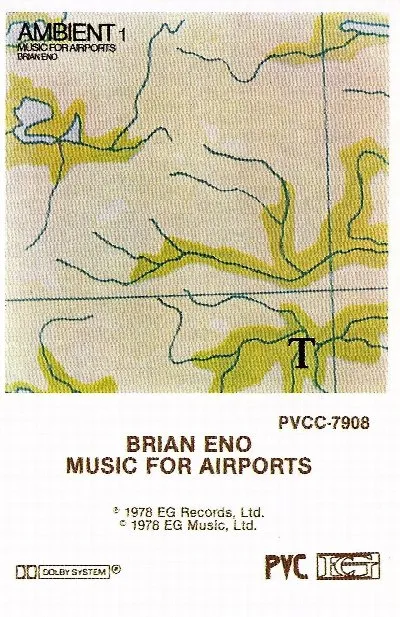
Ambient 1: Music for Airports
Brian Eno
Explores atmospheric soundscapes with minimalism and an emphasis on mood and texture.
Reference: Wikipedia · MusicBrainz · Wikidata
Sync your library
Everything you track here works immediately — no account needed. Create one when you want to sync across devices.