

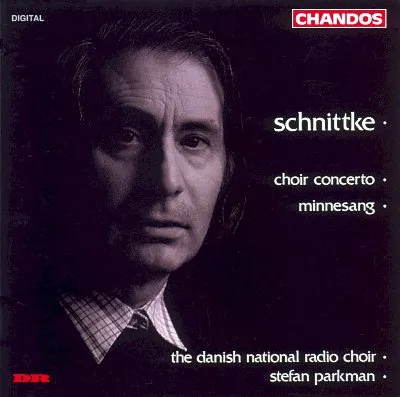
Elevation
Our rating, out of 100 — and why.
AI-generated from five scored dimensions. An opinion, not a measurement.
The concentrated a cappella writing and four-part arc give the program a strong identity, though its two separate works make the sequence less unified than a single composed cycle.
What we noticed
- The short Minnesang comes first; the four-movement Choir Concerto then occupies the bulk of the program, giving the album a compact prelude followed by an extended work.
- The Choir Concerto is written for unaccompanied choir, using sustained vocal chords and shifting dissonances rather than instrumental backing.
- The concerto’s four movements proceed as a continuous sequence, while Minnesang remains a separate opening piece rather than a movement within it.
- Composition 25% of the score
-
8/10
- Craft 20% of the score
-
8/10
- Durability 25% of the score
-
7/10
- Distinctiveness 18% of the score
-
8/10
- Sequencing 12% of the score
-
7/10
the writing — melody, harmony, structure, lyrics
production, performance, arrangement
whether it rewards returning to it
whether it sounds like itself
running order, pacing, length
Significant within its genre. Reported but not counted — how far a record travelled describes its reception rather than the record, and a newer release has had less time to travel than an older one.
Tracklist
Best experienced from track one — press play and let it unfold.
- 1 Minnesang 15:12
- 2 Choir Concerto: I. “O pavelitel’ sushcheva fsevo” 17:19
- 3 Choir Concerto: II. “Sabran’ je pesen sikh, gde kazhdyi stikh” 7:55
- 4 Choir Concerto: III. “Fsem tem, kto vniknet fsushchnast” 13:01
- 5 Choir Concerto: IV. “Sej trud, shto nachinal ja supavan’ jem” 5:09
What to play next
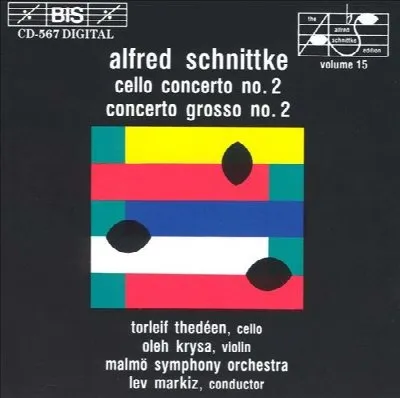
The Alfred Schnittke Edition, Volume 15: Cello Concerto no. 2 / Concerto Grosso no. 2
1992
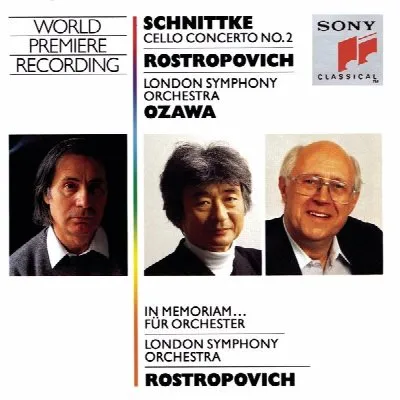
Cello Concerto no. 2 / In memoriam...
1992
Reference: MusicBrainz
Sync your library
Everything you track here works immediately — no account needed. Create one when you want to sync across devices.