

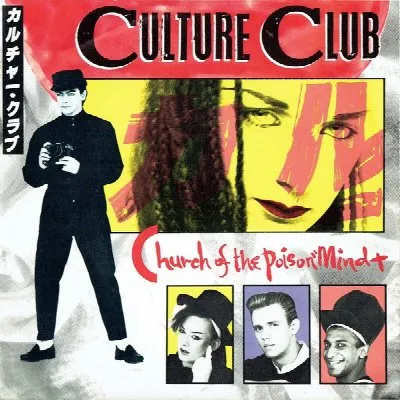
Church of the Poison Mind
Culture Club · 1983
7 min · 2 tracks · pop music
A Motown-charged beat drives harmonica and gospel-inflected backing vocals through sharply polished British pop.
Top tracks — play these first
-
→
Church of the Poison Mind — A quick-stepping soul beat and harmonica give the single its propulsion, while Helen Terry’s backing vocal provides a striking counterweight to the lead.
-
→
Mystery Boy — The B-side offers a contrast to the A-side’s brassier soul-pop drive, placing Culture Club’s melodic writing in a more electronic setting.
Elevation
Our rating, out of 100 — and why.
AI-generated from five scored dimensions. An opinion, not a measurement.
The single showcases strong melodies and production but lacks depth for lasting engagement.
What we noticed
- The lead vocal is supported by layered harmonies that create a rich texture, particularly in the chorus.
- The song features a prominent synth line that drives the melody, while the rhythm section maintains a steady dance beat.
- The second track, 'Mystery Boy', shifts to a more subdued tempo and introduces a different vocal style, contrasting with the energetic first track.
- Composition 25% of the score
-
6/10
- Craft 20% of the score
-
7/10
- Durability 25% of the score
-
5/10
- Distinctiveness 18% of the score
-
6/10
- Sequencing 12% of the score
-
4/10
the writing — melody, harmony, structure, lyrics
production, performance, arrangement
whether it rewards returning to it
whether it sounds like itself
running order, pacing, length
Known within its scene. Reported but not counted — how far a record travelled describes its reception rather than the record, and a newer release has had less time to travel than an older one.
Where this album fits
- In the catalog
- Breakthrough — This single solidified Culture Club's commercial success and recognition in the U.S.
- Themes
- unrequited love· 1980s societal expectations· new wave rebellion
- Career context
- Released in April 1983, this single followed Culture Club’s breakthrough debut album Kissing to Be Clever. Its lead track introduced the sound of their second album, Colour by Numbers, which arrived later that year.
- Stylistic neighbors
- Duran Duran· Spandau Ballet· Soft Cell
Moments worth listening for
Where the writing does something specific.
-
Church of the Poison Mind
The refrain repeatedly returns to the song’s church metaphor after verses that address a troubled relationship.
The recurring religious image gives the verses an uneasy ceremonial frame without spelling out a literal doctrine.
Tracklist
Best experienced from track one — press play and let it unfold.
- 1 Church of the Poison Mind 3:30
- 2 Mystery Boy 3:33
What to play next
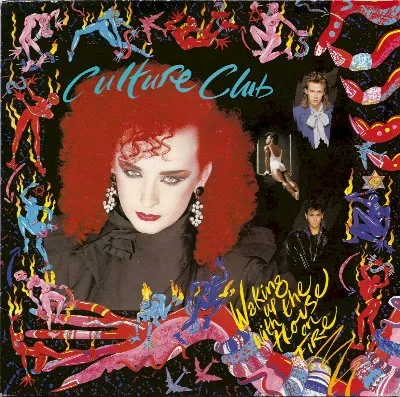
Waking Up with the House on Fire
1984
Continues the vibrant pop sound with a fresh energy and catchy melodies.
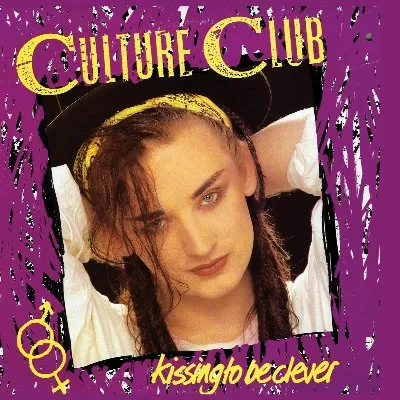
Kissing to Be Clever
1982
Introduces the early sound and themes that lead into the more polished style of this album.
If this landed
Records by other artists that run on the same instinct.
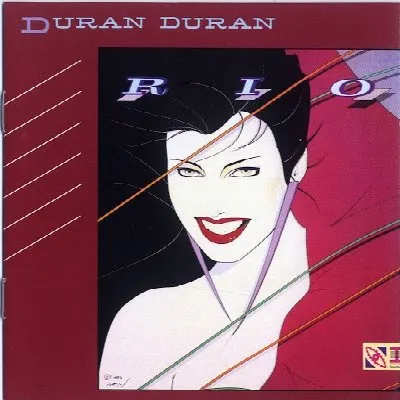
Rio
Duran Duran
Shares vibrant pop sensibilities and a similar fusion of new wave with danceable grooves.
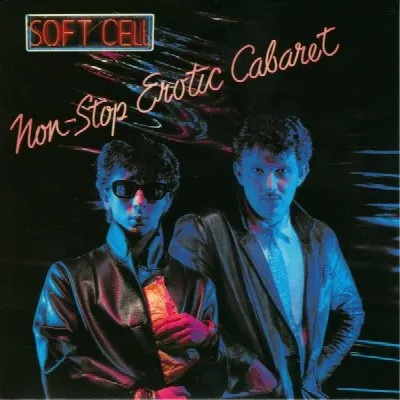
Non-Stop Erotic Cabaret
Soft Cell
Explores themes of love and societal expectations with catchy hooks and synth-driven production.
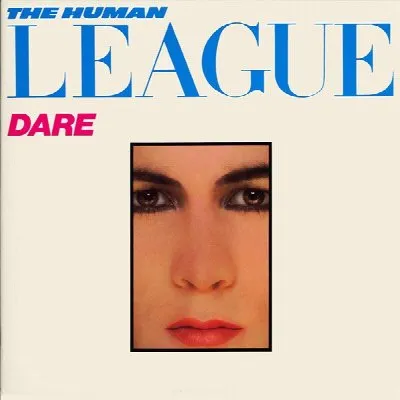
Dare
The Human League
Combines emotive vocals and electronic textures, addressing personal and social themes in an upbeat manner.
Reference: Wikipedia · MusicBrainz · Wikidata
Sync your library
Everything you track here works immediately — no account needed. Create one when you want to sync across devices.