

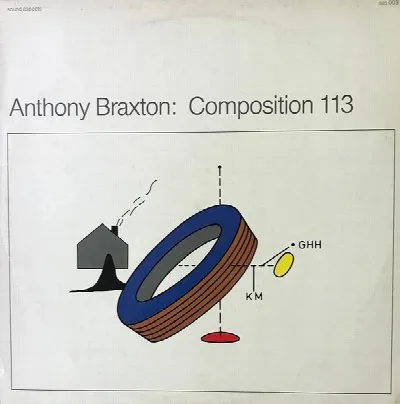
Composition 113
Anthony Braxton · 1984
37 min · 6 tracks · jazz
Braxton’s composition unfolds across six sections as a sustained piece of adventurous contemporary music.
Top tracks — play these first
-
→
Composition 113: Section 1 Start here — The opening section is the entry point to a composition divided across the album rather than a collection of separate songs.
-
→
Composition 113: Section 3 — This section brings the first half of the six-part sequence to a close, offering a useful point from which to hear the work’s larger shape.
-
→
Composition 113: Section 6 — The final section completes the sequence and is best heard in relation to the material that precedes it.
Elevation
Our rating, out of 100 — and why.
AI-generated from five scored dimensions. An opinion, not a measurement.
InstrumentalThe album showcases strong compositional structure and improvisational depth, making it distinctive within the jazz genre.
What we noticed
- Each section of the composition is distinctly structured, with varying instrumentation and thematic development across the six tracks.
- The album features a continuous flow between sections, creating a cohesive narrative that evolves rather than presenting standalone pieces.
- Improvisation plays a significant role, with musicians frequently diverging from written material to explore spontaneous musical ideas.
- Composition 25% of the score
-
8/10
- Craft 20% of the score
-
7/10
- Durability 25% of the score
-
6/10
- Distinctiveness 18% of the score
-
8/10
- Sequencing 12% of the score
-
9/10
the writing — melody, harmony, structure, lyrics
production, performance, arrangement
whether it rewards returning to it
whether it sounds like itself
running order, pacing, length
Known within its scene. Reported but not counted — how far a record travelled describes its reception rather than the record, and a newer release has had less time to travel than an older one.
Is this for you?
Good fit if you like
- patient exploration of soundscapes
- immersive listening for focused attention
- structured yet unpredictable compositions
- thoughtful engagement with each section
Maybe skip if you
- prefer straightforward, catchy tunes
- want quick, digestible tracks
Where this album fits
- In the catalog
- Deep Cut — A solid entry in Braxton's catalog, but not widely recognized or a primary entry point.
- Themes
- structured improvisation· avant-garde dissonance· melodic complexity
- Career context
- Released in 1984, Composition 113 came after Anthony Braxton’s 1970s recordings for Arista, including New York, Fall 1974 and Creative Orchestra Music 1976. It belongs to a period in which he continued to develop a numbered catalog of compositions alongside his work as an improviser.
- Stylistic neighbors
- Ornette Coleman· Sun Ra· Henry Threadgill
Tracklist
- 1 Composition 113: Section 1 Start here 7:47
- 2 Composition 113: Section 2 7:27
- 3 Composition 113: Section 3 5:07
- 4 Composition 113: Section 4 6:47
- 5 Composition 113: Section 5 5:35
- 6 Composition 113: Section 6 4:45
What to play next
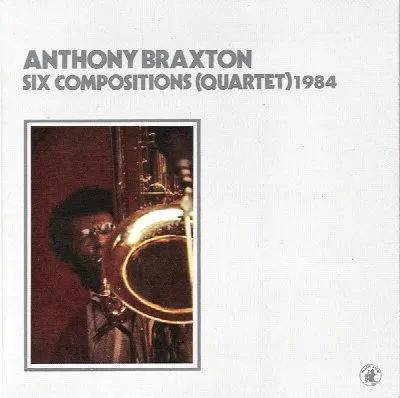
Six Compositions
1984
Continues the experimental approach with similar instrumentation and structure.
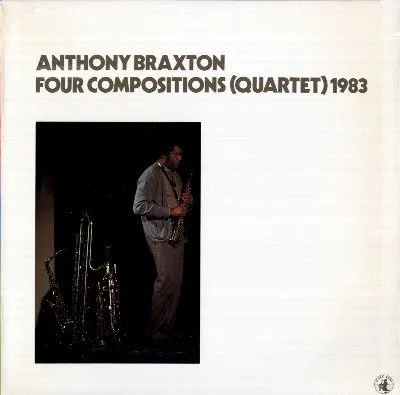
Four Compositions (Quartet) 1983
1983
Sets the stage for the innovations explored in Composition 113.
If this landed
Records by other artists that run on the same instinct.
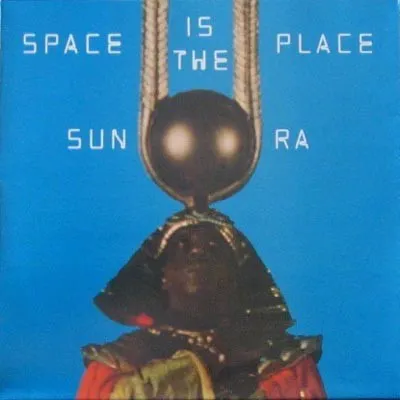
Space Is the Place
Sun Ra
Explores avant-garde jazz with complex arrangements and cosmic themes, merging structure with improvisation.
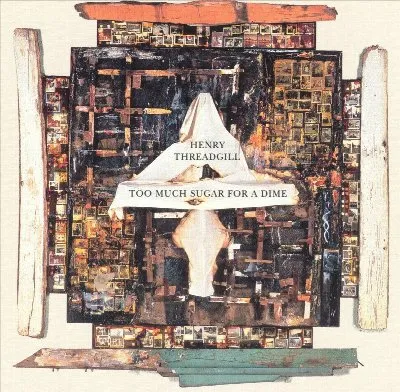
Too Much Sugar for a Dime
Henry Threadgill
Combines intricate melodic lines with dissonance, showcasing structured improvisation in a unique way.
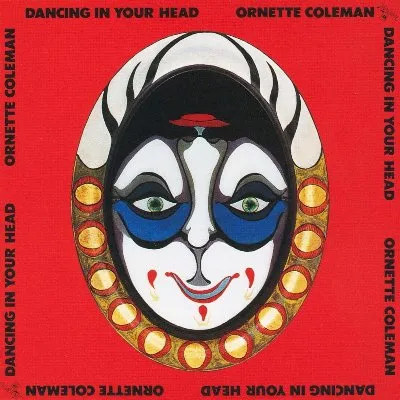
Dancing in Your Head
Ornette Coleman
Features avant-garde approaches to melody and rhythm, emphasizing improvisational complexity within structured forms.
Reference: Wikipedia · MusicBrainz · Wikidata
Sync your library
Everything you track here works immediately — no account needed. Create one when you want to sync across devices.