

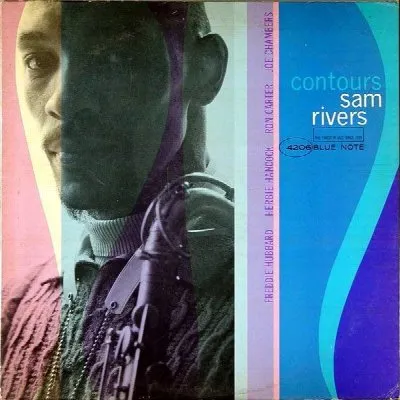
Contours
1967 49 min 5 tracks jazz
Elevation 73 /100 TreelineSam Rivers’ tenor saxophone cuts through a lean quintet sound where Freddie Hubbard’s trumpet can turn a sharply drawn theme into open-ended conversation.
Is this for you?
Good fit if you like
- five extended, title-led explorations
- side-by-side alternate-take listening
- unhurried attention to shifting ideas
Maybe skip if you
- want quick, sharply separated songs
- prefer concise tracks without alternate
Recommended tracks
Top tracks — play these first
-
Point of Many Returns Start here — The opening piece sets Rivers’ tenor against Hubbard’s trumpet, establishing the tension between composed ensemble writing and the players’ searching solos.
-
Dance of the Tripedal — Its angular theme and shifting pulse give the quintet a framework that feels unsettled even as the musicians stay closely attuned to one another.
-
Euterpe — A more spacious piece that gives Rivers room to develop his ideas at length, with Hancock and the rhythm section contributing to the changing texture.
-
Mellifluous Cacophony — The closing composition’s contrasting forces are there in the title: ensemble definition gives way to a freer exchange without abandoning the piece’s underlying shape.
Elevation
Our rating, out of 100 — and why.
AI-generated from five scored dimensions. An opinion, not a measurement. How Elevation works
InstrumentalContours showcases strong improvisational skills and unique structures, making it distinct yet somewhat niche in its appeal.
What we noticed
- The album features extended improvisations, with each track allowing for significant exploration of themes and motifs.
- The first track opens with a complex interplay between the saxophone and piano, establishing a conversational dynamic that persists throughout.
- Composition 25% of the score
-
7/10
- Craft 20% of the score
-
8/10
- Durability 25% of the score
-
6/10
- Distinctiveness 18% of the score
-
8/10
- Sequencing 12% of the score
-
5/10
the writing — melody, harmony, structure, lyrics
production, performance, arrangement
whether it rewards returning to it
whether it sounds like itself
running order, pacing, length
The score is the weighted average of these five, then scaled to spread the range — the scaling never changes which of two albums scores higher.
Significant within its genre. Reported but not counted — how far a record travelled describes its reception rather than the record, and a newer release has had less time to travel than an older one.
Tracklist
- 1 Point of Many Returns Start here 9:23
- 2 Dance of the Tripedal (recommended) 10:10
- 3 Euterpe (recommended) 11:46
- 4 Mellifluous Cacophony (recommended) 9:00
- 5 Mellifluous Cacophony (alternate take) 9:04
Where this album fits
- In the catalog
- Critical Peak — A defining early statement that brings his post-bop writing into freer, more exploratory ensemble interplay.
- Themes
- angular horn dialogue· shifting quintet pulse· 1960s post-bop experimentation
- Career context
- Recorded in 1965 and released in 1967, Contours was Rivers’ second album as a leader for Blue Note, following Fuchsia Swing Song. He brought together trumpeter Freddie Hubbard, pianist Herbie Hancock, bassist Ron Carter and drummer Joe Chambers for a quintet session that extended his exploratory approach to composition.
- Stylistic neighbors
- Anthony Braxton· Ornette Coleman· Archie Shepp
Keep listening
What to play next
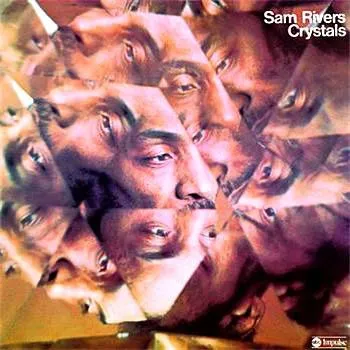
Crystals
1974
It expands Contours’ restless improvisation into larger, more orchestral free-jazz textures.
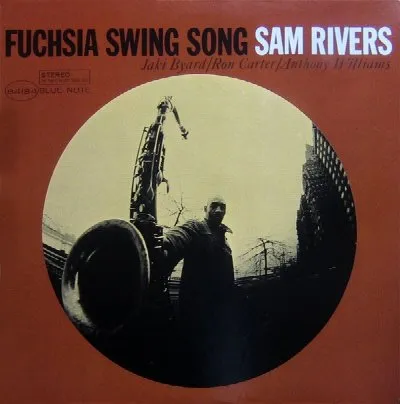
Fuchsia Swing Song
1965
Its more grounded post-bop setting makes a natural lead-in to Contours’ freer quartet interplay.
Related records
If this landed
Records by other artists that run on the same instinct.
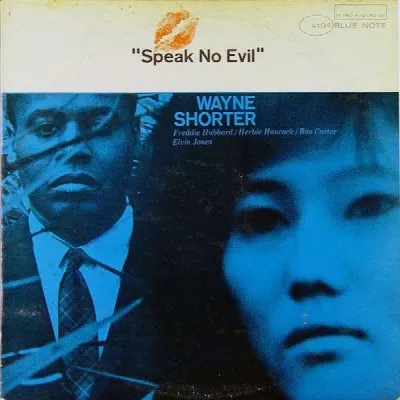
Speak No Evil
Wayne Shorter
Pairs sharply contoured themes with open horn interplay and the same exploratory Blue Note quintet language.
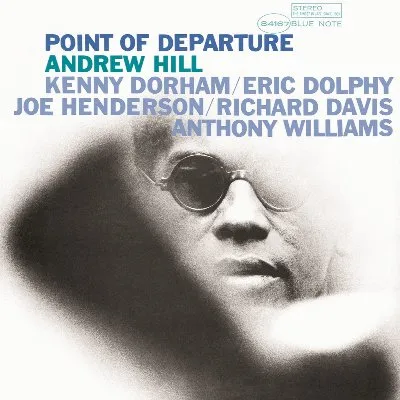
Point of Departure
Andrew Hill
Its angular compositions and shifting ensemble pulse push 1960s post-bop toward open-ended group dialogue.
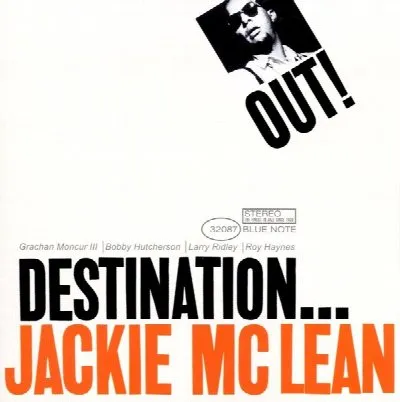
Destination... Out!
Jackie McLean
Shares the lean, adventurous quintet sound, with restless horn lines moving through unsettled rhythmic patterns.
Own the record
Some of these are affiliate links: a purchase may earn Northsound a small commission, at no cost to you. It never decides what we recommend or how we score.
Sources
The Weekly Dispatch
One record worth your time, every week — picked the way this page is.
One short email. Free, unsubscribe anytime. Read this week's.
Sync your library
Everything you track here works immediately — no account needed. Create one when you want to sync across devices.