


Released 25 years ago this November
Dead Can Dance (1981–1998)
2001 325 min 67 tracks world music
Elevation 73 /100 TreelinePost-punk shadows give way to ceremonial percussion and voices that seem to rise from vast stone chambers.
Is this for you?
Good fit if you like
- wave-like pacing with peaks
- haunting vocal explorations
- immersive journey through sound
- reflective moments of solitude
- dynamic contrasts in emotion
Maybe skip if you
- seeking instant gratification
- prefer straightforward song structures
Recommended tracks
Top tracks — play these first
-
Frontier (demo) — This early demo puts the band’s post-punk origins in focus, with a leaner attack than the ornate arrangements that would follow.
-
Cantara — Insistent percussion and Gerrard’s soaring vocal build a ritualistic intensity that shows how far the duo had moved from conventional rock song structures.
-
The Host of Seraphim — Gerrard’s wordless lament unfolds over a slow-moving instrumental backdrop, giving the compilation one of its most solemn and spacious passages.
-
The Ubiquitous Mr. Lovegrove — Perry’s measured vocal and the track’s persistent groove bring a more grounded, song-centered counterpoint to the collection’s ceremonial music.
Elevation
Our rating, out of 100 — and why.
AI-generated from five scored dimensions. An opinion, not a measurement. How Elevation works
This compilation showcases Dead Can Dance's unique sound but lacks the cohesive narrative of a studio album.
What we noticed
- Several tracks feature layered vocals and instrumentation that create a dense, immersive soundscape, particularly evident in 'The Host of Seraphim' and 'Yulunga'.
- The running time exceeds two hours, with many tracks blending seamlessly into one another, enhancing the overall ethereal experience.
- Composition 25% of the score
-
7/10
- Craft 20% of the score
-
8/10
- Durability 25% of the score
-
6/10
- Distinctiveness 18% of the score
-
8/10
- Sequencing 12% of the score
-
5/10
the writing — melody, harmony, structure, lyrics
production, performance, arrangement
whether it rewards returning to it
whether it sounds like itself
running order, pacing, length
The score is the weighted average of these five, then scaled to spread the range — the scaling never changes which of two albums scores higher.
Known within its scene. Reported but not counted — how far a record travelled describes its reception rather than the record, and a newer release has had less time to travel than an older one.
Tracklist
Best experienced from track one — press play and let it unfold.
Disc 1
- 1 Frontier (demo) (recommended) 3:00
- 2 Labour of Love (radio) 3:56
- 3 Ocean (radio) 3:38
- 4 Orion (radio) 3:28
- 5 Threshold (radio) 4:10
- 6 Carnival of Light (radio) 3:18
- 7 In Power We Entrust the Love Advocated 4:07
- 8 De profundis (Out of the Depths of Sorrow) 3:59
- 9 Avatar 4:35
- 10 Enigma of the Absolute 4:15
- 11 Summoning of the Muse 4:58
- 12 Anywhere Out of the World 5:08
- 13 Windfall 3:32
- 14 Cantara (recommended) 5:58
- 15 In the Kingdom of the Blind the One‐Eyed Are Kings 4:12
- 16 Bird 5:00
- 17 The Protagonist 8:54
Disc 2
- 1 Severance 3:23
- 2 The Host of Seraphim (recommended) 6:19
- 3 Song of Sophia 1:28
- 4 The Arrival & the Reunion 1:41
- 5 Black Sun 4:58
- 6 The Promised Womb 3:26
- 7 Saltarello 2:37
- 8 The Song of the Sibyl 3:46
- 9 Spirit 5:01
- 10 Yulunga 6:56
- 11 The Ubiquitous Mr. Lovegrove (recommended) 4:35
- 12 Sloth (radio) 2:40
- 13 Bylar 6:42
- 14 The Carnival Is Over 5:45
- 15 The Spider’s Stratagem 6:42
- 16 The Wind That Shakes the Barley (radio) 2:32
- 17 How Fortunate the Man With None 9:09
Disc 3
- 1 I Can See Now 2:56
- 2 American Dreaming 4:29
- 3 Tristan 1:48
- 4 Sanvean 3:46
- 5 Rakim 5:39
- 6 Gloridean 5:51
- 7 Don’t Fade Away 5:10
- 8 Nierika 5:45
- 9 Song of the Nile 8:01
- 10 Sambatiki 7:31
- 11 Indus 9:24
- 12 The Snake & the Moon (edit) 4:13
- 13 The Lotus Eaters 6:43
Disc 4
- 1 [opening credits] 0:13
- 2 Rakim 7:53
- 3 Song of the Sibyl 5:28
- 4 I Can See Now 2:51
- 5 American Dreaming 6:13
- 6 Cantara (recommended) 6:31
- 7 The Wind That Shakes the Barley 3:16
- 8 I Am Stretched on Your Grave 5:54
- 9 Desert Song 5:33
- 10 Oman 6:14
- 11 Gloridean 6:30
- 12 Tristan 1:49
- 13 Sanvean 4:00
- 14 Don’t Fade Away 5:46
- 15 [closing credits] 2:18
- 16 The Host of Seraphim (recommended) 7:07
- 17 The Protagonist 8:07
- 18 Frontier 3:03
- 19 The Carnival Is Over 4:31
- 20 Yulunga (Spirit Dance) 6:55
Where this album fits
- In the catalog
- Breakthrough — This compilation rekindled interest and brought renewed attention to their music.
- Themes
- ceremonial drum rhythms· cathedral-scale lament· world-folk ritual
- Career context
- Released in 2001, this retrospective arrived after Brendan Perry and Lisa Gerrard had dissolved Dead Can Dance in 1998. It follows their studio albums from the early 1980s through 1996’s Spiritchaser, alongside demos, radio recordings and live material.
- Stylistic neighbors
- This Mortal Coil· Cocteau Twins· Lisa Gerrard
Keep listening
What to play next
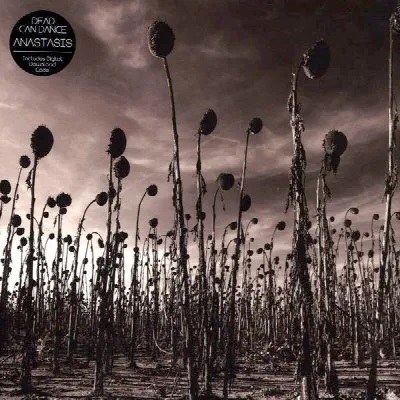
Anastasis
2012
Continues the ethereal and world music themes with a modern touch.
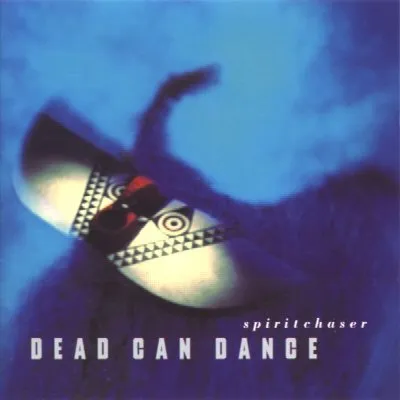
Spiritchaser
1996
Explores similar textures and themes, setting the stage for the next album.
Related records
If this landed
Records by other artists that run on the same instinct.
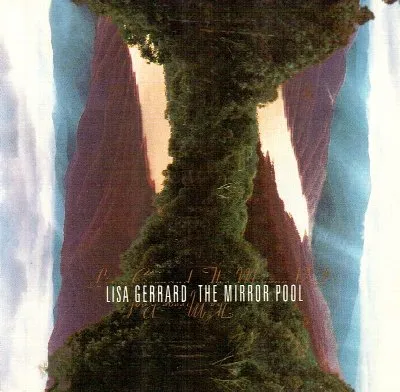
The Mirror Pool
Lisa Gerrard
Shares ceremonial percussion, wordless vocals, and orchestral, otherworldly atmosphere.
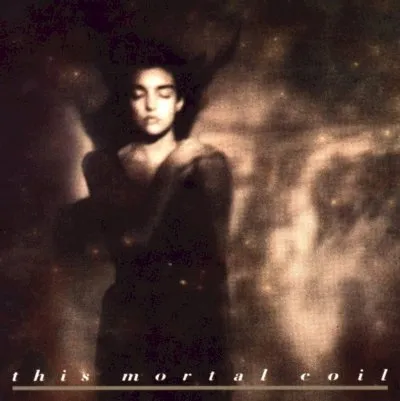
It'll End in Tears
This Mortal Coil
Pairs ethereal vocals and spacious arrangements with the same shadowed, elegiac mood.
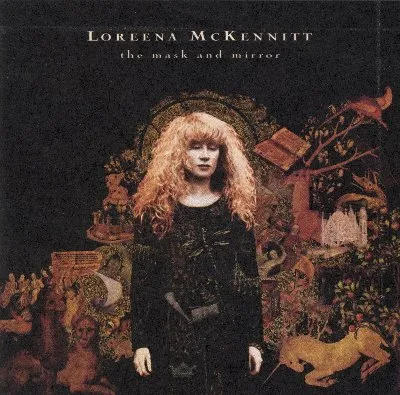
The Mask and Mirror
Loreena McKennitt
Blends world-folk instrumentation and devotional themes into a similarly ritual, expansive sound.
Own the record
Some of these are affiliate links: a purchase may earn Northsound a small commission, at no cost to you. It never decides what we recommend or how we score.
Sources
The Weekly Dispatch
One record worth your time, every week — picked the way this page is.
One short email. Free, unsubscribe anytime. Read this week's.
Sync your library
Everything you track here works immediately — no account needed. Create one when you want to sync across devices.