

Top tracks — play these first
-
→
Yellow Brick Road — Eminem revisits his Detroit upbringing and addresses the controversy over an old recording in which he used racist language, turning the track into an unusually direct piece of autobiography.
-
→
Like Toy Soldiers Start here — Built around a sample of Martika’s “Toy Soldiers,” the track weighs the consequences of rap feuds against a solemn, marching rhythm.
-
→
Mosh — A martial beat and blunt anti-Bush address make this the album’s most overtly political track, tied to the anxieties of the Iraq War and the 2004 election.
-
→
Mockingbird — A restrained beat leaves room for Eminem’s direct address to his daughters, offering a familial counterpoint to the album’s more abrasive comedy.
-
→
Just Lose It — The lead single pushes Eminem’s celebrity parody into slapstick, using a springy Dr. Dre beat to carry its deliberately chaotic delivery.
Elevation
Our rating, out of 100 — and why.
AI-generated from five scored dimensions. An opinion, not a measurement.
Its strongest songs pair vivid personal writing with sharp framing, but the extended comic middle interrupts the album’s momentum and limits repeat appeal.
What we noticed
- After the opening skit, the first six songs move from personal and retrospective writing through the antiwar charge of “Mosh”; “Puke” then turns sharply toward gag-driven material.
- The middle run—“My 1st Single,” “Rain Man,” “Big Weenie,” “Just Lose It,” and “Ass Like That”—leans on comic voices and deliberately abrasive effects.
- “Mockingbird” and “Crazy in Love” restore a more earnest register late in the sequence, before “One Shot 2 Shot” and the title-track finale close the framed album.
- Composition 25% of the score
-
5/10
- Craft 20% of the score
-
6/10
- Durability 25% of the score
-
5/10
- Distinctiveness 18% of the score
-
6/10
- Sequencing 12% of the score
-
5/10
the writing — melody, harmony, structure, lyrics
production, performance, arrangement
whether it rewards returning to it
whether it sounds like itself
running order, pacing, length
Significant within its genre. Reported but not counted — how far a record travelled describes its reception rather than the record, and a newer release has had less time to travel than an older one.
Is this for you?
Good fit if you like
- skit-linked album-length commitment
- abrupt swings from earnest to
- late-album family-focused reflection
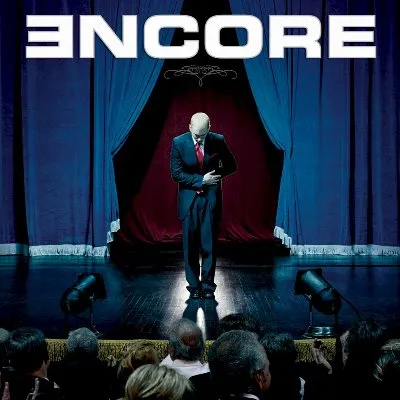
- dramatic curtain-up and curtain-down framing
Maybe skip if you
- want a concise, skit-free listen
- prefer one consistent emotional register
Where this album fits
- In the catalog
- Breakthrough — Its major commercial reach extended Eminem's mainstream recognition beyond his earlier peak releases.
- Themes
- Bush-era protest rap· prescription-pill haze· Detroit fame backlash
- Career context
- Encore followed The Eminem Show and the success of the 8 Mile soundtrack, arriving when Eminem was one of hip-hop’s biggest commercial draws. His fourth major-label studio album extends the stage-show framing of its predecessor while shifting between celebrity satire, political anger and intimate family stories.
- Stylistic neighbors
- Hopsin· Tech N9ne· Joyner Lucas
Tracklist
- 1 Curtains Up 0:46
- 2 Evil Deeds 4:19
- 3 Never Enough 2:39
- 4 Yellow Brick Road 5:46
- 5 Like Toy Soldiers Start here 4:56
- 6 Mosh 5:17
- 7 Puke 4:07
- 8 My 1st Single 5:02
- 9 Paul (skit) 0:32
- 10 Rain Man 5:13
- 11 Big Weenie 4:26
- 12 Em Calls Paul (skit) 1:11
- 13 Just Lose It 4:08
- 14 Ass Like That 4:25
- 15 Spend Some Time 5:10
- 16 Mockingbird 4:10
- 17 Crazy in Love 4:02
- 18 One Shot 2 Shot 4:26
- 19 Final Thought (skit) 0:30
- 20 Encore / (Curtains) 5:48
What to play next
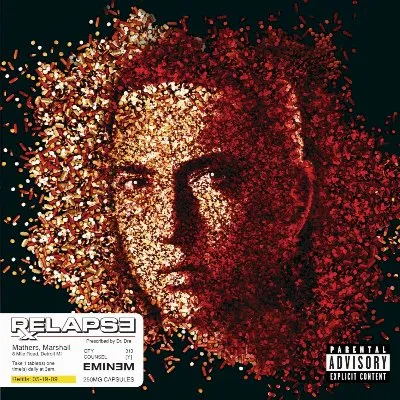
Relapse
2009
Its darker, horrorcore production marks a clear shift while returning to tightly constructed concept-driven tracks.
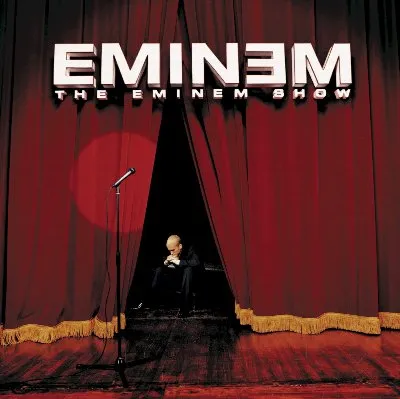
The Eminem Show
2002
It sets up Encore’s mix of personal reflection, satire, and arena-sized production.
If this landed
Records by other artists that run on the same instinct.
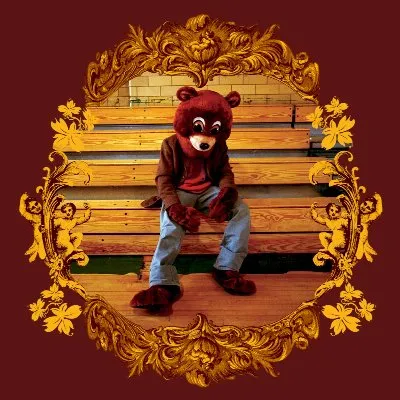
The College Dropout
Kanye West
Pairs comic skits and social critique with soul-sampled introspection about family, ambition, and life in the spotlight.
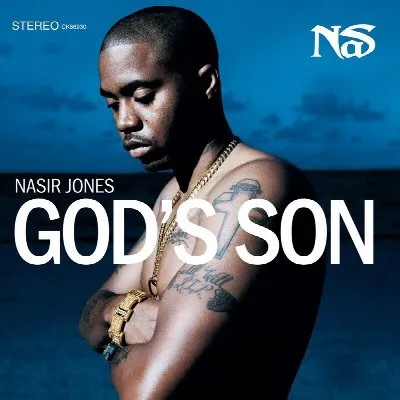
God's Son
Nas
Shares early-2000s political commentary and blunt family reflection, often set against spare piano and soulful production.
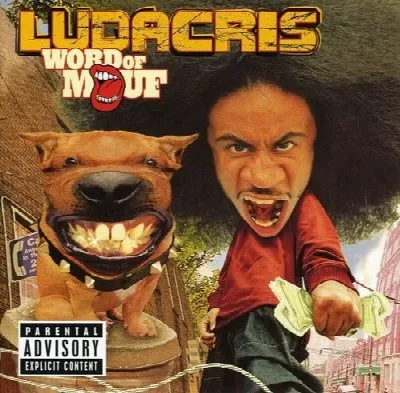
Word of Mouf
Ludacris
Balances cartoonish character voices and raunchy humor with personal storytelling over punchy, early-2000s rap production.
Reference: Wikipedia · MusicBrainz · Wikidata
Sync your library
Everything you track here works immediately — no account needed. Create one when you want to sync across devices.