

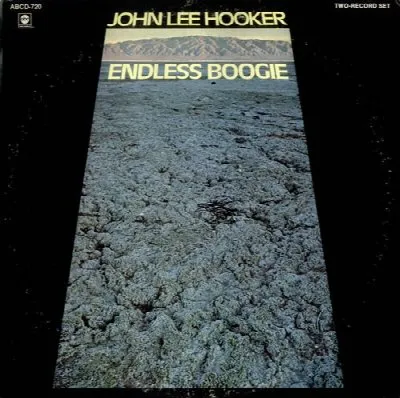
Endless Boogie
John Lee Hooker · 1971
72 min · 11 tracks · blues
A raw, hypnotic blend of blues grooves that captures the essence of improvisational storytelling and rhythmic exploration.
Top tracks — play these first
-
→
(I Got) A Good ’Un Start here — The opening track sets the tone with its infectious groove and showcases Hooker's prowess in building tension through repetitive riffs, making it a quintessential example of his style.
-
→
House Rent Boogie — This track encapsulates Hooker's storytelling ability, weaving humor and relatability into the blues tradition while maintaining an irresistible rhythm that invites listeners to move.
-
→
Kick Hit 4 Hit Kix U (Blues for Jimi and Janis) — An homage to contemporaries Jimi Hendrix and Janis Joplin, this track reflects Hooker’s engagement with the evolving music landscape while retaining his distinctive blues roots.
-
→
Endless Boogie, Parts 27 and 28 — The closing piece exemplifies the album's improvisational spirit, taking listeners on an extended journey that highlights Hooker's mastery over rhythm and mood.
Elevation
Our rating, out of 100 — and why.
AI-generated from five scored dimensions. An opinion, not a measurement.
The album showcases Hooker's signature style through extended grooves and improvisational storytelling.
What we noticed
- The album features several extended tracks, with 'Endless Boogie' comprising two parts that stretch over ten minutes, emphasizing improvisation.
- Each track typically maintains a steady groove, allowing for repetitive motifs that create a hypnotic effect.
- The instrumentation often includes minimalistic guitar riffs and rhythmic patterns that support Hooker's vocal storytelling without overwhelming it.
- Composition 25% of the score
-
6/10
- Craft 20% of the score
-
7/10
- Durability 25% of the score
-
8/10
- Distinctiveness 18% of the score
-
7/10
- Sequencing 12% of the score
-
6/10
the writing — melody, harmony, structure, lyrics
production, performance, arrangement
whether it rewards returning to it
whether it sounds like itself
running order, pacing, length
Known within its scene. Reported but not counted — how far a record travelled describes its reception rather than the record, and a newer release has had less time to travel than an older one.
Is this for you?
Good fit if you like
- hypnotic grooves for late nights
- wave-like pacing with peaks
- storytelling through dynamic rhythms
- immersive experience for deep focus
Maybe skip if you
- prefer instant gratification tracks
- avoid lengthy, explorative pieces
Where this album fits
- In the catalog
- Experimental — Features extended tracks and a laid-back vibe, reflecting a shift towards jam-oriented music.
- Themes
- blues storytelling· social commentary humor· musical tributes· hypnotic grooves
- Career context
- By 1971, John Lee Hooker was an established figure in the blues genre, having already released several influential albums since his debut in 1948. 'Endless Boogie' marked a continuation of his signature style, following his commercial success with 'Hooker 'n Heat' in 1970. This album solidified his place as a key innovator within the blues scene during a time when rock and psychedelia were dominating the mainstream.
- Stylistic neighbors
- Muddy Waters· Howlin' Wolf· Albert King
Tracklist
- 1 (I Got) A Good ’Un Start here 5:13
- 2 House Rent Boogie 6:23
- 3 Kick Hit 4 Hit Kix U (Blues for Jimi and Janis) 6:43
- 4 Standin’ at the Crossroads 6:07
- 5 Pots On, Gas on High 11:23
- 6 We Might as Well Call It Through (I Didn’t Get Married to Your Two-Timing Mother) 8:04
- 7 Doin’ the Shout 3:31
- 8 A Sheep Out on the Foam 6:30
- 9 I Don’t Need No Steam Heat 4:18
- 10 Sittin’ in My Dark Room 5:38
- 11 Endless Boogie, Parts 27 and 28 8:44

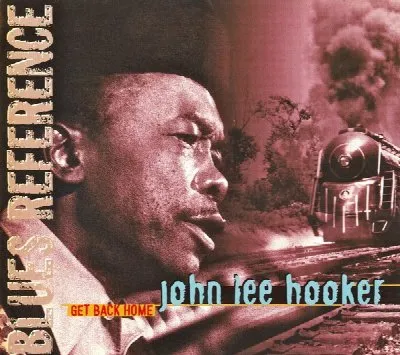
If this landed
Records by other artists that run on the same instinct.

L.A. Woman
The Doors
Shares hypnotic grooves and a blend of blues with evocative storytelling in a raw, atmospheric production.

Abraxas
Santana
Combines Afro-Cuban rhythms with bluesy guitar work, creating an immersive groove-driven experience.

Born Under a Bad Sign
Albert King
Features deep blues storytelling and engaging riffs that echo the raw emotionality found in Hooker's work.
Reference: Wikipedia · MusicBrainz · Wikidata
Sync your library
Everything you track here works immediately — no account needed. Create one when you want to sync across devices.