

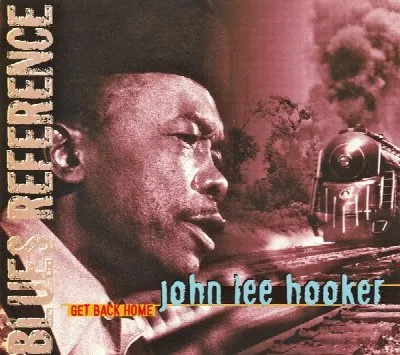
Get Back Home in the U.S.A.
John Lee Hooker · 1970
69 min · 16 tracks · blues
A gritty blend of blues and rhythm that captures the essence of urban life with raw storytelling and infectious grooves.
Top tracks — play these first
-
→
Get Back Home in the USA Start here — This title track encapsulates the album's theme of longing for home, featuring a driving rhythm that invites listeners into Hooker's world.
-
→
T.B. Is Killing Me — With its haunting narrative about illness and struggle, this track highlights Hooker's powerful storytelling ability, drawing listeners into deep emotional currents.
-
→
Cold Chills — This song showcases a blend of tension and groove, emphasizing Hooker's unique guitar work and vocal delivery that make it a standout on the album.
Elevation
Our rating, out of 100 — and why.
AI-generated from five scored dimensions. An opinion, not a measurement.
The album showcases solid blues compositions with distinctive rhythms and vocal styles, though it lacks broader impact.
What we noticed
- The album features a consistent use of repetitive, driving rhythms that are characteristic of Hooker's style.
- Several tracks incorporate call-and-response vocal patterns, typical in blues music, enhancing the interactive feel.
- The instrumentation primarily revolves around electric guitar and harmonica, with minimal embellishments, focusing on raw expression.
- Composition 25% of the score
-
6/10
- Craft 20% of the score
-
7/10
- Durability 25% of the score
-
6/10
- Distinctiveness 18% of the score
-
7/10
- Sequencing 12% of the score
-
5/10
the writing — melody, harmony, structure, lyrics
production, performance, arrangement
whether it rewards returning to it
whether it sounds like itself
running order, pacing, length
Little footprint beyond its audience. Reported but not counted — how far a record travelled describes its reception rather than the record, and a newer release has had less time to travel than an older one.
Is this for you?
Good fit if you like
- fragmented pacing for casual listening
- reflective moments of personal storytelling
- easy-going backdrop for social gatherings
- spontaneous dance breaks and grooves
Maybe skip if you
- seeking tightly structured compositions
- prefer immediate, high-energy tracks
Where this album fits
- In the catalog
- Breakthrough — This album marked a shift towards mainstream appeal for Hooker.
- Themes
- gritty storytelling· illness and struggle
- Career context
- In 1970, John Lee Hooker was transitioning from his earlier blues roots to a more mainstream appeal, marking this as his second album released after signing with the ABC label. This period followed the success of his hit 'Boom Boom' and positioned him to reach a broader audience while maintaining his signature sound.
- Stylistic neighbors
- Muddy Waters· Howlin' Wolf· Albert King
Moments worth listening for
Where the writing does something specific.
-
T.B. Is Killing Me
The lyrics shift from personal pain to broader societal implications, framing individual suffering within a communal context.
This structure elevates the personal narrative into a commentary on public health issues, reflecting a deeper engagement with social realities.
Tracklist
- 1 Get Back Home in the USA Start here 3:50
- 2 T.B. Is Killing Me 5:05
- 3 Cold Chills 4:39
- 4 I Had a Dream Last Night 4:38
- 5 Love Affair 3:49
- 6 Little Rain 4:53
- 7 When My First Wife Left Me 5:26
- 8 Big Boss Lady 3:44
- 9 Back to Your Mother 5:14
- 10 Boogie Chillen 2:44
- 11 Sittin’ Here Thinkin’ 4:47
- 12 I Wanna’ Ramble 2:40
- 13 Hi Heel Sneakers 3:05
- 14 I’m So Worried Baby 5:42
- 15 I’m Going Upstairs 4:02
- 16 Crazy ’bout You 5:28

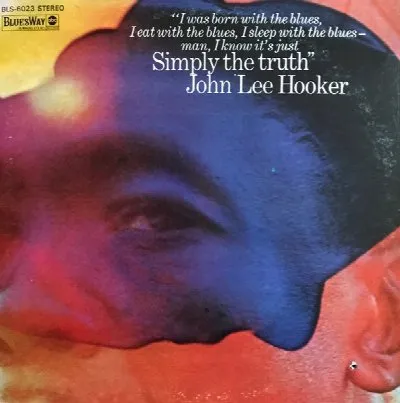
If this landed
Records by other artists that run on the same instinct.
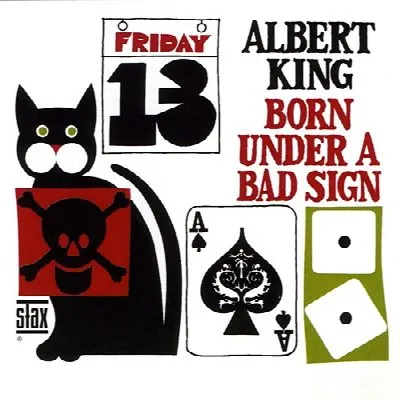
Born Under a Bad Sign
Albert King
Shares gritty storytelling and blues-infused grooves reflecting urban struggles.
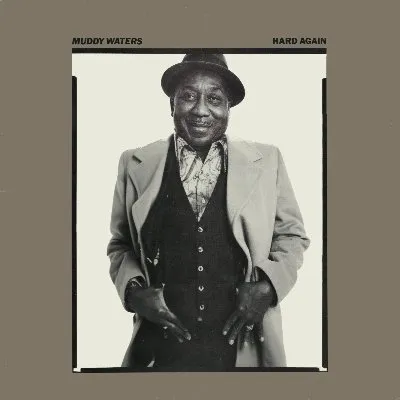
Hard Again
Muddy Waters
Utilizes raw emotion and powerful rhythms to convey themes of hardship and resilience.
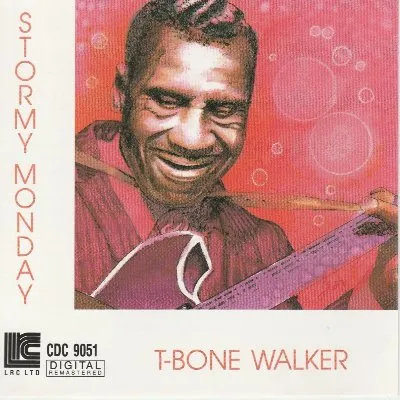
Stormy Monday
T-Bone Walker
Combines blues with soulful narratives, echoing the same emotional depth and urban vibe.
Reference: Wikipedia · MusicBrainz · Wikidata
Sync your library
Everything you track here works immediately — no account needed. Create one when you want to sync across devices.