

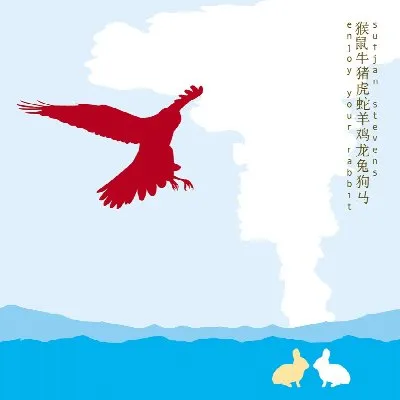
Enjoy Your Rabbit
Sufjan Stevens · 2001
79 min · 14 tracks · alternative rock
Skittering electronic rhythms dart through a zodiac of melodies that swing between playful clutter and patient repetition.
Top tracks — play these first
-
→
Year of the Monkey Start here — After the brief opening track, its busy electronic motion introduces the album’s restless approach to melody and rhythm.
-
→
Year of the Rat — Its extended running time gives Stevens room to develop and rearrange small electronic ideas rather than hurry toward a conventional chorus.
-
→
Year of the Dragon — One of the longer pieces, it lets the record’s shifting textures and repeating figures accumulate on a larger scale.
-
→
Year of the Horse — At more than 13 minutes, it stretches the album’s instrumental experiments into their most expansive form.
Elevation
Our rating, out of 100 — and why.
AI-generated from five scored dimensions. An opinion, not a measurement.
The album's thematic structure and blend of orchestral and electronic sounds create a unique listening experience.
What we noticed
- The instrumentation blends orchestral elements with electronic textures, often layering strings and synths to create a rich soundscape.
- Several tracks feature abrupt shifts in dynamics, such as transitioning from soft, introspective passages to more energetic sections.
- The album closes with 'Year of Our Lord,' which features a minimalist arrangement that contrasts with the more complex earlier tracks.
- Composition 25% of the score
-
6/10
- Craft 20% of the score
-
7/10
- Durability 25% of the score
-
5/10
- Distinctiveness 18% of the score
-
7/10
- Sequencing 12% of the score
-
8/10
the writing — melody, harmony, structure, lyrics
production, performance, arrangement
whether it rewards returning to it
whether it sounds like itself
running order, pacing, length
Known within its scene. Reported but not counted — how far a record travelled describes its reception rather than the record, and a newer release has had less time to travel than an older one.
Is this for you?
Good fit if you like
- whimsical narratives with playful tones
- dynamic progression with emotional peaks
- long-form storytelling through varied pacing
- headphone detail hunting for textures
Maybe skip if you
- instant gratification seekers
- short attention span listeners
Where this album fits
- In the catalog
- Experimental — Represents a departure from Stevens' established folk sound, exploring orchestral and electronic elements.
- Themes
- cyclical existence· life's fleeting nature
- Career context
- Enjoy Your Rabbit was Sufjan Stevens’s second album, following his 2000 debut A Sun Came. Its electronic instrumentals placed him far from the folk-oriented sound that would bring him wider attention on Michigan in 2003 and Illinois in 2005.
- Stylistic neighbors
- Iron & Wine· Andrew Bird· Fleet Foxes
Tracklist
- 1 Year of the Asthmatic Cat 0:24
- 2 Year of the Monkey Start here 4:20
- 3 Year of the Rat 8:22
- 4 Year of the Ox 4:01
- 5 Year of the Boar 3:55
- 6 Year of the Tiger 4:24
- 7 Year of the Snake 6:47
- 8 Year of the Sheep 3:34
- 9 Year of the Rooster 6:24
- 10 Year of the Dragon 9:26
- 11 Enjoy Your Rabbit 4:47
- 12 Year of the Dog 4:52
- 13 Year of the Horse 13:18
- 14 Year of Our Lord 4:30
What to play next

Michigan
2003
Continues the introspective themes with richer orchestration and storytelling.
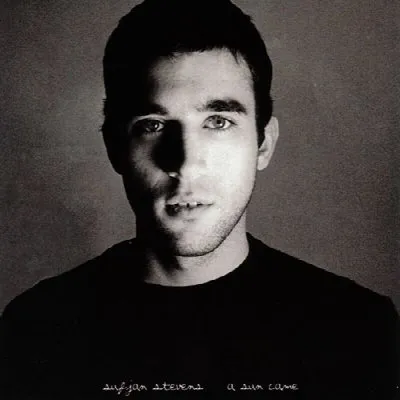
A Sun Came
2000
Sets the stage for the electronic and whimsical elements found in Enjoy Your Rabbit.
If this landed
Records by other artists that run on the same instinct.
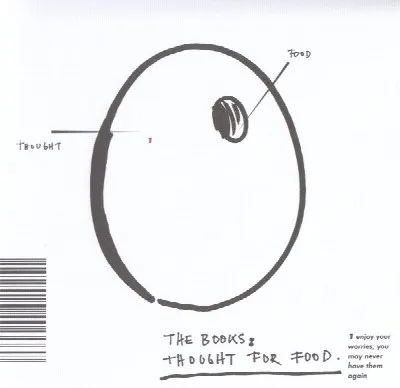
Thought for Food
The Books
Pairs playful sample collage with reflective, finely arranged acoustic and electronic textures.
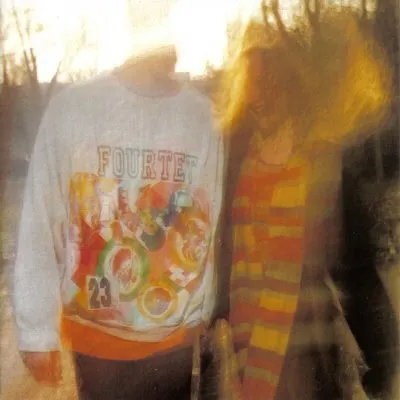
Pause
Four Tet
Uses warm, chopped samples and looping patterns for an intimate, quietly cyclical feel.
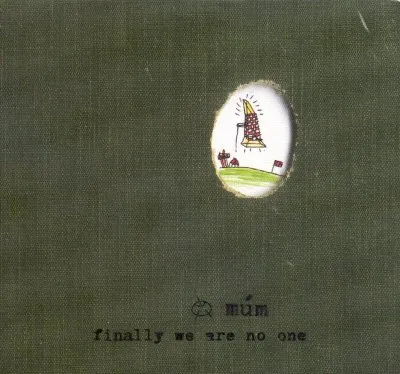
Finally We Are No One
Múm
Blends fragile electronics, toy-like sounds, and chamber textures into a whimsical, inward atmosphere.
Reference: Wikipedia · MusicBrainz · Wikidata
Sync your library
Everything you track here works immediately — no account needed. Create one when you want to sync across devices.