


Equator
Uriah Heep · 1985
47 min · 10 tracks · hard rock
Uriah Heep's hard rock charges toward the mid-1980s with bright keyboards and choruses built for a crowd.
Top tracks — play these first
-
→
Rockarama Start here — The opener sets out the album's arena-sized ambitions, pairing a direct guitar attack with a chorus designed as a communal rallying cry.
-
→
Poor Little Rich Girl — At more than six minutes, it gives the band room to stretch beyond the album's compact rockers, using a slower pace to build its portrait of isolation amid wealth.
-
→
Skools Burning — Its rowdy school-rebellion framing and punchy delivery bring the album's playful side forward, favoring a straightforward rock anthem over elaborate arrangement.
-
→
Night of the Wolf — The closing track turns toward darker imagery, providing a more ominous counterpoint to the record's party-minded songs.
Elevation
Our rating, out of 100 — and why.
AI-generated from five scored dimensions. An opinion, not a measurement.
Polished, consistent mid-’80s hard rock with a few shifts in pace, but its songwriting and sound stay close to the era’s established template.
What we noticed
- “Rокarama” opens with bright keyboards and a tightly polished guitar-and-drum groove, establishing the album’s mid-’80s hard-rock sheen.
- “Lost One Love” slows the run of rockers for a ballad, while “Party Time” restores the pace on the second half.
- “Night of the Wolf” closes on a darker, heavier note than the album’s glossy opening.
- Composition 25% of the score
-
5/10
- Craft 20% of the score
-
6/10
- Durability 25% of the score
-
5/10
- Distinctiveness 18% of the score
-
4/10
- Sequencing 12% of the score
-
6/10
the writing — melody, harmony, structure, lyrics
production, performance, arrangement
whether it rewards returning to it
whether it sounds like itself
running order, pacing, length
Little footprint beyond its audience. Reported but not counted — how far a record travelled describes its reception rather than the record, and a newer release has had less time to travel than an older one.
Where this album fits
- In the catalog
- Deep Cut — A mid-period entry in the band's 1980s melodic hard-rock phase, outside its defining early run and later revival.
- Themes
- arena-rock rallying cries· rich-kid isolation· schoolyard rebellion· night-wolf menace
- Career context
- Equator followed 1983's Head First and was Uriah Heep's third studio album with vocalist Peter Goalby. It was also his last album with the band, closing a chapter in which the group leaned toward a more streamlined hard-rock sound.
- Stylistic neighbors
- Deep Purple· Rainbow· Black Sabbath
Moments worth listening for
Where the writing does something specific.
-
Rockarama
The chorus repeats a coined name for a rock spectacle as a rallying cry.
The repetition turns an invented label into a hook that works like an invitation to join a crowd.
Tracklist
- 1 Rockarama Start here 4:32
- 2 Bad Blood 3:34
- 3 Lost One Love 4:43
- 4 Angel 4:50
- 5 Holding On 4:23
- 6 Party Time 4:22
- 7 Poor Little Rich Girl 6:34
- 8 Skools Burning 4:25
- 9 Heartache City 5:03
- 10 Night of the Wolf 4:35
What to play next
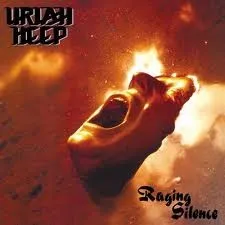
Raging Silence
1989
It carries Equator’s polished, melodic hard rock forward while introducing Bernie Shaw’s voice and a refreshed lineup.
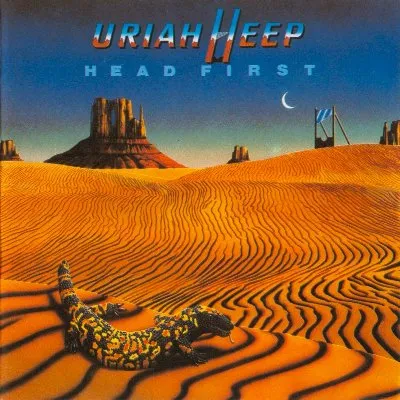
Head First
1983
Its keyboard-led, melodic hard rock points naturally toward the sound Uriah Heep developed on Equator.
If this landed
Records by other artists that run on the same instinct.
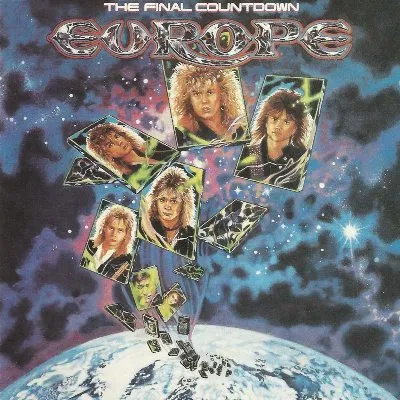
The Final Countdown
Europe
Shares bright keyboard hooks, charging hard-rock riffs, and choruses built for an arena.
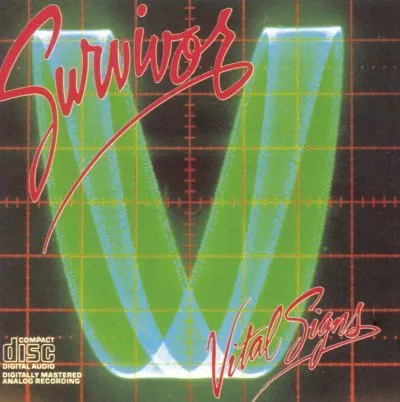
Vital Signs
Survivor
Pairs streamlined mid-80s hard rock with glossy keys and rallying, crowd-ready choruses.
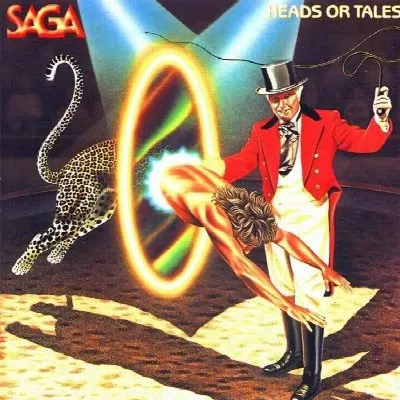
Heads or Tales
Saga
Combines melodic hard rock, prominent keyboards, and a more compact take on progressive arrangements.
Reference: Wikipedia · MusicBrainz · Wikidata
Sync your library
Everything you track here works immediately — no account needed. Create one when you want to sync across devices.