

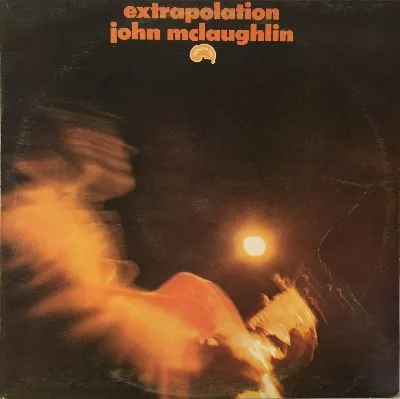
Extrapolation
John McLaughlin · 1969
40 min · 10 tracks · jazz
Nimble electric lines tangle with baritone saxophone as a restless rhythm section keeps the music poised between swing and free jazz.
Top tracks — play these first
-
→
Extrapolation Start here — The title track sets McLaughlin’s quicksilver phrasing against Surman’s weightier saxophone sound, with Oxley’s drums keeping the exchanges in motion.
-
→
It's Funny — Its comparatively gentle pace gives the quartet room to shape phrases conversationally, showing a quieter side of the session.
-
→
Binky's Dream — The album’s longest track gives the players space to stretch beyond the compact themes elsewhere, building its interest through extended improvisation.
-
→
Peace Piece — This brief closing piece offers a reflective contrast to the preceding ensemble activity, ending the record on an intimate note.
Elevation
Our rating, out of 100 — and why.
AI-generated from five scored dimensions. An opinion, not a measurement.
InstrumentalMcLaughlin's debut blends intricate guitar work with diverse rhythms, establishing a unique voice in jazz fusion.
What we noticed
- The album features intricate guitar work that often shifts between rapid, complex phrases and slower, more melodic lines.
- Each track typically showcases a different ensemble of musicians, creating varied textures and dynamics throughout the record.
- Composition 25% of the score
-
8/10
- Craft 20% of the score
-
7/10
- Durability 25% of the score
-
6/10
- Distinctiveness 18% of the score
-
8/10
- Sequencing 12% of the score
-
5/10
the writing — melody, harmony, structure, lyrics
production, performance, arrangement
whether it rewards returning to it
whether it sounds like itself
running order, pacing, length
Significant within its genre. Reported but not counted — how far a record travelled describes its reception rather than the record, and a newer release has had less time to travel than an older one.
Is this for you?
Good fit if you like
- wave-like pacing with surprises
- dynamic explorations of sound
- ethereal improvisations for reflection
- engaging melodies for focused listening
Maybe skip if you
- seekers of instant gratification
- prefer straightforward song structures
Where this album fits
- In the catalog
- Breakthrough — Established McLaughlin's reputation in jazz fusion, blending diverse influences.
- Themes
- 1969 London jazz· interlocking rhythms· improvised guitar lines
- Career context
- Extrapolation was John McLaughlin’s debut album as a leader, recorded in London with saxophonist John Surman, bassist Brian Odgers and drummer Tony Oxley. Shortly afterward, McLaughlin moved to the United States, where he joined Tony Williams’s Lifetime and played on Miles Davis’s In a Silent Way.
- Stylistic neighbors
- Mahavishnu Orchestra· Al Di Meola· Chick Corea
Tracklist
- 1 Extrapolation Start here 3:52
- 2 It's Funny 4:23
- 3 Arjen's Bag 4:11
- 4 Pete the Poet 4:48
- 5 This Is for Us to Share 3:36
- 6 Spectrum 2:45
- 7 Binky's Dream 7:05
- 8 Really You Know 4:25
- 9 Two for Two 3:43
- 10 Peace Piece 1:49
If this landed
Records by other artists that run on the same instinct.
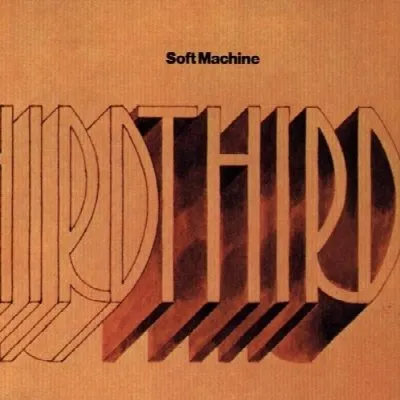
Third
Soft Machine
Shares exploratory late-’60s British jazz, extended improvisation, and intricate rhythms that shift between delicacy and drive.
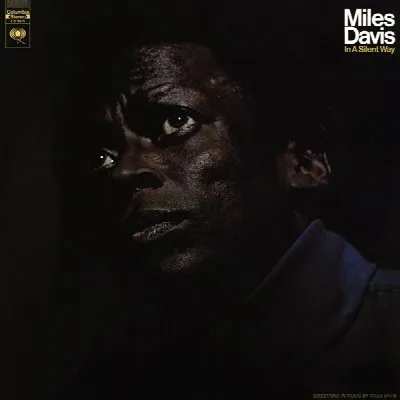
In a Silent Way
Miles Davis
Takes late-’60s jazz improvisation into an airy, electric soundscape, balancing spacious melodies with collective interplay.

Down Another Road
Graham Collier
A fellow late-’60s British jazz release, pairing interlocking ensemble rhythms with open-ended melodic improvisation.
Reference: Wikipedia · MusicBrainz · Wikidata
Sync your library
Everything you track here works immediately — no account needed. Create one when you want to sync across devices.