

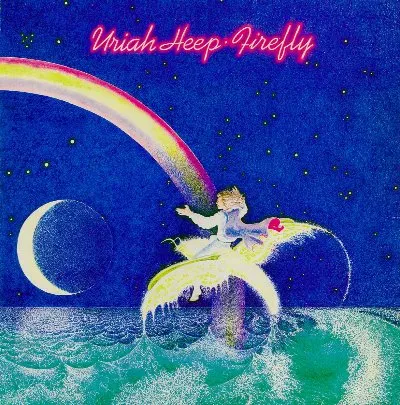
Firefly
Uriah Heep · 1977
37 min · 8 tracks · hard rock
Uriah Heep’s organ-driven hard rock takes on a warmer melodic cast as John Lawton’s voice rises above the guitars.
Top tracks — play these first
-
→
The Hanging Tree Start here — The opener introduces Lawton against a dramatic hard-rock arrangement, establishing both the continuity and the change in Heep’s sound.
-
→
Wise Man — A concise melodic track, it gives Lawton room to phrase with restraint rather than relying solely on hard-rock force.
-
→
Sympathy — Its stately pace and keyboard-led atmosphere show the band leaning into melody without abandoning the weight of its rock sound.
-
→
Firefly — The extended closer gives the band space to move beyond the album’s shorter songs, balancing melodic singing with a more expansive arrangement.
Elevation
Our rating, out of 100 — and why.
AI-generated from five scored dimensions. An opinion, not a measurement.
Strongly arranged hard rock with a few memorable shifts in texture, though its familiar song forms and one cover keep it from defining its own lane.
What we noticed
- The Hanging Tree opens with acoustic guitar before the band enters on a heavier riff, setting up a contrast the album returns to in its quieter passages.
- Wise Man strips the arrangement back around a ballad vocal, while Rollin' On shifts toward a looser, more syncopated groove.
- Sympathy is a cover, and the original eight-track sequence closes with the mid-tempo title track rather than a reprise or extended finale.
- Composition 25% of the score
-
6/10
- Craft 20% of the score
-
7/10
- Durability 25% of the score
-
6/10
- Distinctiveness 18% of the score
-
5/10
- Sequencing 12% of the score
-
7/10
the writing — melody, harmony, structure, lyrics
production, performance, arrangement
whether it rewards returning to it
whether it sounds like itself
running order, pacing, length
Known within its scene. Reported but not counted — how far a record travelled describes its reception rather than the record, and a newer release has had less time to travel than an older one.
Where this album fits
- In the catalog
- Deep Cut — A mid-catalog entry that introduces John Lawton and marks a lineup transition without defining the band's wider reput...
- Themes
- 1977 lineup transition· organ-lit hard rock· hanging-tree imagery
- Career context
- Released in 1977, Firefly was Uriah Heep’s first album with singer John Lawton, who replaced founding vocalist David Byron. It followed High and Mighty and also introduced bassist Trevor Bolder, beginning a new lineup after a turbulent period for the band.
- Stylistic neighbors
- Deep Purple· Rainbow· Black Sabbath
Moments worth listening for
Where the writing does something specific.
-
The Hanging Tree
The image of a tree used for an execution returns as a refrain, giving the song’s violent setting a fixed point.
That recurring image anchors the storytelling in a physical place rather than explaining its drama abstractly.
Tracklist
- 1 The Hanging Tree Start here 3:42
- 2 Been Away Too Long 5:04
- 3 Who Needs Me 3:39
- 4 Wise Man 4:43
- 5 Do You Know 3:15
- 6 Rollin' On 6:23
- 7 Sympathy 4:49
- 8 Firefly 6:17
What to play next
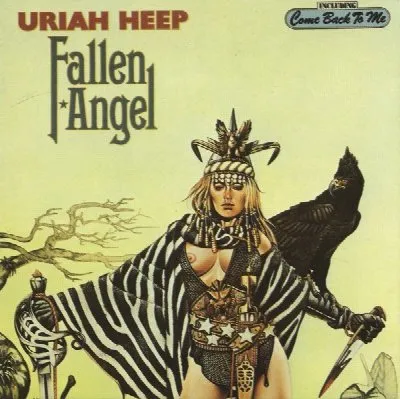
Fallen Angel
1978
It continues the Lawton-era hard rock sound while adding a more polished, varied edge.

Innocent Victim
1977
It offers a nearby snapshot of the same era, setting up Firefly’s shift in sound and vocal character.
If this landed
Records by other artists that run on the same instinct.
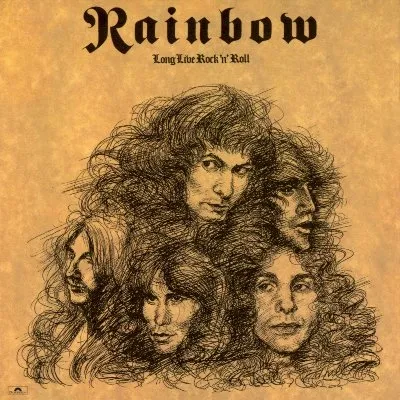
Long Live Rock 'n' Roll
Rainbow
Pairs soaring vocals and organ-colored hard rock with the same era’s dramatic, mythic atmosphere.
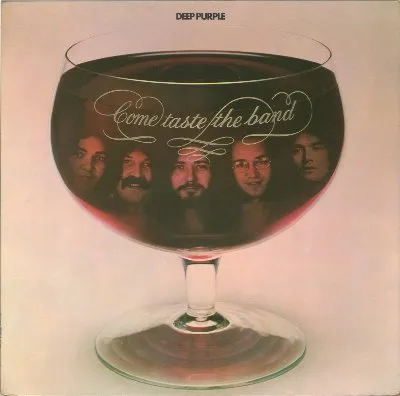
Come Taste the Band
Deep Purple
A warm, organ-and-guitar-driven hard-rock sound shaped by a major lineup change.
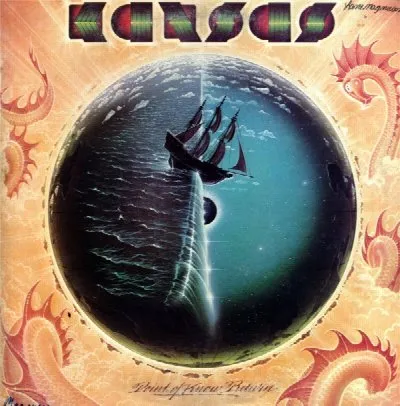
Point of Know Return
Kansas
Shares 1977’s melodic blend of organ-led hard rock, progressive arrangements, and soaring vocals.
Reference: Wikipedia · MusicBrainz · Wikidata
Sync your library
Everything you track here works immediately — no account needed. Create one when you want to sync across devices.