

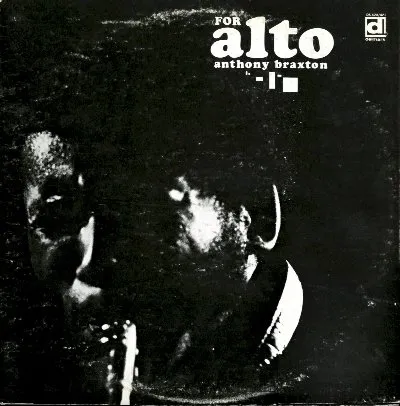
For Alto
Anthony Braxton · 1969
72 min · 8 tracks · jazz
An avant-garde exploration where the saxophone's voice echoes through uncharted territories of improvisation and emotional depth.
Top tracks — play these first
-
→
To Composer John Cage (8f) Start here — This track embodies Braxton's experimental ethos, merging structured improvisation with a nod to Cage's avant-garde philosophy. Its lengthy duration allows for deep exploration of sound textures.
-
→
Dedicated to Susan Axelrod (8c) — With its introspective pacing, this piece showcases Braxton's ability to blend emotion with technique, making it a standout for its lyrical yet abstract approach.
-
→
Dedicated to Multi-Instrumentalist Leroy Jenkins (8b) — At nearly 20 minutes long, this track highlights Braxton's dynamic range and improvisational skills, capturing the essence of collaborative creativity within the avant-garde scene.
Elevation
Our rating, out of 100 — and why.
AI-generated from five scored dimensions. An opinion, not a measurement.
InstrumentalBraxton's debut showcases innovative saxophone techniques and improvisation, marking a significant moment in avant-garde jazz.
What we noticed
- Each track features extended improvisation, with Braxton exploring different techniques and tonalities on the saxophone.
- The album consists entirely of solo performances, allowing for a deep focus on the instrument's voice without accompaniment.
- Tracks vary in length significantly, with some lasting over ten minutes, creating a sense of exploration and unpredictability.
- Composition 25% of the score
-
8/10
- Craft 20% of the score
-
7/10
- Durability 25% of the score
-
6/10
- Distinctiveness 18% of the score
-
9/10
- Sequencing 12% of the score
-
5/10
the writing — melody, harmony, structure, lyrics
production, performance, arrangement
whether it rewards returning to it
whether it sounds like itself
running order, pacing, length
Significant within its genre. Reported but not counted — how far a record travelled describes its reception rather than the record, and a newer release has had less time to travel than an older one.
Is this for you?
Good fit if you like
- patient exploration of sound
- intimate late-night listening
- gradual build to intensity
- thoughtful tribute reflections
- immersive solo saxophone focus
Maybe skip if you
- seeking immediate gratification
- prefer structured formats
Where this album fits
- In the catalog
- Breakthrough — This debut album established Braxton as a key figure in avant-garde jazz.
- Themes
- avant-garde improvisation· John Cage influence· emotional soundscapes
- Career context
- For Alto marks Anthony Braxton's debut album, released in 1969 when he was emerging as a prominent figure in the avant-garde jazz scene. The album showcases Braxton's unique approach to the saxophone, highlighting his innovative techniques and willingness to push traditional boundaries at a time when jazz was evolving rapidly.
- Stylistic neighbors
- Ornette Coleman· Sun Ra· Henry Threadgill
Tracklist
- 1 Dedicated to Multi-Instrumentalist Jack Gell (8a) 0:37
- 2 To Composer John Cage (8f) Start here 9:26
- 3 To Artist Murray De Pillars (8h) 4:12
- 4 To Pianist Cecil Taylor (8a/b) 5:13
- 5 Dedicated to Ann and Peter Allen (8d) 12:49
- 6 Dedicated to Susan Axelrod (8c) 10:19
- 7 To My Friend Kenny McKenny (8g) 10:01
- 8 Dedicated to Multi-Instrumentalist Leroy Jenkins (8b) 19:47
If this landed
Records by other artists that run on the same instinct.
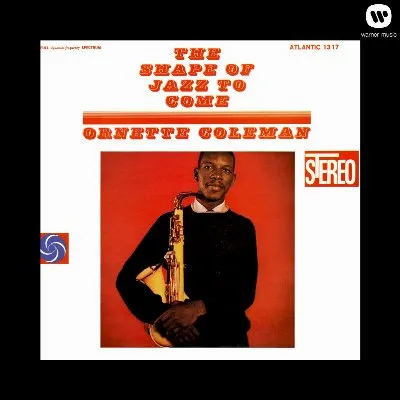
The Shape of Jazz to Come
Ornette Coleman
Explores free improvisation and emotional depth, echoing avant-garde experimentation in jazz.
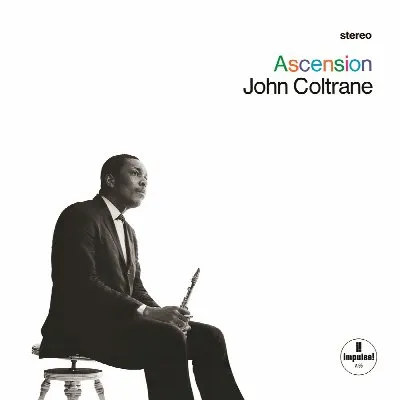
Ascension
John Coltrane
Shares a similar spiritual intensity and avant-garde approach to saxophone-led improvisation.
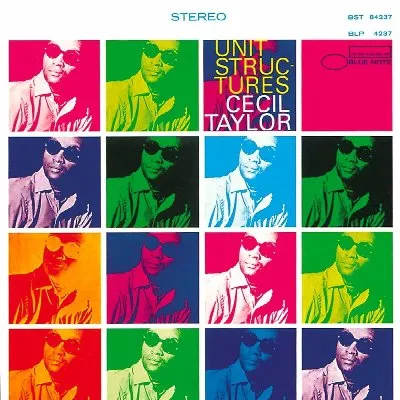
Unit Structures
Cecil Taylor
Combines complex improvisation with an emotional soundscape, pushing the boundaries of jazz expression.
Reference: Wikipedia · MusicBrainz · Wikidata
Sync your library
Everything you track here works immediately — no account needed. Create one when you want to sync across devices.