

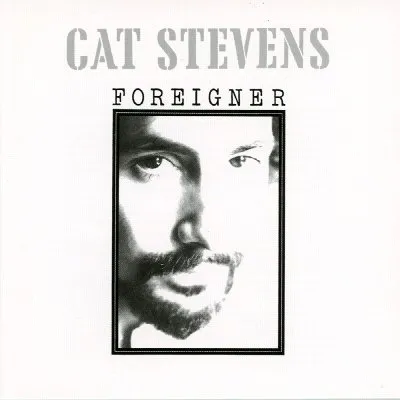
Foreigner
Cat Stevens · 1973
36 min · 5 tracks · pop music
An expansive folk-pop voice moves through soul-inflected grooves and long-form arrangements that refuse to stay in one place.
Top tracks — play these first
-
→
Foreigner Suite Start here — Occupying the original LP’s entire first side, the suite shifts between intimate piano-led passages and fuller soul-inflected sections rather than settling into a conventional single-song form.
-
→
The Hurt — The album’s single brings its interest in soul and rhythmic drive into a compact song, with Stevens’ urgent vocal carrying the tension.
-
→
How Many Times — Its questioning refrain and measured pacing bring the album back toward the direct, searching songwriting associated with Stevens’ earlier work.
-
→
100 I Dream — The closing track gives the record a quieter destination after its restless opening suite, putting Stevens’ voice and piano at the center.
Elevation
Our rating, out of 100 — and why.
AI-generated from five scored dimensions. An opinion, not a measurement.
The album features ambitious structures and blends genres, but its cohesion is affected by the lengthy title track.
What we noticed
- The title track, 'Foreigner Suite', spans nearly 19 minutes and is divided into multiple sections, shifting between different musical themes.
- Lyrically, the songs explore introspective themes, often reflecting on identity and belonging, which are consistent throughout the record.
- Composition 25% of the score
-
7/10
- Craft 20% of the score
-
6/10
- Durability 25% of the score
-
6/10
- Distinctiveness 18% of the score
-
7/10
- Sequencing 12% of the score
-
5/10
the writing — melody, harmony, structure, lyrics
production, performance, arrangement
whether it rewards returning to it
whether it sounds like itself
running order, pacing, length
Known within its scene. Reported but not counted — how far a record travelled describes its reception rather than the record, and a newer release has had less time to travel than an older one.
Is this for you?
Good fit if you like
- steady pacing with reflective themes
- introspective moments for deep thinking
- rich melodies for quiet afternoons
- consistent flow encouraging full listen
Maybe skip if you
- seeking high-energy experiences
- prefer short, standalone tracks
Where this album fits
- In the catalog
- Experimental — Showcases a deliberate shift in sound and structure, blending genres and reflecting spiritual themes.
- Themes
- Eastern-Western identity· 1970s spiritual searching· Eastern-influenced folk rock
- Career context
- Released in 1973, Foreigner followed Cat Stevens’ commercially successful Catch Bull at Four. Stevens produced the album himself, departing from his established partnership with producer Paul Samwell-Smith and opening the first side with an ambitious extended suite.
- Stylistic neighbors
- Donovan· James Taylor· Gordon Lightfoot
Tracklist
- 1 Foreigner Suite Start here 18:23
- 2 The Hurt 4:20
- 3 How Many Times 4:27
- 4 Later 4:45
- 5 100 I Dream 4:06
What to play next

Buddha and the Chocolate Box
1974
Continues the introspective themes with a blend of soft rock and Eastern influences.
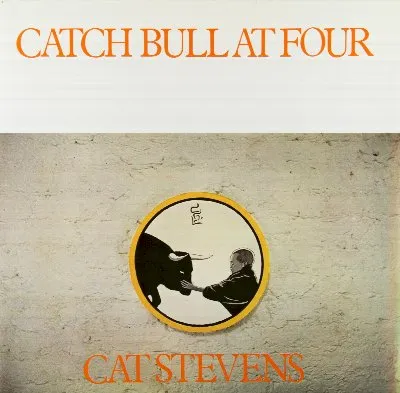
Catch Bull at Four
1972
Sets the stage with similar reflective melodies and lyrical depth.
If this landed
Records by other artists that run on the same instinct.
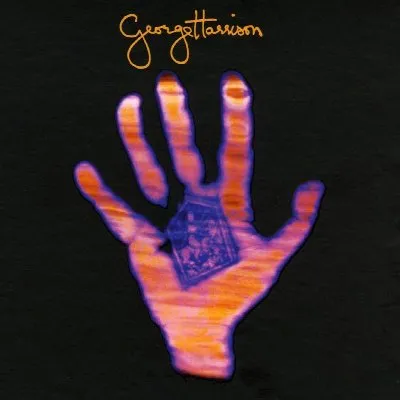
Living in the Material World
George Harrison
Pairs reflective pop-rock with explicit spiritual searching and Indian musical touches.
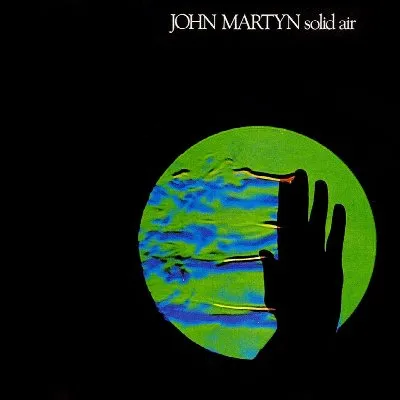
Solid Air
John Martyn
Shares an intimate, contemplative mood, with acoustic songwriting softened by spacious arrangements.
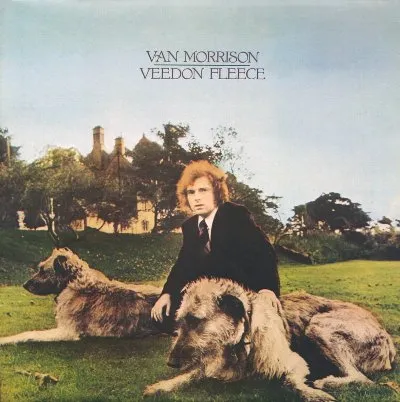
Veedon Fleece
Van Morrison
Follows introspective folk-rock into spiritual reflection, with a similarly unhurried, inward feel.
Reference: Wikipedia · MusicBrainz · Wikidata
Sync your library
Everything you track here works immediately — no account needed. Create one when you want to sync across devices.