

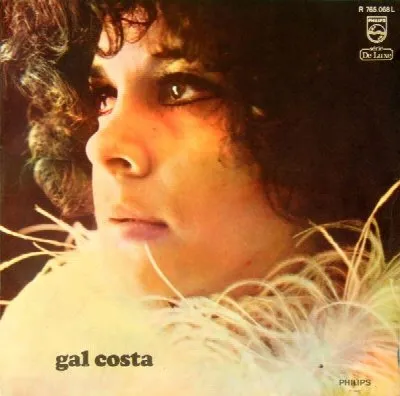
Top tracks — play these first
-
→
Divino, maravilhoso — This track epitomizes the album's fusion of traditional bossa nova with psychedelic rock elements, showcasing Costa's dynamic vocal delivery and progressive arrangement.
-
→
Sebastiana — With its playful melody and rhythmic complexity, this song exemplifies Costa's ability to weave storytelling into infectious grooves, drawing on Brazilian folk traditions.
-
→
Lost in the Paradise — This song stands out for its introspective lyrics and haunting instrumentation, illustrating Costa’s exploration of personal themes set against a vibrant musical backdrop.
-
→
Vou recomeçar — The track features a poignant blend of melancholy and hope, showcasing Costa's emotional range while marrying innovative arrangements with traditional melodies.
Elevation
Our rating, out of 100 — and why.
AI-generated from five scored dimensions. An opinion, not a measurement.
The album showcases a blend of Brazilian music styles with pop, creating a distinct sound that evolves throughout its runtime.
What we noticed
- Several tracks incorporate Brazilian rhythms and styles, blending traditional elements with contemporary pop sensibilities.
- The sequencing includes shifts in tempo and mood, with the first half featuring more upbeat songs while the latter half transitions to more introspective pieces.
- Composition 25% of the score
-
7/10
- Craft 20% of the score
-
6/10
- Durability 25% of the score
-
6/10
- Distinctiveness 18% of the score
-
7/10
- Sequencing 12% of the score
-
5/10
the writing — melody, harmony, structure, lyrics
production, performance, arrangement
whether it rewards returning to it
whether it sounds like itself
running order, pacing, length
Known within its scene. Reported but not counted — how far a record travelled describes its reception rather than the record, and a newer release has had less time to travel than an older one.
Is this for you?
Good fit if you like
- short bursts of playful energy
- sunny afternoon gatherings with friends
- nostalgic reflections on love
- easygoing melodies for relaxation
Maybe skip if you
- prefer lengthy, immersive albums
- want heavy, dramatic soundscapes
Where this album fits
- In the catalog
- Breakthrough — This album established Gal Costa's reputation in the Tropicália movement.
- Career context
- Gal Costa's self-titled debut album arrived in 1969, marking her emergence as a key figure in the Tropicália movement just after her participation in the influential collective Os Mutantes. At this point, she was transitioning from a promising newcomer to an essential voice in Brazilian music, establishing her artistic identity alongside contemporaries like Caetano Veloso and Gilberto Gil.
- Stylistic neighbors
- Caetano Veloso· Maria Bethânia· Milton Nascimento
Moments worth listening for
Where the writing does something specific.
-
Deus é o amor
A pivotal moment occurs when the focus shifts from abstract concepts of love to direct declarations of affection.
Tracklist
Best experienced from track one — press play and let it unfold.
- 1 Não identificado 3:19
- 2 Sebastiana 2:24
- 3 Lost in the Paradise 2:51
- 4 Namorinho de portão 2:33
- 5 Saudosismo 3:10
- 6 Se você pensa 3:14
- 7 Vou recomeçar 3:24
- 8 Divino, maravilhoso 4:20
- 9 Que pena (ele já não gosta mais de mim) 3:35
- 10 Baby 3:33
- 11 A coisa mais linda que existe 4:00
- 12 Deus é o amor 3:04
What to play next

Legal
1970
It carries the experimental Tropicalia edge forward while opening into a more groove-driven, accessible sound.
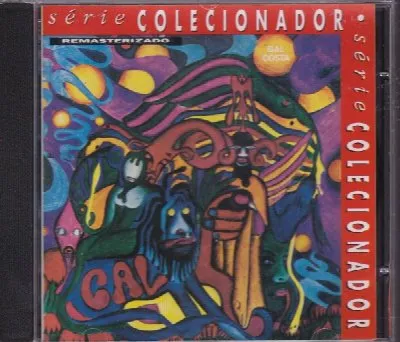
Gal
1969
Its earlier, more intimate 1969 statement leads naturally into this album’s bolder experimental arrangements.
Reference: Wikipedia · MusicBrainz · Wikidata
Sync your library
Everything you track here works immediately — no account needed. Create one when you want to sync across devices.