

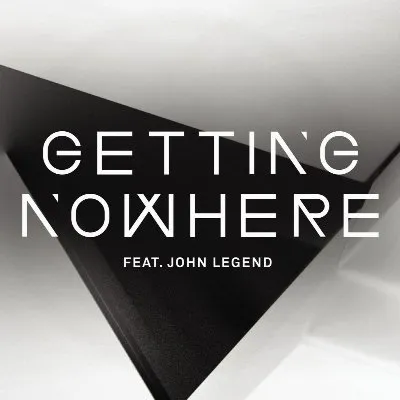
Getting Nowhere
John Legend · 2011
21 min · 4 tracks · contemporary R&B
A soulful voice strains against the slow-moving weight of dubstep bass.
Top tracks — play these first
-
→
Getting Nowhere (album version) — The original sets Legend’s expressive vocal against Magnetic Man’s bass-heavy production, establishing the tension the remixes work with.
-
→
Getting Nowhere (Skream remix) — Skream revisits a track he helped make as a member of Magnetic Man, offering a chance to hear the song reframed by one of its original producers.
-
→
Getting Nowhere (Breakage as Hard as We Try remix) — Breakage’s version puts another UK electronic producer’s stamp on the song, shifting the focus from the original’s vocal-led arrangement toward a remix context.
-
→
Getting Nowhere (Yoruba Soul mix) — At seven and a half minutes, this extended mix gives the song more room to unfold than the compact album version.
Elevation
Our rating, out of 100 — and why.
AI-generated from five scored dimensions. An opinion, not a measurement.
A polished vocal-led dance track with several worthwhile production changes, but the repeated song limits the package’s depth and shape.
What we noticed
- The album version places John Legend’s full lead vocal over a low, electronic dance pulse rather than building around a band arrangement.
- The other three tracks keep the same song and vocal as their source, shifting the emphasis through Skream, Breakage and Yoruba Soul remixes.
- The original comes first, followed by three versions of the same material, so the package spends its remaining runtime on reinterpretation rather than new songs.
- Composition 25% of the score
-
5/10
- Craft 20% of the score
-
7/10
- Durability 25% of the score
-
4/10
- Distinctiveness 18% of the score
-
5/10
- Sequencing 12% of the score
-
4/10
the writing — melody, harmony, structure, lyrics
production, performance, arrangement
whether it rewards returning to it
whether it sounds like itself
running order, pacing, length
Little footprint beyond its audience. Reported but not counted — how far a record travelled describes its reception rather than the record, and a newer release has had less time to travel than an older one.
Where this album fits
- In the catalog
- Experimental — A one-off electronic collaboration that departs from his core soul and R&B album sound.
- Themes
- stalled romance over sub-bass· UK dubstep-soul crossover
- Career context
- This 2011 single pairs John Legend with British electronic trio Magnetic Man, following his 2010 covers album Wake Up! with the Roots. The original track appeared on Magnetic Man’s self-titled 2010 debut, placing Legend’s voice in a UK dubstep setting.
- Stylistic neighbors
- Alicia Keys· Anthony Hamilton· Musiq Soulchild
Moments worth listening for
Where the writing does something specific.
-
Getting Nowhere (album version)
The refrain repeats the contradiction between continuing to move and failing to make progress.
That recurring paradox gives the song a circular structure suited to its suspended, heavy production.
Tracklist
Best experienced from track one — press play and let it unfold.
- 1 Getting Nowhere (album version) 4:30
- 2 Getting Nowhere (Skream remix) 4:53
- 3 Getting Nowhere (Breakage as Hard as We Try remix) 4:42
- 4 Getting Nowhere (Yoruba Soul mix) 7:30
What to play next
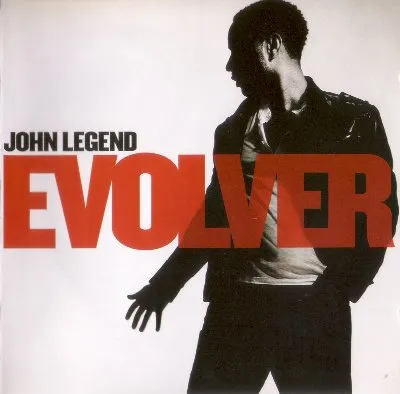
Evolver
2008
Its sleek R&B and electronic touches extend the track’s modern production while bringing Legend’s full album sound in...
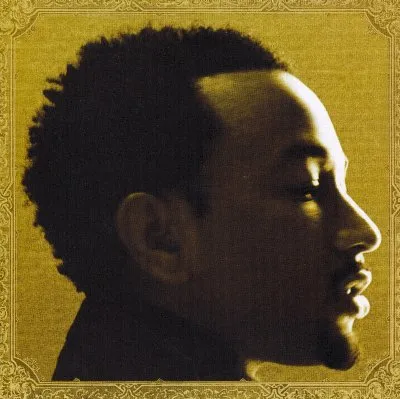
Get Lifted
2004
Its soul foundation offers a useful starting point before the track’s more electronic direction.
If this landed
Records by other artists that run on the same instinct.
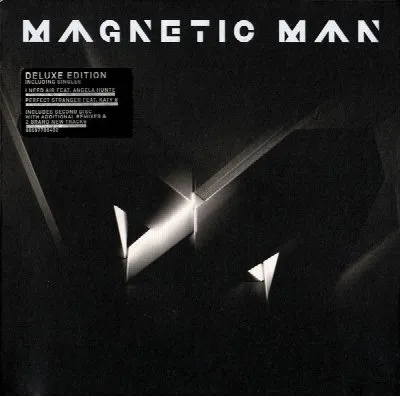
Magnetic Man
Magnetic Man
The track's original home, pairing UK dubstep's sub-bass and spacious production with soulful guest vocals.
James Blake
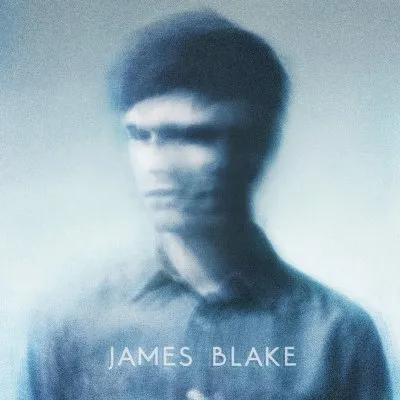
James Blake
Blends intimate, soulful singing with sparse UK bass production and weighty low end.
SBTRKT
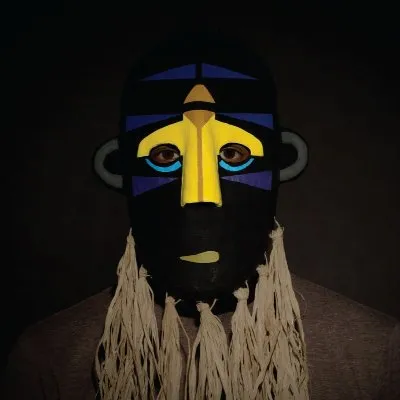
SBTRKT
Pairs UK bass rhythms and deep synths with expressive soul and R&B guest vocals.
Reference: Wikipedia · MusicBrainz · Wikidata
Sync your library
Everything you track here works immediately — no account needed. Create one when you want to sync across devices.