

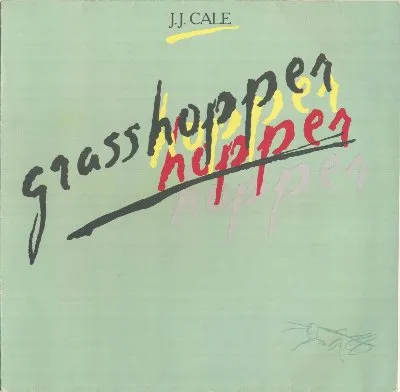
Top tracks — play these first
-
→
City Girls Start here — The opener sets a relaxed pace, letting a concise arrangement carry the song without pushing its easygoing delivery.
-
→
Downtown L.A. — A city setting gives Cale’s understated storytelling a particular place, while the brief arrangement keeps the scene moving.
-
→
Mississippi River — At just over two minutes, this is one of the album’s economical song sketches, rooted in the Southern imagery that runs through Cale’s writing.
-
→
Does Your Mama Like to Reggae — Its playful question and reggae inflection give the album a conspicuous change of pace without abandoning Cale’s unhurried approach.
Elevation
Our rating, out of 100 — and why.
AI-generated from five scored dimensions. An opinion, not a measurement.
Compact songs, economical guitar interplay, and an even pace make this a coherent, durable Cale record, though its restraint limits the compositional peaks.
What we noticed
- The original 12-track sequence keeps songs compact and settles into an unhurried pocket rather than building toward a large climax.
- The title track is instrumental, with the guitar carrying the melody instead of a vocal lead.
- The guitar answers the vocal lines in short, economical fills; the rhythm section stays restrained and leaves those spaces open.
- The two final catalogued tracks appear to be appended bonus material, so they are excluded from the original album's pacing judgment.
- Composition 25% of the score
-
7/10
- Craft 20% of the score
-
8/10
- Durability 25% of the score
-
7/10
- Distinctiveness 18% of the score
-
7/10
- Sequencing 12% of the score
-
8/10
the writing — melody, harmony, structure, lyrics
production, performance, arrangement
whether it rewards returning to it
whether it sounds like itself
running order, pacing, length
Known within its scene. Reported but not counted — how far a record travelled describes its reception rather than the record, and a newer release has had less time to travel than an older one.
Where this album fits
- In the catalog
- Deep Cut — A mid-career album that extends Cale's understated Tulsa sound without marking a major stylistic shift.
- Themes
- Downtown L.A. scenes· Mississippi River imagery· reggae courtship
- Career context
- Released in 1982, Grasshopper was J.J. Cale’s seventh studio album and the follow-up to 1981’s Shades. By then, his songs had reached a broad audience through other performers, notably Eric Clapton’s recordings of “After Midnight” and “Cocaine.”
- Stylistic neighbors
- Leonard Cohen· John Prine· Tom Waits
Moments worth listening for
Where the writing does something specific.
-
Does Your Mama Like to Reggae
A question about the addressee’s mother and her taste in Jamaican music returns as the refrain.
The recurring question makes a family interaction into a playful hook rather than a conventional declaration.
Tracklist
- 1 City Girls Start here 2:50
- 2 Devil in Disguise 2:02
- 3 One Step Ahead of the Blues 2:24
- 4 You Keep Me Hangin’ On 3:27
- 5 Downtown L.A. 2:26
- 6 Can’t Live Here 2:13
- 7 Grasshopper 1:38
- 8 Drifters Wife 1:41
- 9 Don’t Wait 3:11
- 10 A Thing Going On 2:39
- 11 Nobody but You 3:03
- 12 Mississippi River 2:05
- 13 Does Your Mama Like to Reggae 3:42
- 14 Dr. Jive 1:44
What to play next
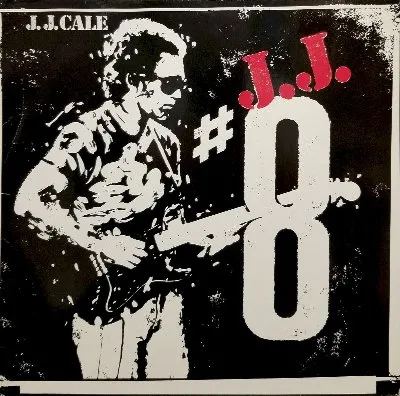
#8
1983
It carries Grasshopper’s relaxed, guitar-led sound forward while offering a fresh set of concise roots-rock grooves.
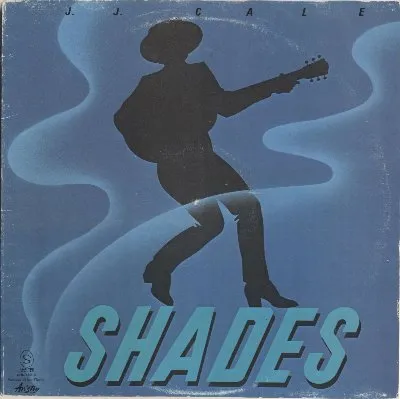
Shades
1981
Its similarly understated blend of blues, country, and laid-back grooves sets up Grasshopper naturally.
Reference: Wikipedia · MusicBrainz · Wikidata
Sync your library
Everything you track here works immediately — no account needed. Create one when you want to sync across devices.