

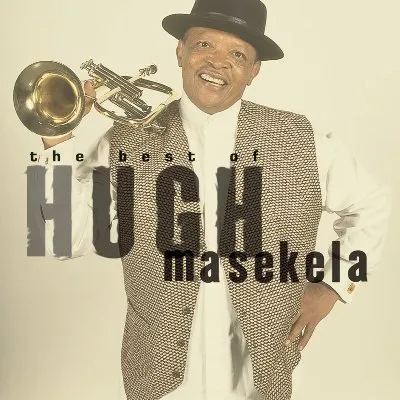
Grazing in the Grass: The Best of Hugh Masekela
Hugh Masekela · 2001
74 min · 14 tracks · jazz
A rich tapestry of horn-driven melodies and intricate rhythms, blending jazz with traditional South African musical elements.
Top tracks — play these first
-
→
Grazing In The Grass Start here — This track exemplifies Masekela's unique ability to blend infectious melodies with a lively rhythm, showcasing his signature trumpet style that captivates listeners.
-
→
Bring Him Back Home (Nelson Mandela) — As a powerful protest song calling for Nelson Mandela's release, this track encapsulates Masekela’s role in the anti-apartheid movement and resonates deeply with themes of freedom and justice.
-
→
Stimela (Coal Train) — A poignant narrative about the struggles of migrant laborers in South Africa, this song blends storytelling with evocative instrumentation, making it a highlight of Masekela's discography.
-
→
Mama — This track combines heartfelt lyrics with warm instrumentation, reflecting Masekela's deep appreciation for familial bonds and cultural roots, marking it as a personal favorite.
Elevation
Our rating, out of 100 — and why.
AI-generated from five scored dimensions. An opinion, not a measurement.
InstrumentalThe album combines strong instrumental performances with varied pacing but lacks a cohesive narrative across its length.
What we noticed
- Several tracks, such as 'Grazing In The Grass' and 'Stimela', showcase extended instrumental solos that highlight Masekela's trumpet skills.
- Composition 25% of the score
-
7/10
- Craft 20% of the score
-
8/10
- Durability 25% of the score
-
6/10
- Distinctiveness 18% of the score
-
7/10
- Sequencing 12% of the score
-
5/10
the writing — melody, harmony, structure, lyrics
production, performance, arrangement
whether it rewards returning to it
whether it sounds like itself
running order, pacing, length
Known within its scene. Reported but not counted — how far a record travelled describes its reception rather than the record, and a newer release has had less time to travel than an older one.
Is this for you?
Good fit if you like
- uplifting grooves for celebration
- afternoon gatherings with friends
- vibrant melodies that inspire movement
- reflective moments of cultural pride
Maybe skip if you
- prefer fast-paced, high-energy tracks
- want minimalistic soundscapes
Where this album fits
- In the catalog
- Starting Point — This compilation effectively introduces new listeners to Masekela's extensive work.
- Themes
- anti-apartheid struggle· Nelson Mandela's imprisonment· South African migrant labor· South African cultural roots
- Career context
- Released in 2001, this compilation showcases Hugh Masekela's extensive career, highlighting his evolution from a prominent anti-apartheid musician to an influential global jazz figure. It serves as a retrospective of his work, bringing together tracks from various phases of his artistic journey, including his early hits and later compositions that reflect his growth and versatility.
- Stylistic neighbors
- Abdullah Ibrahim· Manu Dibango· Miriam Makeba
Tracklist
- 1 Grazing In The Grass Start here 2:55
- 2 Vasco Da Gama (The Sailor Man) 4:23
- 3 Khauleza 5:17
- 4 Ziph' Inkomo 6:46
- 5 Mama 5:03
- 6 Chileshe 6:19
- 7 Market Place 5:55
- 8 Don’t Go Lose It Baby 6:52
- 9 Strawberries 4:56
- 10 Thanayi 5:25
- 11 African Secret Society 5:30
- 12 Ha Le Se Le Li Khanna 4:26
- 13 Bring Him Back Home (Nelson Mandela) 4:44
- 14 Stimela (Coal Train) 5:25
What to play next
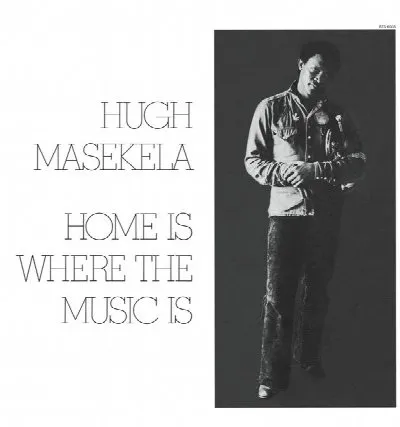
Home Is Where the Music Is
1972
Continues the blend of jazz and South African sounds with engaging rhythms.
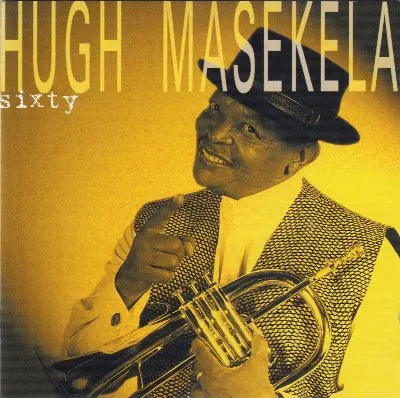
Sixty
2000
Sets the stage with a modern take on Masekela's signature style.
If this landed
Records by other artists that run on the same instinct.
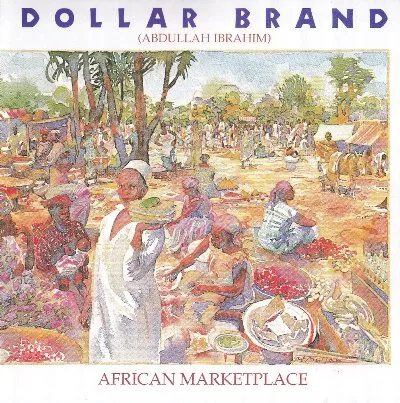
African Marketplace
Abdullah Ibrahim
South African jazz melodies meet township rhythms, with the same sense of cultural roots shaped by exile and struggle.
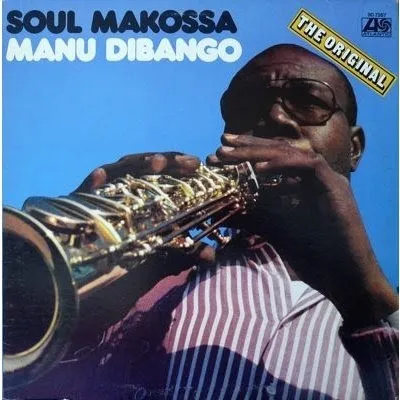
Soul Makossa
Manu Dibango
Horn-led jazz and funk ride interlocking African rhythms, echoing Masekela’s blend of dance pulse and jazz phrasing.
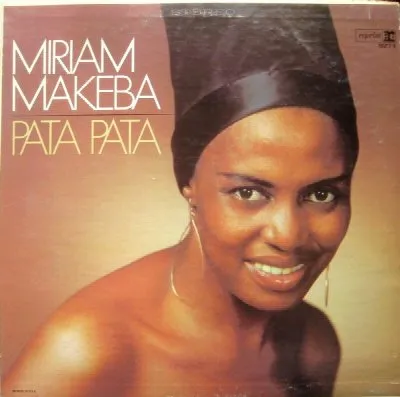
Pata Pata
Miriam Makeba
South African vocal traditions and buoyant rhythms share space with music shaped by exile and resistance.
Reference: Wikipedia · MusicBrainz · Wikidata
Sync your library
Everything you track here works immediately — no account needed. Create one when you want to sync across devices.