

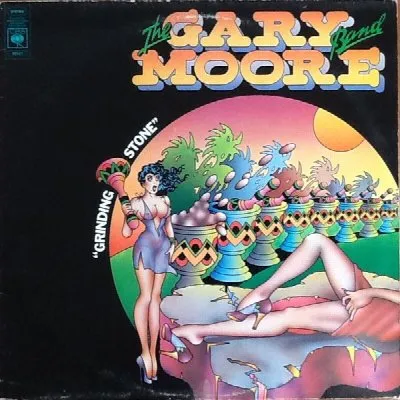
Grinding Stone
Gary Moore · 1973
48 min · 6 tracks · blues
Blues-rock muscle stretches into jazz-inflected improvisation and a side-long suite that refuses to sit still.
Top tracks — play these first
-
→
Grinding Stone Start here — The extended opener puts Moore’s lead playing at the center of a forceful jazz-rock workout, establishing the album’s appetite for improvisation.
-
→
Time to Heal — Its slower pace and vocal focus offer a contrast to the instrumental opener, letting the band settle into a more reflective blues-rock mood.
-
→
Spirit — At over 17 minutes, the suite gives the group room to move between contrasting passages rather than follow a compact song structure.
-
→
Boogie My Way Back Home — The closing track brings the album back toward a direct boogie pulse after the expansive detours of Spirit.
Elevation
Our rating, out of 100 — and why.
AI-generated from five scored dimensions. An opinion, not a measurement.
The album blends blues rock and jazz fusion with intricate guitar work, making it distinct yet cohesive.
What we noticed
- The album features extended instrumental sections, particularly in tracks like 'The Energy Dance', which showcases intricate guitar solos and improvisation.
- The opening track 'Grinding Stone' sets a slow tempo that is maintained for the first half of the album before transitioning to more upbeat rhythms in later tracks.
- Composition 25% of the score
-
7/10
- Craft 20% of the score
-
8/10
- Durability 25% of the score
-
6/10
- Distinctiveness 18% of the score
-
7/10
- Sequencing 12% of the score
-
5/10
the writing — melody, harmony, structure, lyrics
production, performance, arrangement
whether it rewards returning to it
whether it sounds like itself
running order, pacing, length
Significant within its genre. Reported but not counted — how far a record travelled describes its reception rather than the record, and a newer release has had less time to travel than an older one.
Is this for you?
Good fit if you like
- long, immersive listening sessions
- dynamic emotional journeys
- wave-like pacing and flow
- contemplative reflective moods
Where this album fits
- In the catalog
- Breakthrough — First solo album showcasing a shift in musical direction and personal expression.
- Themes
- extended electric-guitar solos· blues-jazz fusion· post-Skid Row independence
- Career context
- Released in 1973, Grinding Stone was Gary Moore’s first album as a bandleader, credited to the Gary Moore Band. It followed his early work with Skid Row and preceded the blues-oriented solo career for which he became widely known.
- Stylistic neighbors
- Rory Gallagher· Joe Bonamassa· Stevie Ray Vaughan
Moments worth listening for
Where the writing does something specific.
-
Time to Heal
A repeated appeal for time to mend returns as the song’s central refrain.
The recurrence gives the song a fixed point against which its slower blues-rock arrangement can unfold.
Tracklist
- 1 Grinding Stone Start here 9:41
- 2 Time to Heal 6:20
- 3 Sail Across the Mountain 6:57
- 4 The Energy Dance 2:28
- 5 Spirit 17:14
- 6 Boogie My Way Back Home 5:39
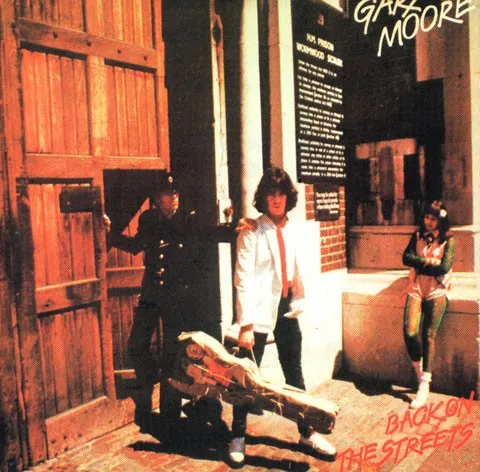

If this landed
Records by other artists that run on the same instinct.
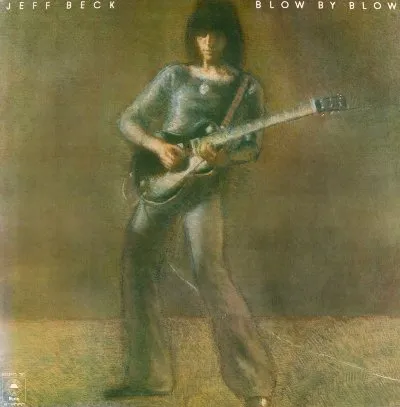
Blow by Blow
Jeff Beck
Instrumental jazz-rock built around expressive electric-guitar leads and long, fluid solo passages.
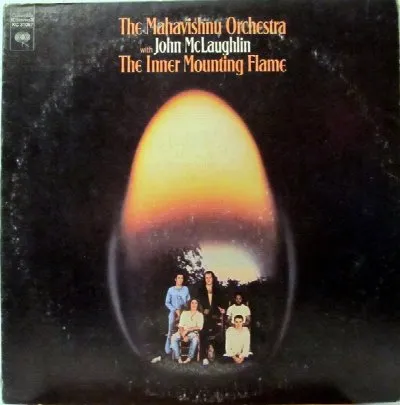
The Inner Mounting Flame
Mahavishnu Orchestra
Shares virtuosic electric guitar and expansive fusion, with blues phrasing pushed into volatile, intricate arrangements.
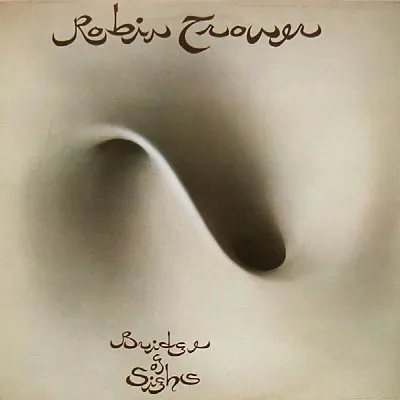
Bridge of Sighs
Robin Trower
Leans into the same early-'70s blues-rock guitar focus, pairing extended solos with spacious, atmospheric backing.
Reference: Wikipedia · MusicBrainz · Wikidata
Sync your library
Everything you track here works immediately — no account needed. Create one when you want to sync across devices.