

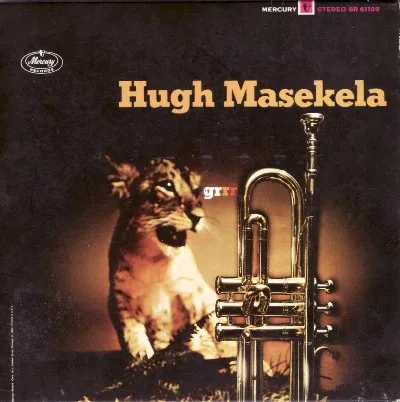
Released 60 years ago
Grrr
Hugh Masekela · 1966
32 min · 10 tracks · jazz
Masekela’s trumpet threads South African melodies through compact jazz arrangements with a sharp rhythmic spring.
Top tracks — play these first
-
→
U. Dwi Start here — begin at the album's intended in-order opening
-
→
Zulu and the Mexican — Its title points toward a meeting of musical geographies, fitting Masekela’s interest in connecting South African sounds with the wider jazz world.
-
→
Ntjilo-Ntjilo — This South African song brings a birdcall-derived melody into Masekela’s jazz setting, linking the record to a familiar vocal tradition.
-
→
Sharpville — The reference to the 1960 massacre gives this piece a political frame, bringing the violence of apartheid into an album made during Masekela’s exile.
-
→
'Kwa-Blaney — At just over two minutes, this concise piece shows how the album works in short forms rather than extended jazz excursions.
Elevation
Our rating, out of 100 — and why.
AI-generated from five scored dimensions. An opinion, not a measurement.
InstrumentalMasekela's blend of jazz and African elements creates a distinctive sound that stands out in both genres.
What we noticed
- The album features a consistent use of traditional African percussion instruments alongside jazz brass, creating a unique rhythmic interplay.
- Each track showcases extended improvisation sections, allowing Masekela's trumpet to explore melodic variations over complex rhythms.
- The first half of the album maintains an upbeat tempo, while the latter half introduces slower, more contemplative pieces.
- Composition 25% of the score
-
8/10
- Craft 20% of the score
-
7/10
- Durability 25% of the score
-
6/10
- Distinctiveness 18% of the score
-
8/10
- Sequencing 12% of the score
-
7/10
the writing — melody, harmony, structure, lyrics
production, performance, arrangement
whether it rewards returning to it
whether it sounds like itself
running order, pacing, length
Significant within its genre. Reported but not counted — how far a record travelled describes its reception rather than the record, and a newer release has had less time to travel than an older one.
Is this for you?
Good fit if you like
- steady mid-tempo groove
- celebratory rhythms for gatherings
- vibrant energy for dancing
- short tracks for quick enjoyment
Maybe skip if you
- seeking long, immersive pieces
- prefer slow, contemplative moods
Where this album fits
- In the catalog
- Breakthrough — This album marked Masekela's return to South Africa and significant recognition.
- Themes
- Sharpeville massacre· South African cultural resilience· Zulu-Mexican musical exchange
- Career context
- Released in 1966, Grrr belongs to Hugh Masekela’s years in the United States after he left apartheid-era South Africa. It came before his 1968 American pop breakthrough with “Grazing in the Grass,” while he was making jazz records rooted in the music he had grown up hearing.
- Stylistic neighbors
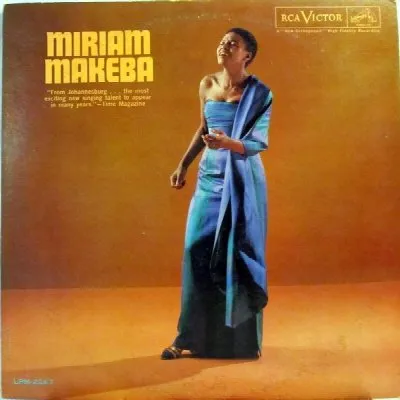
- Abdullah Ibrahim· Manu Dibango· Miriam Makeba
Moments worth listening for
Where the writing does something specific.
-
Ntjilo-Ntjilo
In the song’s traditional text, a repeated birdcall gives the refrain its shape.
The repetition turns an imitation of sound into a rhythmic device that can carry the melody across vocal and instrumental versions.
Tracklist
- 1 U. Dwi Start here 3:14
- 2 Zulu and the Mexican 3:22
- 3 Emavungweni 3:08
- 4 Ntjilo-Ntjilo 4:12
- 5 Sharpville 3:29
- 6 Umaningi Bona 3:17
- 7 Sipho 3:44
- 8 'Kwa-Blaney 2:12
- 9 Mra 3:08
- 10 Phatsha-Phatsha 2:54
What to play next
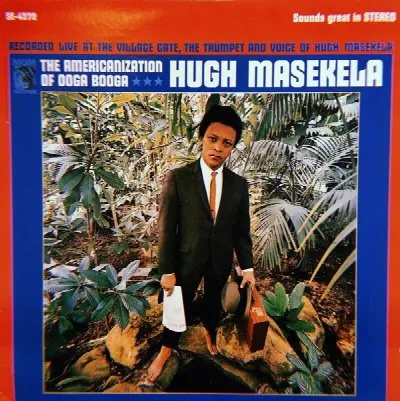
The Americanization of Ooga Booga
1966
Continues the vibrant fusion of jazz and African rhythms with fresh energy.
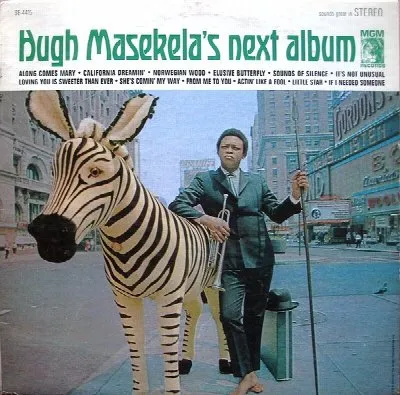
Hugh Masekela's Next Album
1966
Sets the stage for Masekela's signature sound and style leading into 'Grrr'.
If this landed
Records by other artists that run on the same instinct.
Reference: Wikipedia · MusicBrainz · Wikidata
Sync your library
Everything you track here works immediately — no account needed. Create one when you want to sync across devices.