

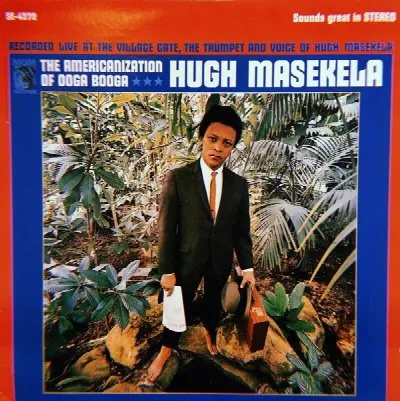
Released 60 years ago
The Americanization of Ooga Booga
Hugh Masekela · 1966
44 min · 8 tracks · jazz
Masekela’s bright horn threads dance rhythms through open-ended jazz arrangements that make room for both celebration and reflection.
Top tracks — play these first
-
→
Bajabula Bonke (Healing Song) Start here — The opening track gives a healing song room to unfold over more than seven minutes, establishing the album’s interest in communal musical traditions within a jazz setting.
-
→
Cantelope Island — Masekela’s take on Herbie Hancock’s jazz composition puts a recognizable modern-jazz piece alongside the record’s South African material.
-
→
U-Dwi (Song for My Mother) — This dedication brings a personal focus to an album otherwise moving between social song, dance and jazz repertoire.
-
→
Masquenada — The Jorge Ben composition introduces a Brazilian reference point, widening the album’s conversation beyond South African and American jazz traditions.
Elevation
Our rating, out of 100 — and why.
AI-generated from five scored dimensions. An opinion, not a measurement.
InstrumentalThe album blends vibrant jazz with South African elements, showcasing strong instrumentation and engaging rhythms.
What we noticed
- The album features a consistent use of brass instruments, with trumpets and trombones leading melodic lines throughout.
- Each track maintains a lively tempo, with rhythmic variations that reflect both jazz and traditional South African influences.
- Several tracks incorporate call-and-response patterns, engaging the listener in a dynamic exchange between instruments.
- Composition 25% of the score
-
7/10
- Craft 20% of the score
-
8/10
- Durability 25% of the score
-
6/10
- Distinctiveness 18% of the score
-
8/10
- Sequencing 12% of the score
-
7/10
the writing — melody, harmony, structure, lyrics
production, performance, arrangement
whether it rewards returning to it
whether it sounds like itself
running order, pacing, length
Known within its scene. Reported but not counted — how far a record travelled describes its reception rather than the record, and a newer release has had less time to travel than an older one.
Is this for you?
Good fit if you like
- steady rhythmic exploration
- celebratory energy for gatherings
- vibrant engagement with culture
- reflective moments of joy
Maybe skip if you
- prefer fast-paced listening
- seek standalone tracks only
Where this album fits
- In the catalog
- Breakthrough — This album helped establish Masekela's reputation and broadened his recognition.
- Themes
- Cape Jazz traditions· South African-American musical fusion· mother's trumpet tribute
- Career context
- Released in 1966, the album belongs to Hugh Masekela’s years in the United States after leaving apartheid-era South Africa. It preceded his 1968 US chart breakthrough with “Grazing in the Grass” and followed earlier albums including The Americanization of Ooga Booga’s 1965 predecessor, Grrr.
- Stylistic neighbors
- Abdullah Ibrahim· Manu Dibango· Miriam Makeba
Tracklist
- 1 Bajabula Bonke (Healing Song) Start here 7:12
- 2 Dzinorabiro (The Good Old Days) 5:57
- 3 Unhlanhla (Lucky Boy) 5:01
- 4 Cantelope Island 5:04
- 5 U-Dwi (Song for My Mother) 5:10
- 6 Masquenada 6:18
- 7 Abangoma (Song of Praise) 3:35
- 8 Myxolydia 6:14
What to play next

Hugh Masekela Is Alive and Well at the Whisky
1967
Continues the vibrant energy with live performances showcasing his dynamic style.
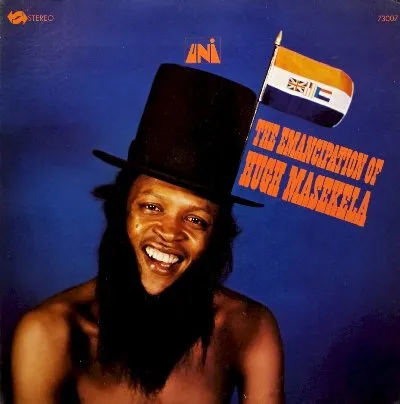
The Emancipation of Hugh Masekela
1966
Leads into a similar celebration of identity and cultural fusion in music.
If this landed
Records by other artists that run on the same instinct.
Reference: Wikipedia · MusicBrainz · Wikidata
Sync your library
Everything you track here works immediately — no account needed. Create one when you want to sync across devices.