


Released 60 years ago
Have You Seen Your Mother, Baby, Standing in the Shadow?
The Rolling Stones · 1966
4 tracks · blues
Brass blasts and distorted guitars crowd around a snarling vocal as the Stones push their rhythm and blues toward psychedelic chaos.
Top tracks — play these first
-
→
Have You Seen Your Mother, Baby, Standing in the Shadow? — An overdriven brass arrangement nearly engulfs Jagger’s vocal, giving the single a frantic density unlike the leaner Stones hits that preceded it.
-
→
Who’s Driving Your Plane — The single’s B-side turns an aviation metaphor into a barbed put-down, with the band’s blues-rooted attack cutting through the verbal jabs.
-
→
It’s Not Easy — This Aftermath track sets an impatient vocal against a driving beat, showing how the Stones could make frustration sound brisk and tightly controlled.
Elevation
Our rating, out of 100 — and why.
AI-generated from five scored dimensions. An opinion, not a measurement.
The forceful, brass-and-fuzz title track gives the set a distinct center, but the other three tracks make for a looser, less unified short collection.
What we noticed
- The title track pairs a distorted guitar sound with sharp brass accents, then the three following songs move into looser, blues-based rock.
- The opener is the most tightly arranged track; the remaining songs stretch out more around riffs and instrumental breaks.
- At four tracks, the sequence ends without a reprise or a strong closing turn, so it plays more like a short collection than a developed arc.
- Composition 25% of the score
-
6/10
- Craft 20% of the score
-
7/10
- Durability 25% of the score
-
6/10
- Distinctiveness 18% of the score
-
6/10
- Sequencing 12% of the score
-
5/10
the writing — melody, harmony, structure, lyrics
production, performance, arrangement
whether it rewards returning to it
whether it sounds like itself
running order, pacing, length
Known within its scene. Reported but not counted — how far a record travelled describes its reception rather than the record, and a newer release has had less time to travel than an older one.
Where this album fits
- In the catalog
- Deep Cut — A mid-1960s EP capturing a distinct single-era release, rather than a defining album or entry point.
- Themes
- 1960s housewife tranquilizers· black-draped mourning· period-costume courtship
- Career context
- The title track arrived in September 1966, months after Aftermath, the Rolling Stones’ first album composed entirely by Mick Jagger and Keith Richards. The four-track release also draws on that album through “What to Do” and “It’s Not Easy,” while pairing the single with its B-side, “Who’s Driving Your Plane.”
- Stylistic neighbors
- The Who· Led Zeppelin· The Doors
Tracklist
Best experienced from track one — press play and let it unfold.
- 1 Have You Seen Your Mother, Baby, Standing in the Shadow?
- 2 What to Do
- 3 Who’s Driving Your Plane
- 4 It’s Not Easy
What to play next
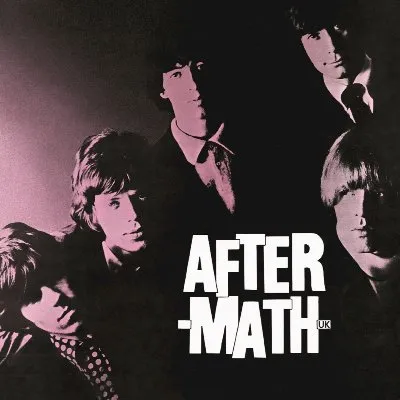
Aftermath
1966
It develops the sharp 1966 pop-rock sound into longer songs and more varied arrangements.
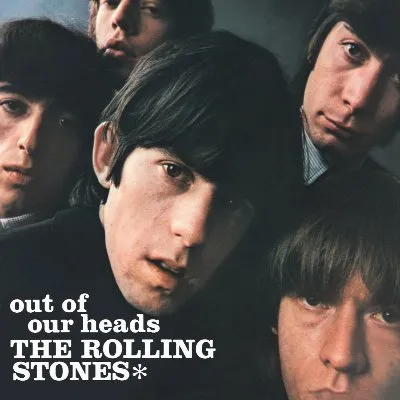
Out of Our Heads
1965
Its bluesy covers and punchy originals set up the heavier, more experimental 1966 sound.
If this landed
Records by other artists that run on the same instinct.
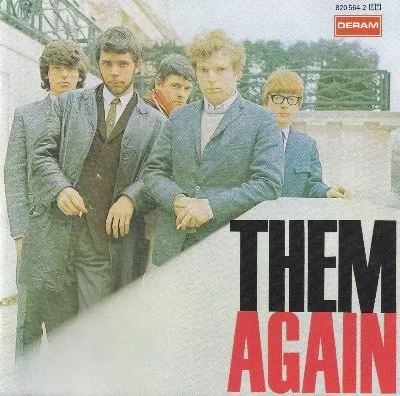
Them Again
Them
Shares the mid-'60s British R&B mix of Chicago-blues roots, hard backbeats, and dark vocal swagger.

Animalism
The Animals
Pairs blues-derived riffs and gritty vocals with punchy arrangements and a similar mid-'60s rock sound.

Roger the Engineer
The Yardbirds
Blends blues-based guitar, fuzzier studio textures, and sharp rhythmic shifts in a similarly raw 1966 setting.
Reference: Wikipedia · MusicBrainz · Wikidata
Sync your library
Everything you track here works immediately — no account needed. Create one when you want to sync across devices.