

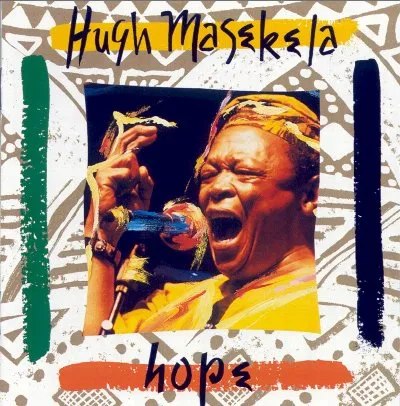
Hope
74 min · 12 tracks · jazz
A rich tapestry of jazz and African musical elements that intertwine with socially conscious themes and political narratives.
Top tracks — play these first
-
→
Abangoma (The Healers) Start here — album opener establishes the sonic palette early
-
→
Mandela (Bring Him Back Home!) — This song serves as a rallying cry for freedom, encapsulating the spirit of resistance against oppression and longing for Nelson Mandela's release.
-
→
Uptownship — A lively track that blends infectious rhythms with an urban narrative, showcasing Masekela's ability to capture contemporary South African life.
-
→
Stimela (The Coal Train) — This lengthy piece addresses the struggles of migrant workers with poignant storytelling, highlighting Masekela's skill in merging music with social commentary.
-
→
Grazin’ In the Grass — A joyful instrumental that emphasizes Masekela's signature trumpet style, demonstrating his versatility and appeal across diverse audiences.
Elevation
Our rating, out of 100 — and why.
AI-generated from five scored dimensions. An opinion, not a measurement.
InstrumentalThe album blends jazz with African influences, showcasing strong brass arrangements and rhythmic diversity.
What we noticed
- The album features a consistent use of brass instruments, with trumpets and trombones frequently leading the melodies.
- Several tracks incorporate traditional African rhythms and instrumentation, creating a distinct cultural sound.
- The running time is divided into shorter tracks, with most pieces averaging around three to four minutes, allowing for quick transitions between different musical ideas.
- Composition 25% of the score
-
7/10
- Craft 20% of the score
-
8/10
- Durability 25% of the score
-
6/10
- Distinctiveness 18% of the score
-
7/10
- Sequencing 12% of the score
-
5/10
the writing — melody, harmony, structure, lyrics
production, performance, arrangement
whether it rewards returning to it
whether it sounds like itself
running order, pacing, length
Known within its scene. Reported but not counted — how far a record travelled describes its reception rather than the record, and a newer release has had less time to travel than an older one.
Is this for you?
Good fit if you like
- uplifting rhythms for celebration
- patient melodies that unfold slowly
- evocative storytelling through sound
- warm grooves for social gatherings
- reflective moments of joyful nostalgia
Maybe skip if you
- prefer quick, punchy tracks
- want high-energy constant tempo
Where this album fits
- In the catalog
- Breakthrough — Marked Masekela's return to South Africa and gained attention for its political themes.
- Themes
- anti-apartheid resistance· South African exile and return· coal-train migrant labor· township street life
- Career context
- Released in 1994, 'Hope' marked Hugh Masekela's return to South Africa after years of exile due to apartheid. This album came at a pivotal moment when the country was transitioning to democracy, reflecting both personal and national liberation in its sound and message.
- Stylistic neighbors
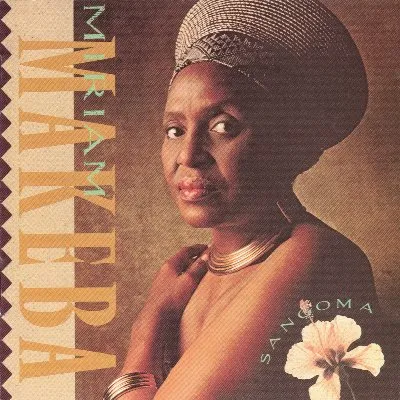
- Abdullah Ibrahim· Manu Dibango· Miriam Makeba
Tracklist
- 1 Abangoma (The Healers) Start here 5:02
- 2 Uptownship 4:53
- 3 Mandela (Bring Him Back Home!) 5:12
- 4 Grazin’ In the Grass 3:30
- 5 Lady 7:02
- 6 Until When 4:11
- 7 Languta 8:07
- 8 Nomali 8:58
- 9 Marketplace 5:31
- 10 Ntyilo Ntyilo (The Love Bird) 5:57
- 11 Ha Le Se (The Dowry Song) 5:41
- 12 Stimela (The Coal Train) 10:02
What to play next
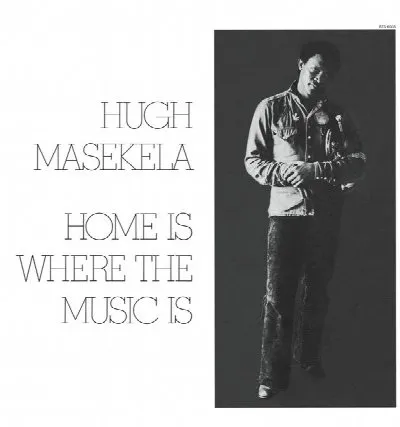
Home Is Where the Music Is
1972
Continues the blend of jazz with African influences and social themes.
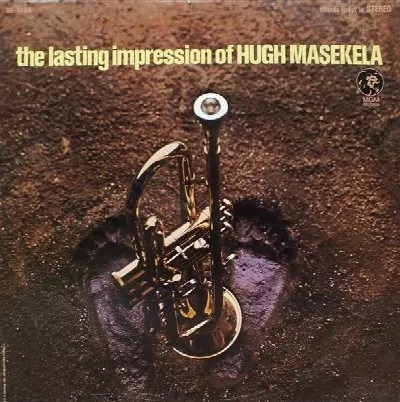
The Lasting Impression of Hugh Masekela
If this landed
Records by other artists that run on the same instinct.
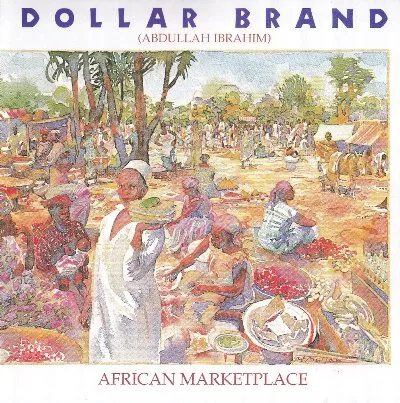
Reference: Wikipedia · MusicBrainz · Wikidata
Sync your library
Everything you track here works immediately — no account needed. Create one when you want to sync across devices.