

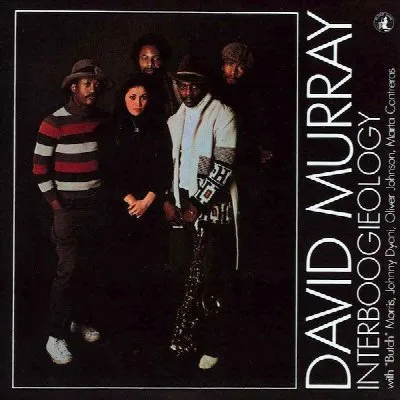
Interboogieology
David Murray · 1978
38 min · 4 tracks · jazz
Tenor saxophone pushes blues feeling into open-ended improvisation with a raw, searching edge.
Top tracks — play these first
-
→
Namthini’s Shadow — The opening piece gives Murray room to develop his tenor sound over an extended improvisation, introducing the album’s exploratory scale.
-
→
Home (Duet) — The duet format shifts attention toward the exchange between two players, offering a more exposed contrast to the ensemble pieces.
-
→
Blues for David — Its blues frame provides a point of orientation for Murray’s adventurous improvising and connects his free-jazz language to an older tradition.
-
→
Interboogieology — The title track brings the album’s interest in rhythmic movement and open improvisation into focus across more than nine minutes.
Elevation
Our rating, out of 100 — and why.
AI-generated from five scored dimensions. An opinion, not a measurement.
InstrumentalThe album's vibrant improvisation and rhythmic complexity highlight its innovative approach within jazz.
What we noticed
- The album features extended improvisational sections, with each track allowing musicians to explore themes over complex rhythmic patterns.
- The first track opens with a strong, syncopated rhythm that sets a lively pace, while the subsequent tracks vary in tempo and mood.
- Each piece showcases different instrumental textures, with woodwinds and brass interplaying against a backdrop of percussion.
- Composition 25% of the score
-
7/10
- Craft 20% of the score
-
8/10
- Durability 25% of the score
-
6/10
- Distinctiveness 18% of the score
-
7/10
- Sequencing 12% of the score
-
5/10
the writing — melody, harmony, structure, lyrics
production, performance, arrangement
whether it rewards returning to it
whether it sounds like itself
running order, pacing, length
Significant within its genre. Reported but not counted — how far a record travelled describes its reception rather than the record, and a newer release has had less time to travel than an older one.
Where this album fits
- In the catalog
- Breakthrough — This album helped establish Murray's reputation in avant-garde jazz.
- Themes
- African-rooted rhythms· saxophone-piano dialogue· cross-cultural jazz improvisation
- Career context
- Interboogieology arrived in 1978, two years after David Murray’s debut album, Flowers for Albert. It belongs to his early period in New York’s loft-jazz scene, when he was also establishing the World Saxophone Quartet.
- Stylistic neighbors
- Henry Threadgill· Ornette Coleman· Charles Lloyd
Tracklist
Best experienced from track one — press play and let it unfold.
- 1 Namthini’s Shadow 8:18
- 2 Home (Duet) 11:15
- 3 Blues for David 9:45
- 4 Interboogieology 9:14
What to play next

Sweet Lovely
1980
Continues the vibrant jazz exploration with a fresh perspective and energy.
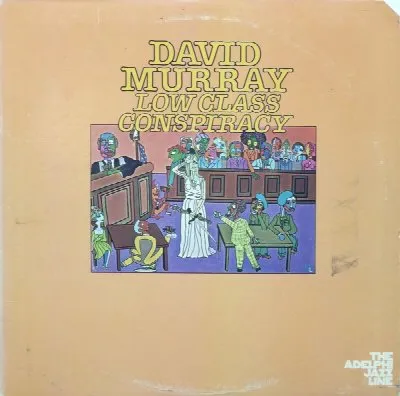
Low Class Conspiracy
1976
Sets the stage with similar rhythmic complexity and improvisational spirit.
If this landed
Records by other artists that run on the same instinct.
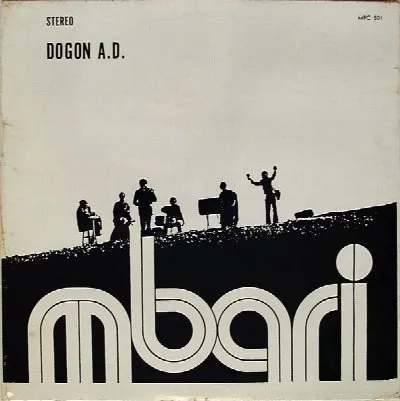
Dogon A.D.
Julius Hemphill
Blues-inflected saxophone improvisation meets African-rooted percussion in an open, exploratory loft-jazz setting.
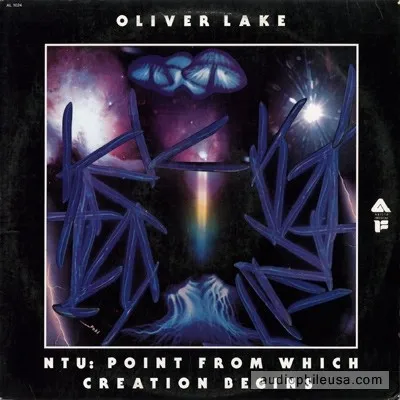
NTU: Point From Which Creation Begins
Oliver Lake
Shares the loft-jazz era's raw saxophone explorations and a rhythmic vocabulary drawing on African traditions.
Reference: Wikipedia · MusicBrainz · Wikidata
Sync your library
Everything you track here works immediately — no account needed. Create one when you want to sync across devices.