

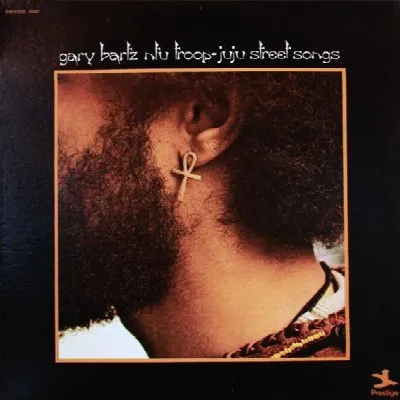
Juju Street Songs
Gary Bartz · 1972
41 min · 5 tracks · jazz
A vibrant fusion of jazz and funk that intertwines intricate melodies with socially conscious themes.
Top tracks — play these first
-
→
I Wanna Be Where You Are — This track exemplifies the album's seamless blend of jazz sophistication and soulful expression, featuring captivating improvisation and emotional depth.
-
→
Black Maybe — With its introspective lyrics and haunting melody, this track serves as a poignant reflection on identity and social issues during the civil rights era.
-
→
Africans Unite — This song stands out for its powerful call for unity and solidarity among African peoples, showcasing Bartz's commitment to cultural pride and political engagement.
Elevation
Our rating, out of 100 — and why.
AI-generated from five scored dimensions. An opinion, not a measurement.
The album effectively merges jazz and funk while addressing socio-political themes, making it a notable entry in its genre.
What we noticed
- The album opens with a cover of 'I Wanna Be Where You Are', setting a groove that blends jazz instrumentation with funk rhythms.
- Each track features extended improvisational sections, allowing the musicians to explore themes and motifs in depth.
- Composition 25% of the score
-
7/10
- Craft 20% of the score
-
8/10
- Durability 25% of the score
-
6/10
- Distinctiveness 18% of the score
-
7/10
- Sequencing 12% of the score
-
5/10
the writing — melody, harmony, structure, lyrics
production, performance, arrangement
whether it rewards returning to it
whether it sounds like itself
running order, pacing, length
Significant within its genre. Reported but not counted — how far a record travelled describes its reception rather than the record, and a newer release has had less time to travel than an older one.
Is this for you?
Good fit if you like
- socially conscious lyrical depth
- vibrant grooves for dancing
- introspective moments of reflection
- engaging rhythms for gatherings
Maybe skip if you
- prefer short standalone tracks
- seek instant gratification
Where this album fits
- In the catalog
- Experimental — An early turn toward politically engaged jazz-funk, expanding beyond the post-bop sounds of his earlier albums.
- Career context
- By 1972, Gary Bartz had established himself as a prominent figure in the jazz scene, having previously collaborated with artists like McCoy Tyner and Art Blakey. Juju Street Songs marked his transition towards a more politically charged sound, following his acclaimed album Another Earth released in 1970. This album showcases his artistic maturity and commitment to exploring cultural themes through music.
- Stylistic neighbors
- McCoy Tyner· Pharoah Sanders· Wayne Shorter
Moments worth listening for
Where the writing does something specific.
-
Black Maybe
The lyrics shift from personal reflection to broader societal critique, emphasizing the struggles faced by the Black community.
This transition highlights Bartz's ability to weave personal narrative with collective experience, deepening the emotional impact of the message.
Tracklist
Best experienced from track one — press play and let it unfold.
- 1 I Wanna Be Where You Are 10:04
- 2 Black Maybe 9:38
- 3 Bertha Baptist 6:32
- 4 Africans Unite 6:30
- 5 Teheran 8:20

Reference: Wikipedia · MusicBrainz · Wikidata
Sync your library
Everything you track here works immediately — no account needed. Create one when you want to sync across devices.