

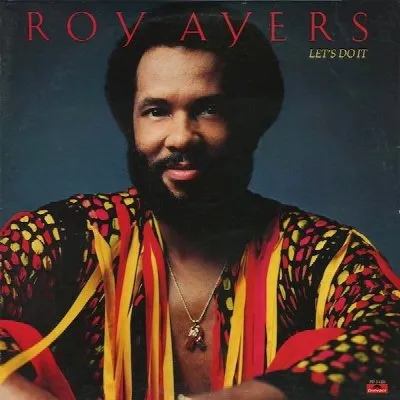
Top tracks — play these first
-
→
Let's Do It Start here — The opening track sets the album’s dance-oriented course, pairing an inviting vocal refrain with the relaxed rhythmic feel associated with Ayers’ jazz-funk.
-
→
When Is Real Real? — At over eight minutes, this is the album’s longest track, giving its groove room to unfold beyond the tighter dimensions of the surrounding songs.
-
→
Sweet Tears — A return to an earlier Ayers song connects the album to his Ubiquity years while putting the composition in a later setting.
-
→
Freaky Deaky — Its dance-floor emphasis brings out the playful side of the record and complements the more expansive pace of “When Is Real Real?”
Elevation
Our rating, out of 100 — and why.
AI-generated from five scored dimensions. An opinion, not a measurement.
InstrumentalAyers' album blends strong instrumental performances with improvisational elements, creating a unique jazz experience.
What we noticed
- The album features a consistent use of vibraphone as the lead instrument, creating a distinct sound throughout.
- Each track typically follows a loose structure, allowing for extended improvisation sections that showcase the musicians' skills.
- The tempo varies across tracks, with some maintaining a laid-back groove while others introduce more energetic rhythms.
- Composition 25% of the score
-
7/10
- Craft 20% of the score
-
8/10
- Durability 25% of the score
-
6/10
- Distinctiveness 18% of the score
-
7/10
- Sequencing 12% of the score
-
5/10
the writing — melody, harmony, structure, lyrics
production, performance, arrangement
whether it rewards returning to it
whether it sounds like itself
running order, pacing, length
Significant within its genre. Reported but not counted — how far a record travelled describes its reception rather than the record, and a newer release has had less time to travel than an older one.
Is this for you?
Good fit if you like
- playful grooves for social gatherings
- catchy melodies that invite dancing
- soulful vibes for reflective moments
- short bursts of joyful energy
Maybe skip if you
- prefer lengthy, immersive albums
- want heavy, intense atmospheres
Where this album fits
- In the catalog
- Fan Favorite — This album is well-regarded among dedicated fans, showcasing Ayers' signature sound.
- Themes
- danceable grooves· 1970s jazz-funk evolution· playful romanticism
- Career context
- Released in 1978, Let's Do It arrived after Roy Ayers Ubiquity’s Everybody Loves the Sunshine (1976), as Ayers continued bringing jazz textures into soul and dance music. Its mix of vocal songs and extended grooves sits within his prolific late-1970s period on Polydor.
- Stylistic neighbors
- Lonnie Liston Smith· Bobbi Humphrey· Donald Byrd
Moments worth listening for
Where the writing does something specific.
-
Let's Do It
The refrain repeatedly returns to an invitation to act together.
The repetition turns a direct address into a rhythmic device that helps organize the song’s dance-floor momentum.
Tracklist
- 1 Let's Do It Start here 5:33
- 2 Melody Maker 4:59
- 3 When Is Real Real? 8:04
- 4 Sweet Tears 6:27
- 5 You Came Into My Life 4:06
- 6 Freaky Deaky 5:30
- 7 Kiss 4:22
What to play next
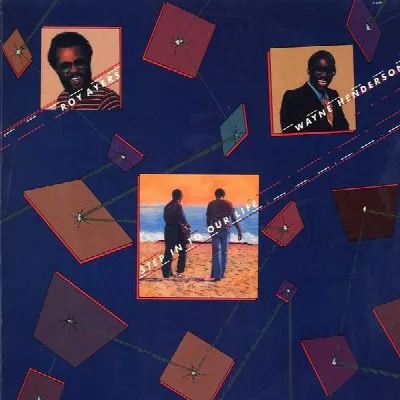
Step in to Our Life
1978
Continues the vibrant energy and themes from 'Let's Do It' with a fresh perspective.
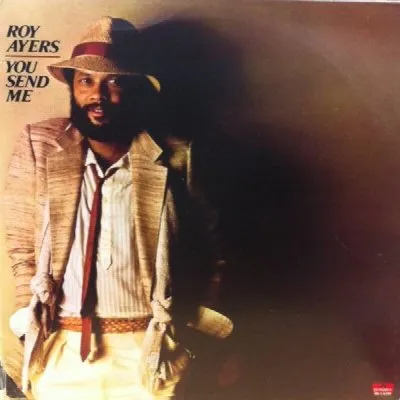
You Send Me
1978
Sets the stage with similar grooves and style leading into 'Let's Do It'.
If this landed
Records by other artists that run on the same instinct.

Head Hunters
Herbie Hancock
Shares vibrant jazz-funk grooves and a playful exploration of rhythm and melody.
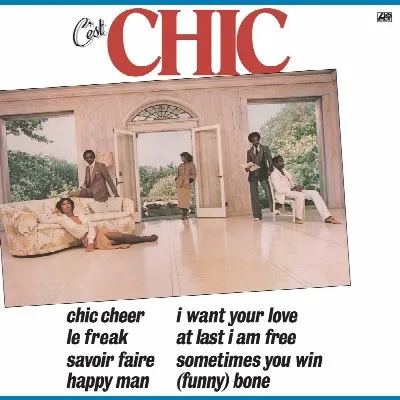
C'est Chic
Chic
Combines danceable grooves with soulful melodies, embodying the same playful romanticism.
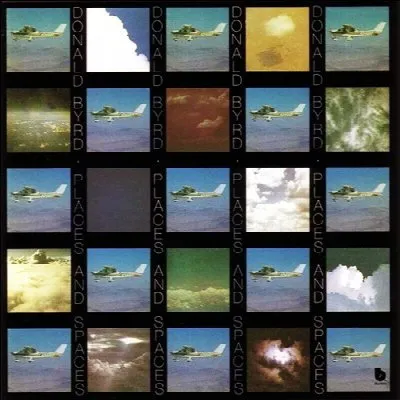
Places and Spaces
Donald Byrd
Explores similar themes of jazz-funk evolution with rich, soulful textures and inviting rhythms.
Reference: Wikipedia · MusicBrainz · Wikidata
Sync your library
Everything you track here works immediately — no account needed. Create one when you want to sync across devices.