

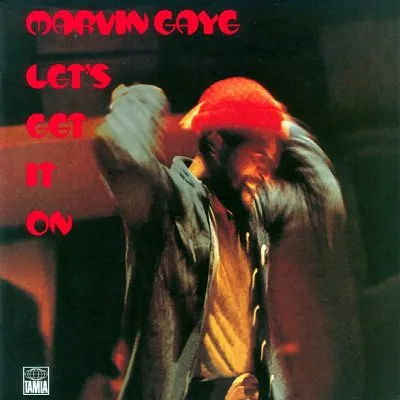
Let's Get It On
Marvin Gaye · 1973
30 min · 8 tracks · funk
Marvin Gaye layers intimate falsetto over supple grooves that make desire sound both devotional and unsettled.
Top tracks — play these first
-
→
Let’s Get It On Start here — A wah-wah guitar figure opens into a patient groove, while Gaye’s shifting vocal layers make the invitation sound persuasive rather than hurried.
-
→
If I Should Die Tonight — Gaye pares the mood back to a tender ballad, using his falsetto to give an extravagant declaration of love an almost prayerful quality.
-
→
Distant Lover — Its slow-burning arrangement gives Gaye room to move from restrained longing into anguished cries, showing the loneliness beneath the album’s sensual surface.
-
→
Just to Keep You Satisfied — The closing track turns from seduction to the aftermath of a failed relationship, with layered vocals and a subdued arrangement making the farewell feel painfully intimate.
Elevation
Our rating, out of 100 — and why.
AI-generated from five scored dimensions. An opinion, not a measurement.
The album showcases strong songwriting and production, creating a lasting influence on soul music.
What we noticed
- The album opens with the title track, which features a slow build-up of instrumentation that gradually layers in lush strings and horns.
- Each song typically follows a verse-chorus structure, but several tracks incorporate extended instrumental sections that emphasize groove over lyrical content.
- The tempo varies slightly across the tracks, but the overall feel remains smooth and laid-back, creating a consistent mood throughout.
- Vocals are often layered with harmonies, particularly in the choruses, enhancing the emotional delivery of the lyrics.
- Composition 25% of the score
-
8/10
- Craft 20% of the score
-
9/10
- Durability 25% of the score
-
8/10
- Distinctiveness 18% of the score
-
8/10
- Sequencing 12% of the score
-
7/10
the writing — melody, harmony, structure, lyrics
production, performance, arrangement
whether it rewards returning to it
whether it sounds like itself
running order, pacing, length
Defined its genre or moment. Reported but not counted — how far a record travelled describes its reception rather than the record, and a newer release has had less time to travel than an older one.
Is this for you?
Good fit if you like
- steady romantic listening sessions
- intimate late-night vibes
- sensual mood enhancement
- consistent emotional journey
Where this album fits
- In the catalog
- Breakthrough — This album solidified Gaye's status as a leading figure in soul music.
- Themes
- 1970s bedroom soul· whispered sexual intimacy· telephone-line longing
- Career context
- Released in 1973, Let’s Get It On followed Marvin Gaye’s socially conscious landmark What’s Going On and the soundtrack Trouble Man. Working with producer and co-writer Ed Townsend, Gaye turned toward the tangled pleasures and anxieties of romantic intimacy.
- Stylistic neighbors
- Stevie Wonder· Curtis Mayfield· Smokey Robinson
Moments worth listening for
Where the writing does something specific.
-
Distant Lover
The opening repeatedly addresses a faraway lover before the verses recall a happier time together.
That movement from direct address into memory gives the plea a concrete past rather than leaving the separation abstract.
Tracklist
- 1 Let’s Get It On Start here 4:52
- 2 Please Stay (Once You Go Away) 3:28
- 3 If I Should Die Tonight 3:03
- 4 Keep Gettin’ It On 3:08
- 5 Come Get to This 2:41
- 6 Distant Lover 4:17
- 7 You Sure Love to Ball 4:43
- 8 Just to Keep You Satisfied 4:26
What to play next
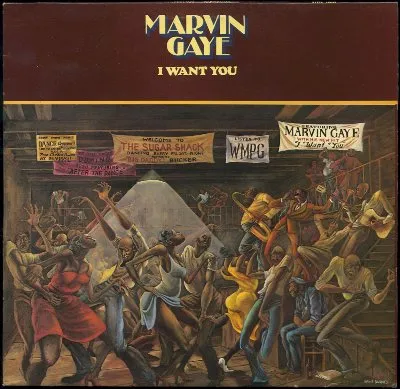
I Want You
1976
Continues the exploration of love with lush arrangements and deep emotion.
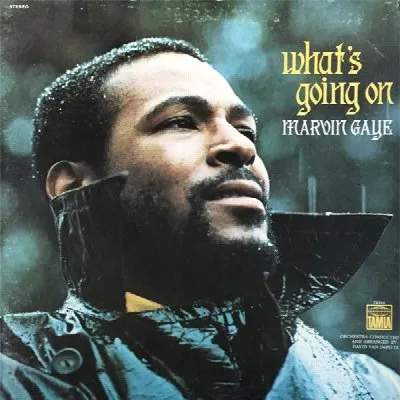
What's Going On
1971
Sets a thematic foundation with social consciousness and soulful melodies.
If this landed
Records by other artists that run on the same instinct.
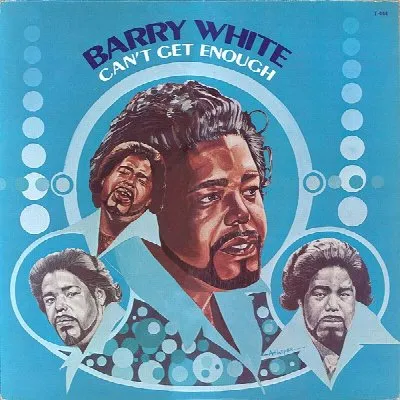
Can't Get Enough
Barry White
Pairs unhurried orchestral soul grooves with deep, intimate vocals and lyrics centered on sensual devotion.
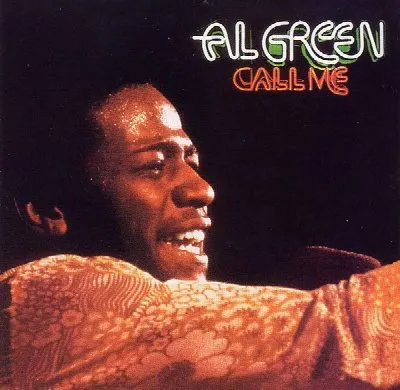
Call Me
Al Green
Shares the close-miked tenderness, supple rhythm section, and sensual blend of romantic longing and devotion.
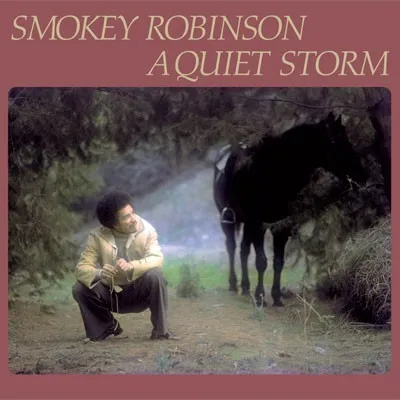
A Quiet Storm
Smokey Robinson
Its soft-focus arrangements and hushed love songs share the album's late-night, intimate mood.
Reference: Wikipedia · MusicBrainz · Wikidata
Sync your library
Everything you track here works immediately — no account needed. Create one when you want to sync across devices.